
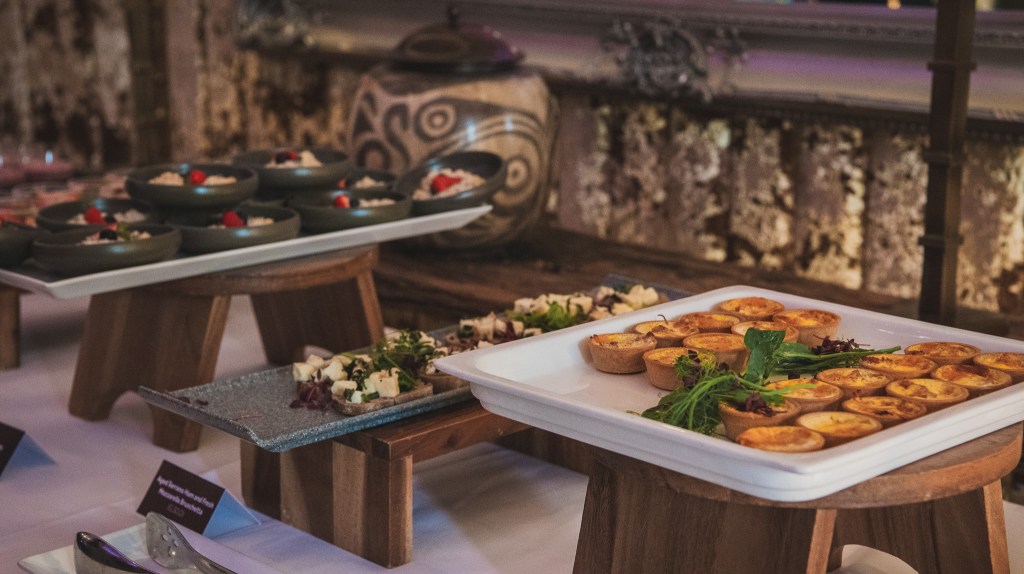
In the evolving world of photography, niches have become essential. Specializing can help photographers carve out their place in a saturated market. However, the notion that photographers should strictly segregate their portfolios into different social media accounts and websites for food and event photography is becoming outdated. This blog will argue why combining food and event photography makes sense and can be an enriching and beneficial strategy for photographers. We will explore techniques for capturing stunning images in both genres and discuss how these skills complement each other. Additionally, we’ll delve into the potential of social media platforms and how they can help photographers expand their reach and clientele.
Understanding Event Photography
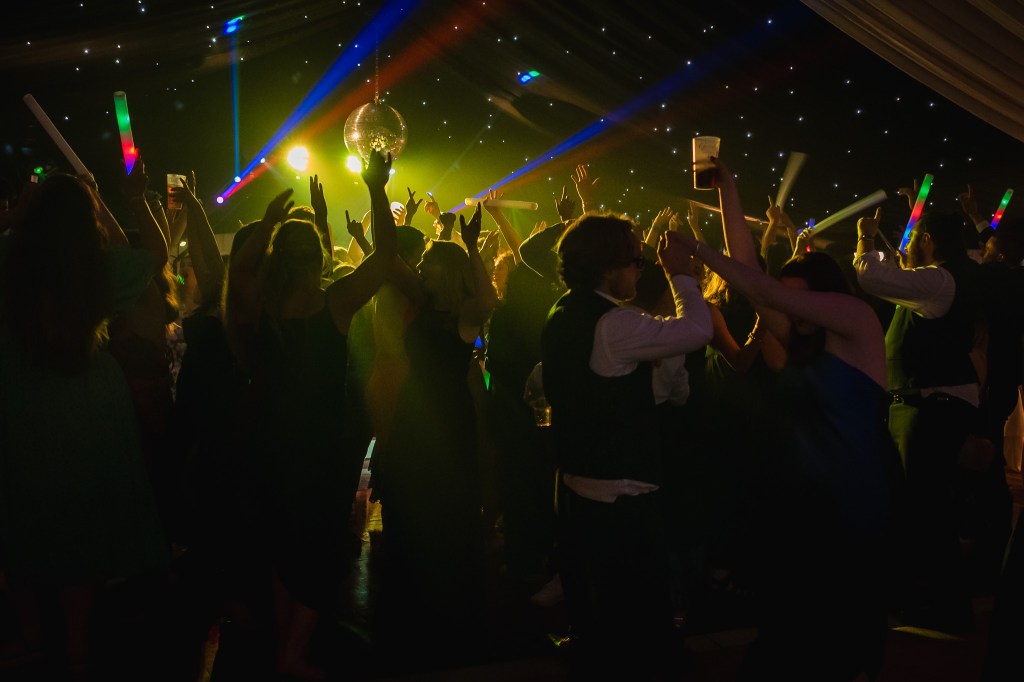
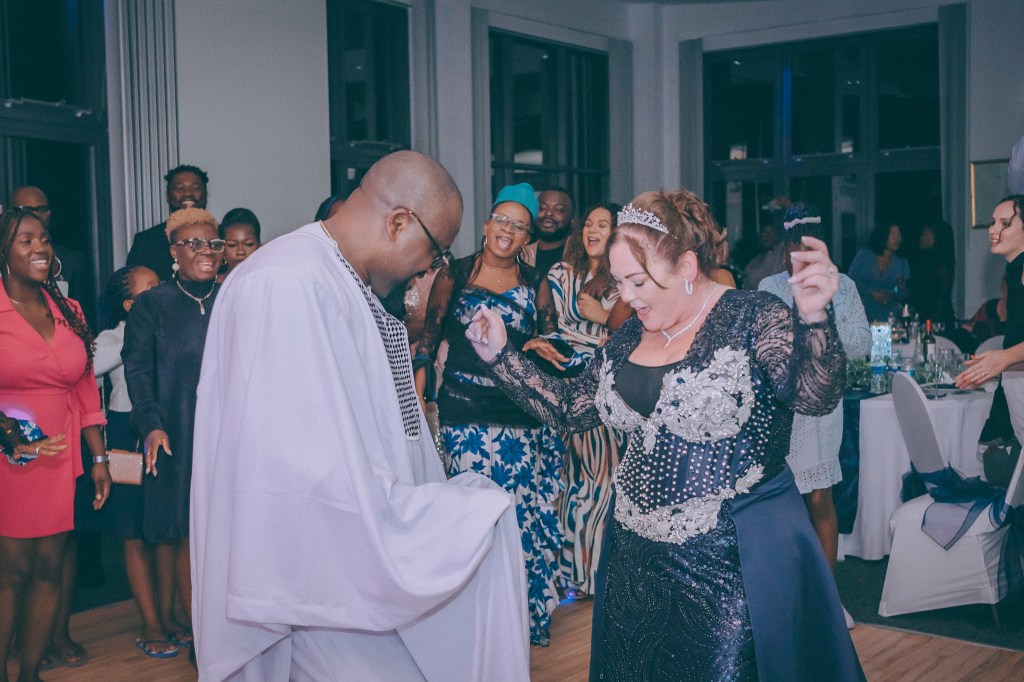
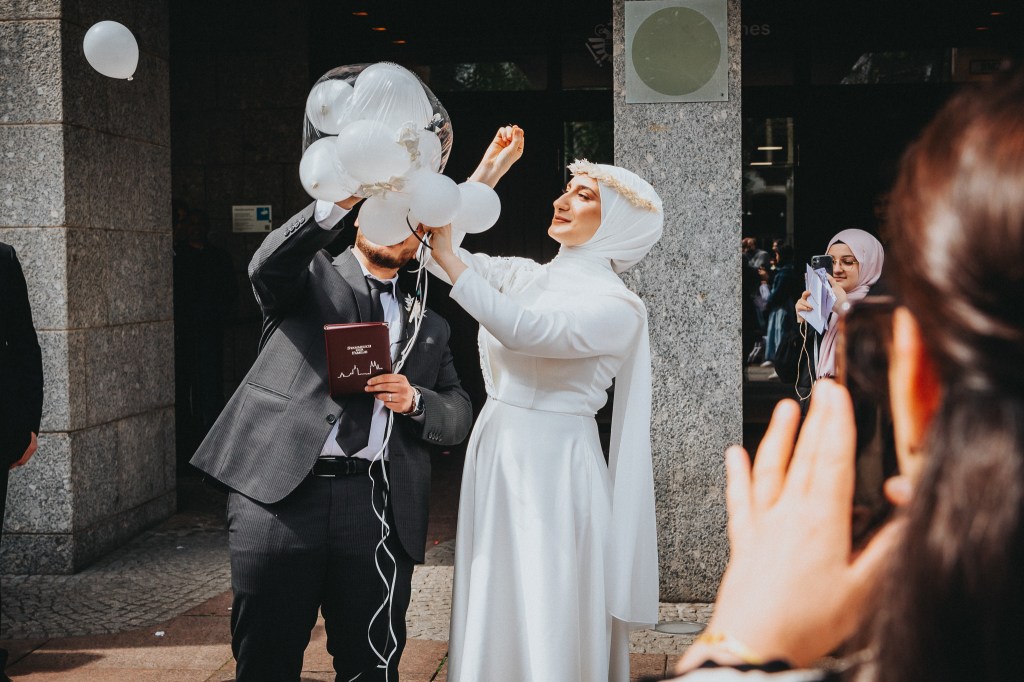
Event photography captures moments from various gatherings such as weddings, corporate events, festivals, and private parties. The essence lies in documenting candid moments, interactions, and atmosphere. Successful event photography involves several key elements:
Preparation and Equipment: Knowing the event schedule, important moments to capture, and having the right gear (like a versatile lens, backup equipment, and lighting) are crucial.
Capturing Emotions and Details: A good event photographer anticipates moments of joy, surprise, and interaction. Capturing the ambiance, décor, and setting is essential to tell a complete story.
Post-Processing: Editing is vital to enhance images, ensuring the colours are vibrant, and the moments are portrayed authentically.
Mastering Food Photography

Food photography is an art on its own, focusing on making food look as delectable as possible. This involves understanding lighting, composition, and styling:
Lighting: Natural light is preferred, but controlled artificial lighting can be used to highlight the texture and colours of the food.
Composition: Techniques like the rule of thirds, leading lines, and framing are crucial. Props and backgrounds should complement the food without overshadowing it.
Styling: The arrangement of food, garnishes, and utensils plays a significant role. It’s about making the food look appetizing and inviting.
Post-Processing: Enhancing colours, adjusting brightness and contrast, and retouching imperfections are part of the editing process.
The Synergy Between Food and Event Photography

Combining food and event photography might seem counterintuitive at first, but they complement each other remarkably well. Here’s why:
Shared Skills and Techniques: Both genres require a keen eye for detail, an understanding of lighting, and composition skills. The ability to capture the ambiance of an event can translate into creating a mood for food photography.
Versatility: Clients often seek photographers who can handle various tasks. For instance, a wedding might include capturing the event and the elaborate wedding cake, catering setup, and meals.
Storytelling: Combining both allows photographers to offer a complete narrative. For example, at a food festival, documenting the event and the individual food items provides a comprehensive story.
Increased Marketability: Photographers who showcase versatility can attract a broader client base, including event organizers, restaurants, and corporate clients.
Leveraging Social Media for Combined Photography
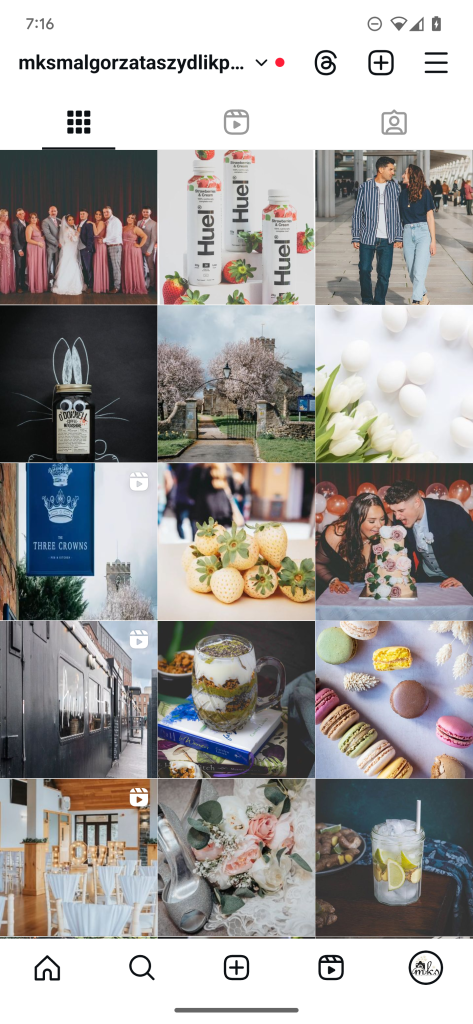
Social media platforms are powerful tools for photographers. Here’s how they can be utilized effectively:
Instagram: Known for its visual appeal, Instagram is ideal for photographers. Using features like Stories, IGTV, and Reels, photographers can showcase behind-the-scenes footage, tutorials, and their portfolios. Hashtags and geotags help in reaching a broader audience.
Facebook: With its diverse user base, Facebook is excellent for creating professional pages, engaging with clients through posts, and joining photography groups. Facebook ads can also be targeted to specific demographics.
LinkedIn: While more professional, LinkedIn can be used to network with potential clients, share blog posts, and showcase a professional portfolio. It’s a great platform for connecting with event planners and corporate clients.
Pinterest: This platform is perfect for visual inspiration. Photographers can create boards to showcase their work and attract clients looking for ideas for their events or food styling.
Blogs and Websites: A well-maintained blog or website acts as an online portfolio. Regularly updating it with recent work, client testimonials, and behind-the-scenes insights can attract more visitors and potential clients.
Techniques for Photographing Events and Food Together
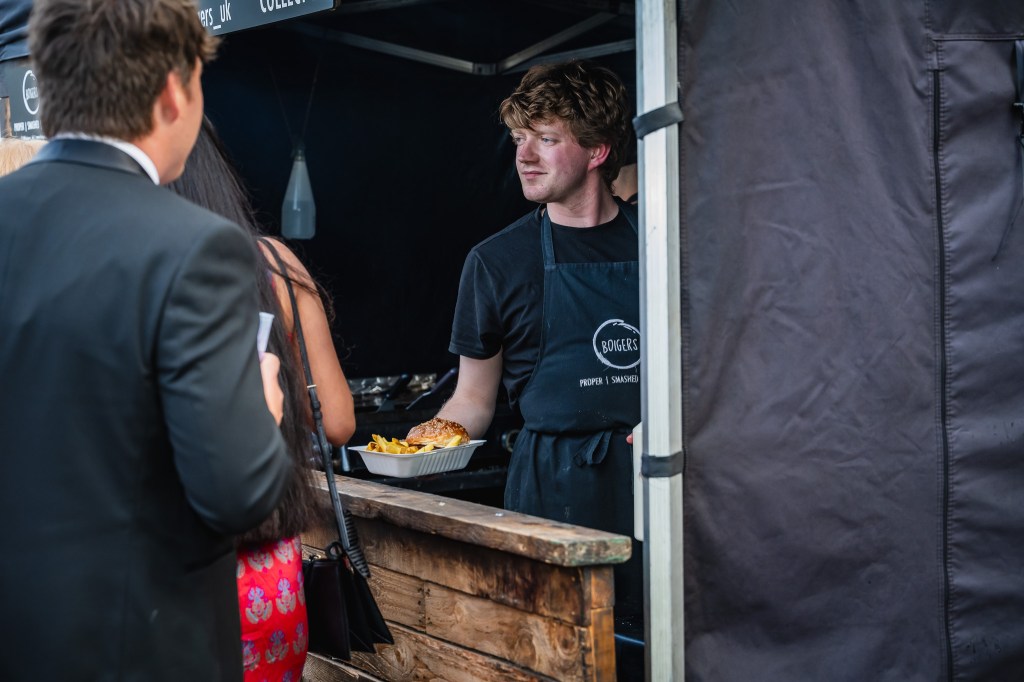
When combining food and event photography, certain techniques can ensure high-quality results:
Understanding the Event’s Theme: Aligning the photography style with the event’s theme ensures consistency. For instance, a rustic-themed wedding should have food photos that complement the décor.
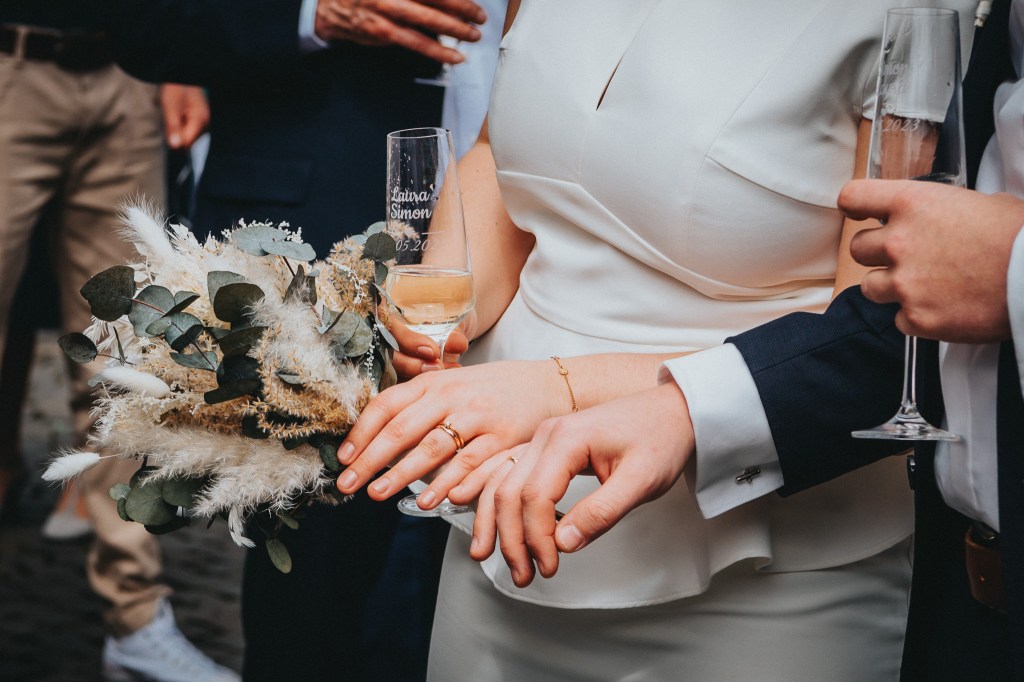
Capturing Interaction with Food: Photos of guests interacting with food, like a bride and groom cutting a cake or guests enjoying appetizers, add a personal touch.
Highlighting Details: Close-ups of the food’s texture, colour, and presentation are essential. Similarly, capturing intricate event details like table settings or decorations enhances the storytelling.
Utilizing Different Angles: Overhead shots work well for food, while eye-level shots can capture guest interactions. Mixing angles provides a varied and dynamic portfolio.
Case Studies: Success Stories of Combined Photography

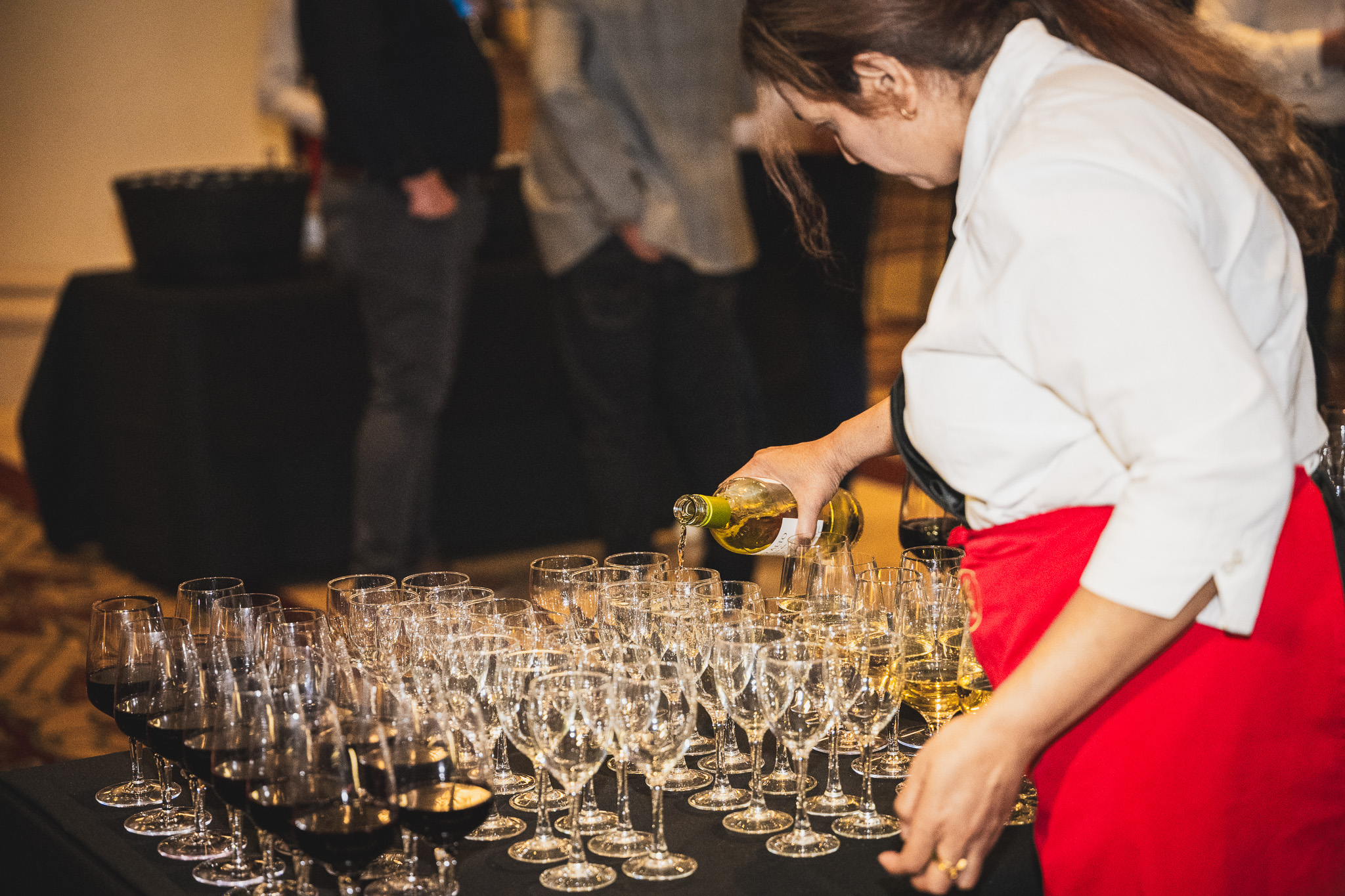

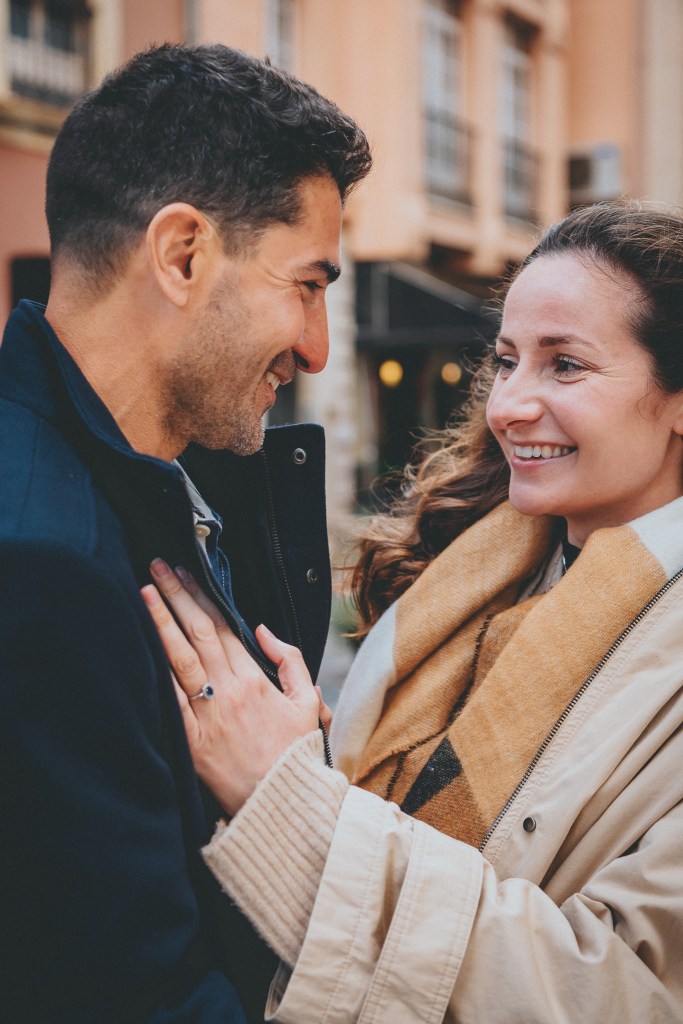
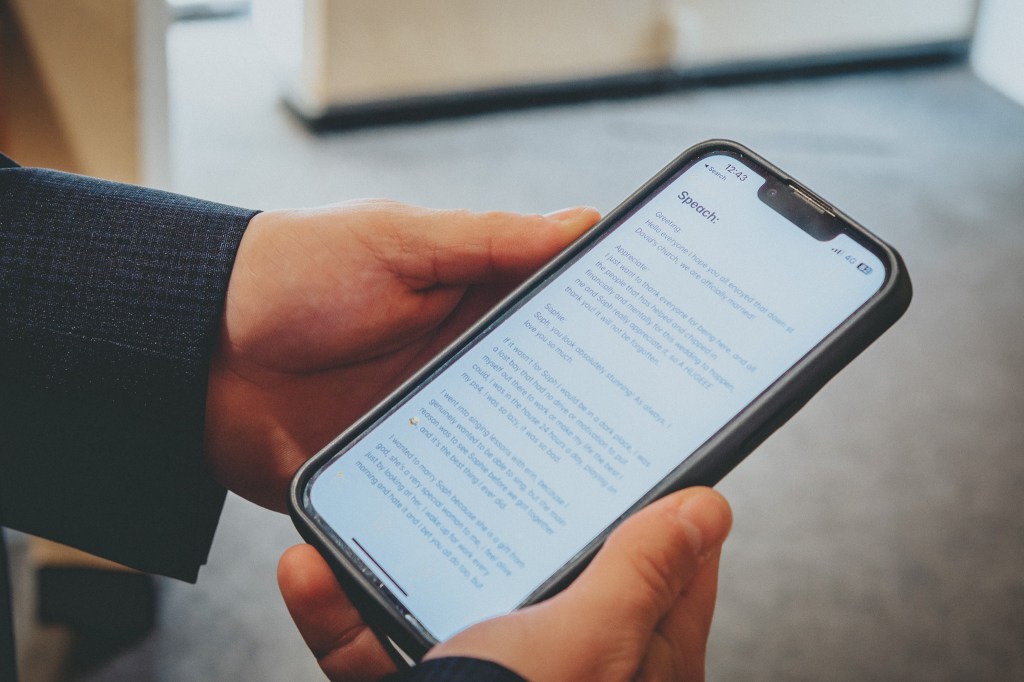
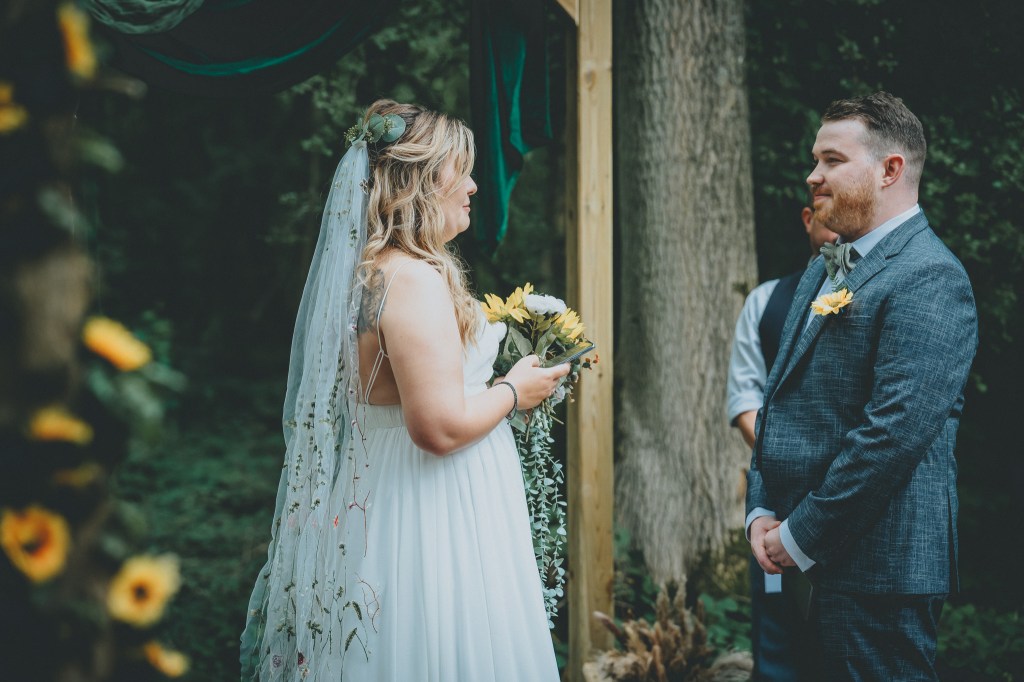
1. Weddings: Wedding photography is perhaps the most illustrative example of the seamless integration of event and food photography. At weddings, photographers are tasked with capturing everything from the intimate moments of the ceremony to the lively atmosphere of the reception, and not to forget, the meticulously presented food. The wedding cake, buffet spreads, and even the plated meals are significant aspects of the celebration. A photographer who is adept in both event and food photography can offer a comprehensive package, capturing the day’s emotions and culinary delights. This dual capability not only enriches the wedding album but also enhances the service offering, making the photographer a one-stop-shop for brides and grooms.
2. Corporate Events: Corporate events, whether they are conferences, galas, or holiday parties, often involve a significant catering component that deserves its spotlight. Documenting the scale and the professional atmosphere of the event while also capturing high-quality images of the food served plays a crucial role in the future promotional endeavours of the hosting company. These images might be used in annual reports, brochures, or digital marketing. Photographers skilled in both domains can provide value-added services by delivering comprehensive visual documentation that doubles as promotional material for the client.
3. Food Festivals: Food festivals present a vibrant arena where events and food photography can beautifully converge. Such festivals are not just about the food but also about the experience—the crowds, the excitement, and the overall atmosphere. Photographers can capture wide shots of the event showing bustling activity, alongside close-ups of the food items and the interactions between vendors and attendees. This dual focus not only captures the essence of the festival but also provides a rich narrative that is appealing both to event organisers and participants, including food vendors looking for visually compelling content for their marketing needs.
Addressing the Concerns

1. Perception of Professionalism: The notion that combining food and event photography could dilute a photographer’s professionalism is increasingly seen as outdated. In today’s digital and fast-paced market, versatility is often a significant asset. Clients value and seek out photographers who can handle various aspects of an event, appreciating the ability to capture both the ambiance of the event and the intricacies of food presentation. This versatility can position photographers as adaptable and multifaceted professionals, equipped to meet diverse client needs.
2. Brand Identity: Maintaining a cohesive brand identity while combining different photography niches is entirely feasible. Photographers can ensure a unified portfolio by using a consistent editing style, logo, and presentation across all their work. Whether images are from a corporate conference or a gourmet bistro, the photographer’s unique style can serve as the thread that ties diverse content together, thus reinforcing brand identity.
3. Marketing Strategies: Effective marketing strategies can help photographers clearly distinguish and promote their combined services. For instance, having separate sections on a website dedicated to event and food photography showcases the depth of a photographer’s skill while maintaining overall brand cohesion. Specific posts on social media can also cater to different client interests, using targeted hashtags and content that highlight the photographer’s versatility.
Final Thoughts
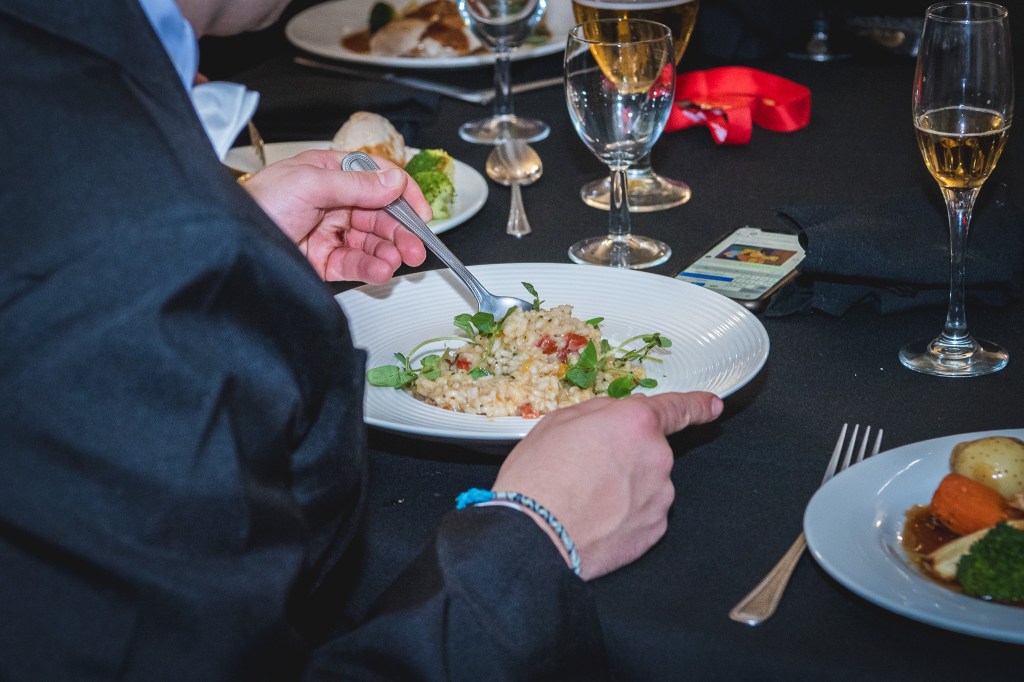
Combining food and event photography represents a strategic, advantageous approach for contemporary photographers. This synthesis not only enhances the storytelling capabilities of a photographer but also increases their marketability. Social media platforms and digital marketing tools are instrumental in showcasing this versatility. By embracing the synergy between food and event photography, photographers can offer richer, more comprehensive services to their clients, setting themselves apart in a competitive industry.
By integrating these practices and leveraging the robust capabilities of social media, photographers can transcend traditional niches, redefining professionalism in their field. This holistic approach not only broadens their market reach but also enriches their artistic journey, ensuring every captured moment contributes to a larger, more vibrant narrative.



 MKS Photography