
Hey there, photography enthusiasts! 🌟 Just so you know, this post contains affiliate links. Clicking on them won’t cost you a single extra penny, but it might help me earn a small commission to fund my next late-night photo adventure (and perhaps a cup of coffee or two!). Thanks for your support—you rock! 📸✨
Ever tried snapping a photo at dusk or indoors without much lighting, only to end up with a dark, grainy image that does not do the moment justice? You are not alone! Low light photography can be tricky, but it is also a fantastic opportunity to get creative and capture stunning images you would not achieve in broad daylight. Whether it is a cozy candlelit dinner, a lively concert, or a serene night landscape, low light conditions can add a magical touch to your photos.

But how do you make the most of these dimly lit scenes without ending up with a blurry mess? Grab your camera and let us dive into five expert tips that will help you shine bright in low light!
I am always working with Nikon D750 (which is not produced anymore, check Nikon D780 instead) or with mirrorless Nikon Z7II and Nikon lenses, which I highly recommend but you do you and research the market before you make decision which brand you prefer.
1. Open with a Wider Aperture
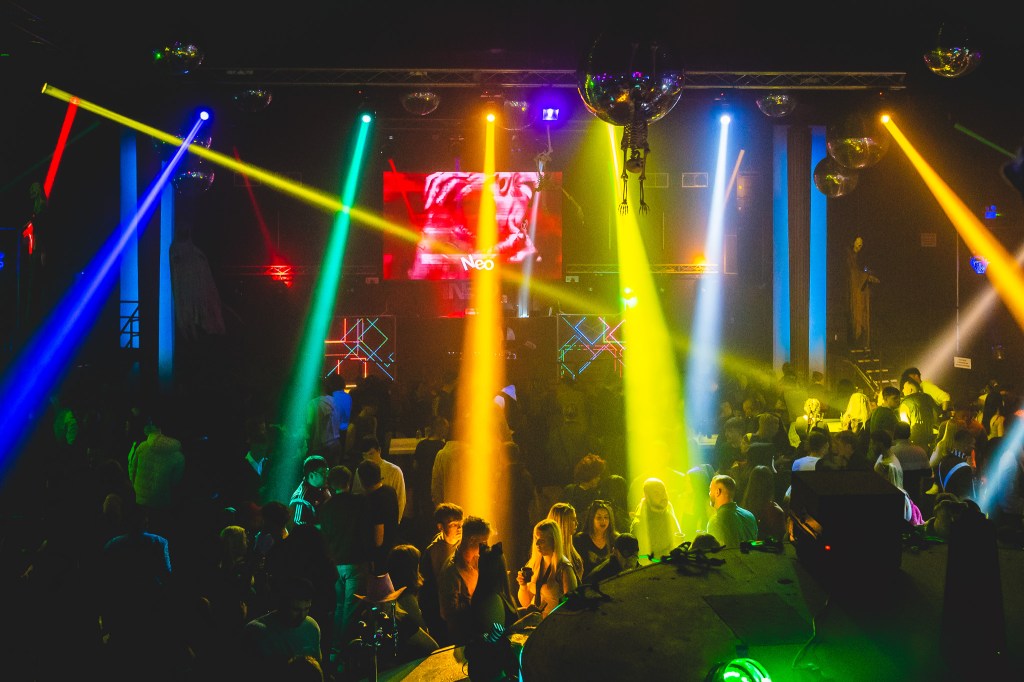
Imagine your camera’s aperture as the pupil of an eye—it controls how much light gets in. In low light situations, you will want to open that pupil wide to let in as much light as possible.
Why Aperture Matters
More Light, Better Exposure: A wider aperture (which means a smaller f-number like f/1.8 or f/2.8) allows more light to hit your camera’s sensor. This is crucial when ambient light is scarce.
Shallow Depth of Field: A wide aperture creates a pleasing blur in the background, making your subject stand out. It is perfect for portraits where you want the focus on a person’s face while the background softly fades away.
Choosing the Right Lens
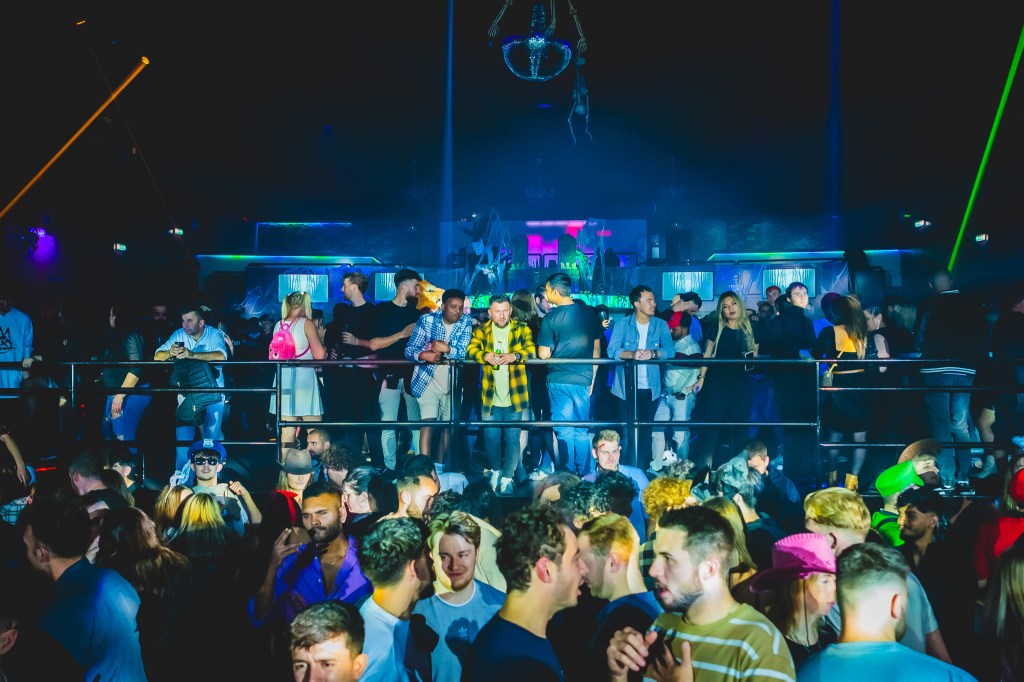
Prime Lenses Are Your Friends: Prime lenses (those with a fixed focal length) often have larger maximum apertures than zoom lenses. For instance, a 50mm f/1.8 lens is affordable and excellent for low light.
My Go-To Gear: Personally, I love using a Nikon FE 24-70mm f/2.8 and Nikon Z 70 – 200mm f/2.8 lenses. It gives me versatility in focal lengths while still offering a decent maximum aperture for low light situations.
Fun Fact
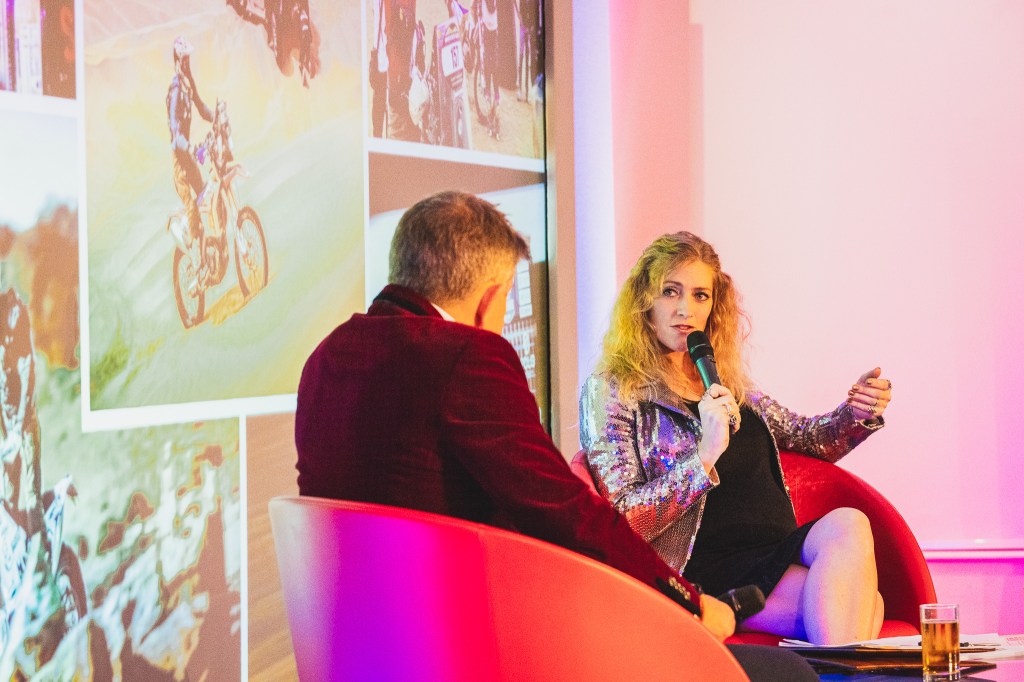
Did you know that the term “f-number” is a ratio? It is the focal length divided by the diameter of the aperture. So, a smaller f-number means a larger aperture!
2. Increase the ISO (But Keep an Eye on Noise)
ISO is like your camera’s sensitivity to light. Cranking it up helps you capture images in darker settings without a flash. But there is a catch—higher ISO can introduce noise, those annoying grainy specks that can ruin an otherwise great shot.

Balancing ISO and Image Quality
Find Your Camera’s Sweet Spot: Modern cameras handle high ISO much better than older models. Test your camera to see how high you can push the ISO before the noise becomes unacceptable.
Full-Frame Cameras Shine: Cameras like the Sony A9 II, Canon EOS 1DX Mark III, or Nikon Z9 perform exceptionally well at high ISO settings. They let you shoot at ISO 3200 or even higher with minimal noise.

Pro Tips
Noise Reduction Software: Programs like Adobe Lightroom have noise reduction features that can help clean up your images in post-processing.
Expose Correctly: Underexposed images amplified in post-processing show more noise than images correctly exposed at higher ISO.
Quick Anecdote
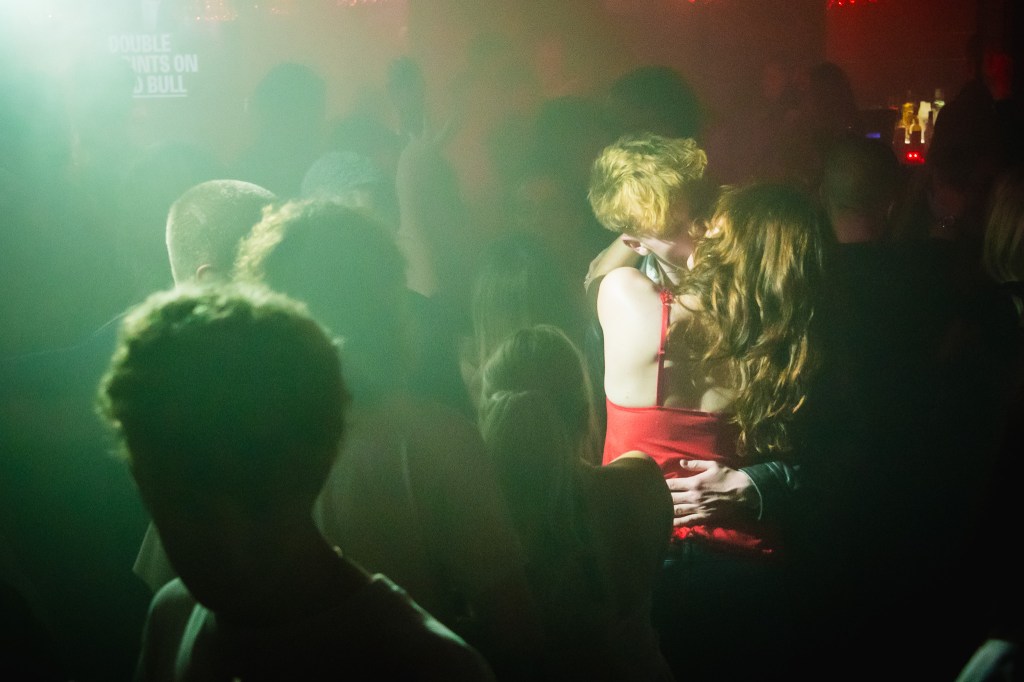
I once shot a concert where the lighting was non-existent. By pushing my ISO to 6400 and carefully adjusting my other settings, I captured vibrant images that conveyed the energy of the performance without excessive noise.
3. Slow Down Your Shutter Speed
Shutter speed determines how long your camera’s sensor is exposed to light. Slower shutter speeds mean more light, but they also increase the risk of blur from camera shake or moving subjects.

Mastering Shutter Speed
Understand the Basics: Shutter speeds are typically measured in fractions of a second (e.g., 1/60, 1/125). A slower shutter speed like 1/15 lets in more light than 1/125.
Use a Tripod: To counteract camera shake, especially at slower shutter speeds, a tripod is invaluable. It keeps your camera steady, ensuring sharper images.
Subject Movement: If your subject is stationary, slower shutter speeds work great. For moving subjects, you might need to find a balance to avoid motion blur.

Get Creative with Blur
Intentional Motion Blur: Sometimes, a bit of blur adds artistic flair. Think of light trails from cars at night or the soft flow of a waterfall.
Use Image Stabilisation: Some cameras and lenses have built-in stabilisation (IBIS or OIS) that helps reduce blur from slight movements.
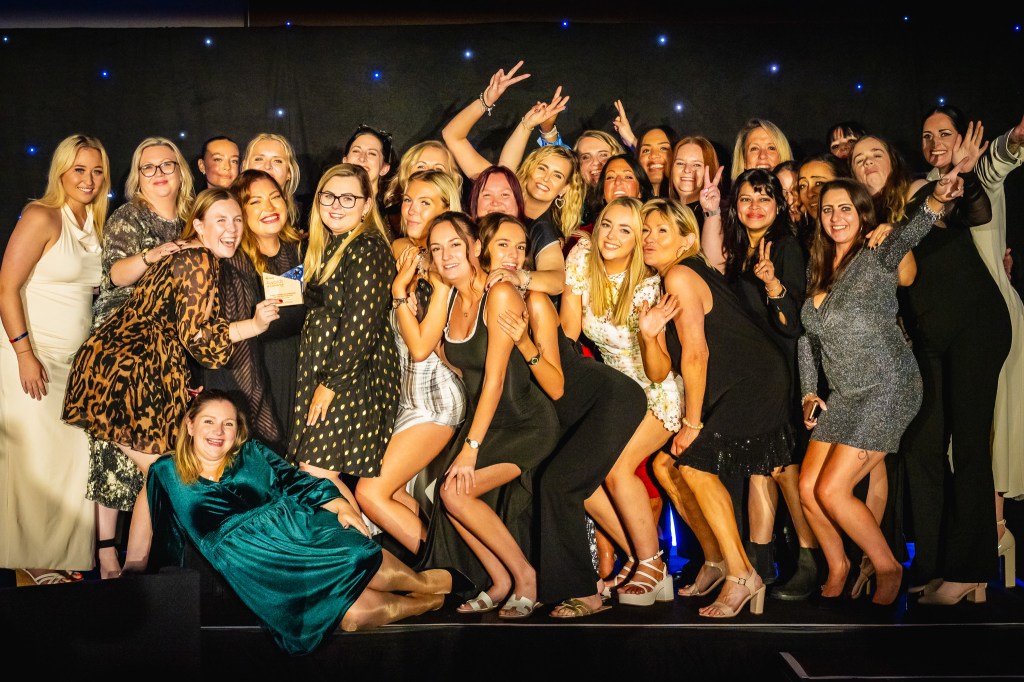
DIY Stabilisation
No tripod? No problem! Improvise by resting your camera on a steady surface like a wall, table, or even a backpack. I have balanced my camera on all sorts of objects in a pinch!
4. Introduce Additional Light Sources
All right, this might feel like bending the rules, but adding light can dramatically improve your low light photography.

Using Flash and External Lights
On-Camera Flash: Built-in flashes can be harsh. Try diffusing the light by attaching a small piece of white paper or plastic over the flash.
External Flash Units: These offer more control. You can bounce the flash off ceilings or walls to spread the light more evenly. I am using Nikon speed light SB-5000 and it is great.
Continuous Lighting: LED panels or even a smartphone flashlight can provide a constant light source.
Making the Most of Available Light
Seek Out Ambient Light: Street lamps, neon signs, candles, or even the glow from a laptop screen can add interesting lighting to your photos.
Adjust Your Position: Sometimes, moving your subject closer to a light source or changing your angle can make a significant difference.
Creative Lighting Hacks
Reflectors: Use reflective surfaces like mirrors, white boards, or aluminium foil to bounce light onto your subject.
DIY Solutions: In a dark restaurant without a flash? I have used menus, napkins, and even water glasses to reflect candlelight onto my subject.
A Fun Experiment
Once, I used a string of fairy lights as a makeshift light source during a nighttime portrait session. Not only did it illuminate the subject, but it also added a whimsical element to the photos!
5. Shoot in RAW Format
Shooting in RAW captures all the data from your camera’s sensor, giving you more flexibility to edit and adjust your images later.

Advantages of RAW
Recover Details: You can pull back details from shadows and highlights that might be lost in a JPEG.
Better Colour Correction: Adjust white balance and colour profiles without degrading image quality.
Enhanced Editing: Fine-tune exposure, contrast, and sharpness with more precision.
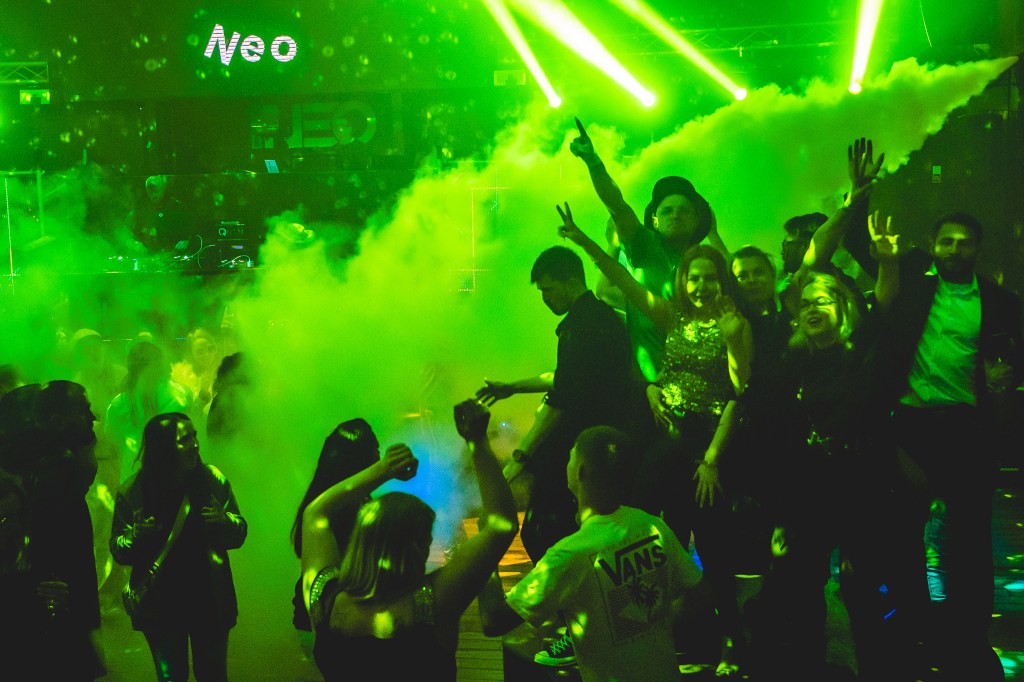
Considerations When Shooting RAW
Larger File Sizes: RAW files are significantly bigger than JPEGs. Ensure you have enough storage on your memory cards and hard drives.
Need for Processing: RAW images require post-processing with software like Adobe Lightroom, Photoshop, or other RAW editors.
lower Workflow: The extra step of processing RAW files means it takes longer to get to your final image.
Why It is Worth It
The ability to adjust your low light photos after the fact can be a game-changer. I have saved many images that seemed too dark or noisy by tweaking the RAW files in post-processing.
FAQs
What Should I Keep in Mind for Low Light Photography?
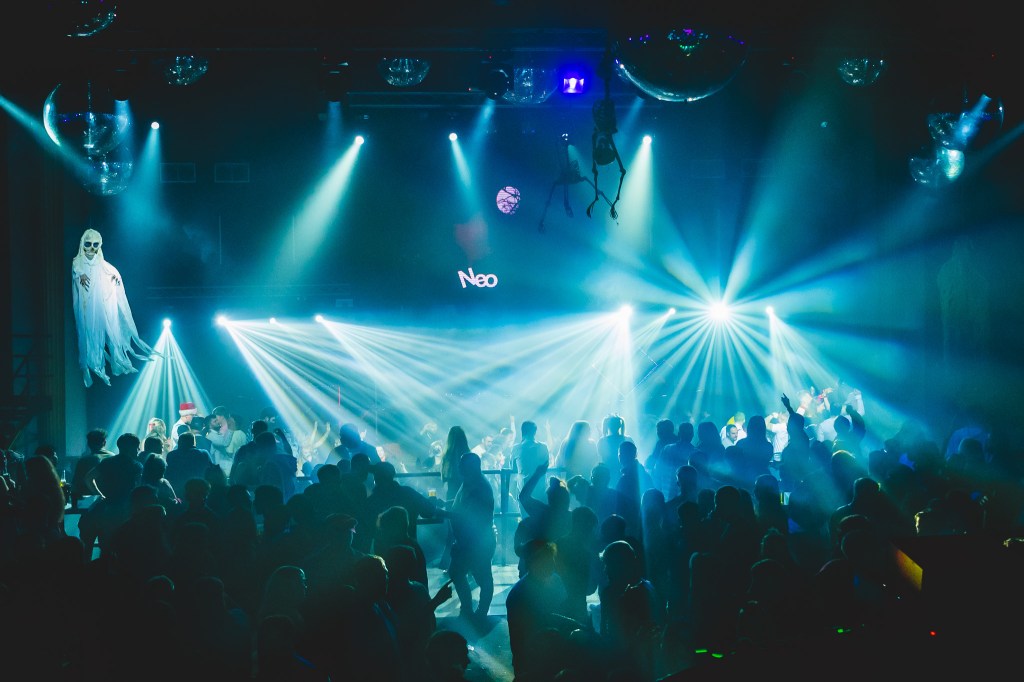
Be Patient and Experiment: Low light photography often requires trial and error. Do not be afraid to take multiple shots with different settings.
Know the Exposure Triangle: Understanding how aperture, shutter speed, and ISO work together is crucial.
Watch for Noise and Blur: Balance your settings to minimise noise (from high ISO) and blur (from slow shutter speeds).
Use Manual Mode: Automatic settings might not cut it in low light. Manual mode gives you full control over your camera.
Check Your Histogram: This tool helps you understand the exposure of your image, ensuring you are capturing the full range of details.
Which Equipment Do I Need for Low Light Photography?
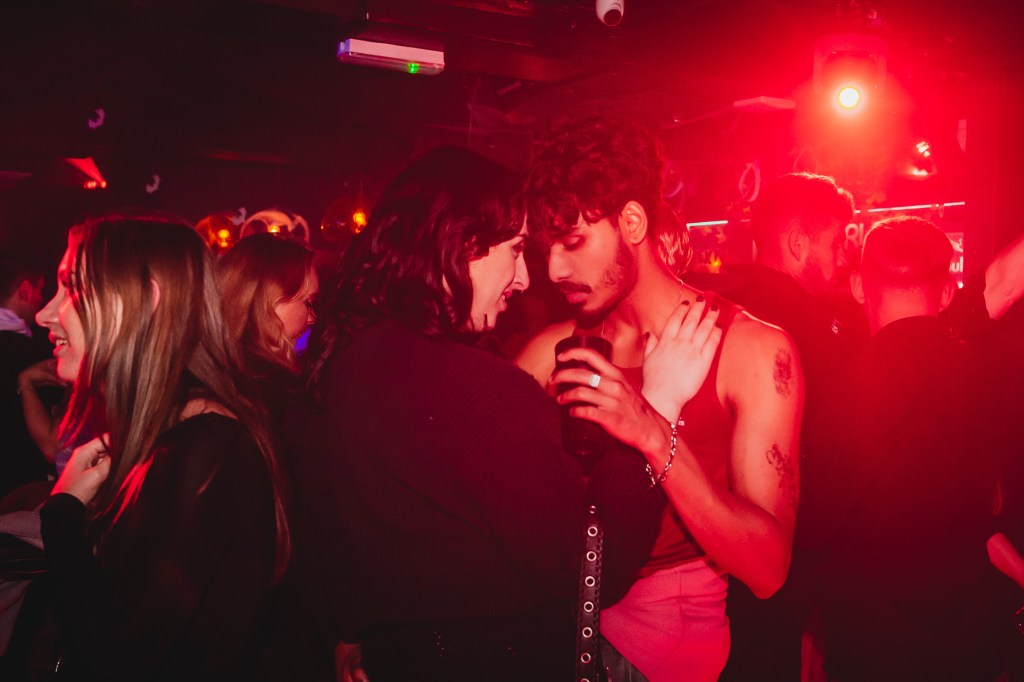
Fast Lenses: Invest in lenses with wide apertures (like f/1.8 or f/2.8).
Sturdy Tripod: A must-have for stabilising your camera during long exposures.
External Flash or Lighting: Provides additional light when natural light is not enough.
Full-Frame Camera: There are cameras which have larger sensors that perform better in low light. Research before you make your choice.
High-Capacity Memory Cards: Shooting in RAW and high-resolution formats requires more storage space. I am using SanDisk Extreme PRO and am very happy with them.
What is the Right ISO to Use?
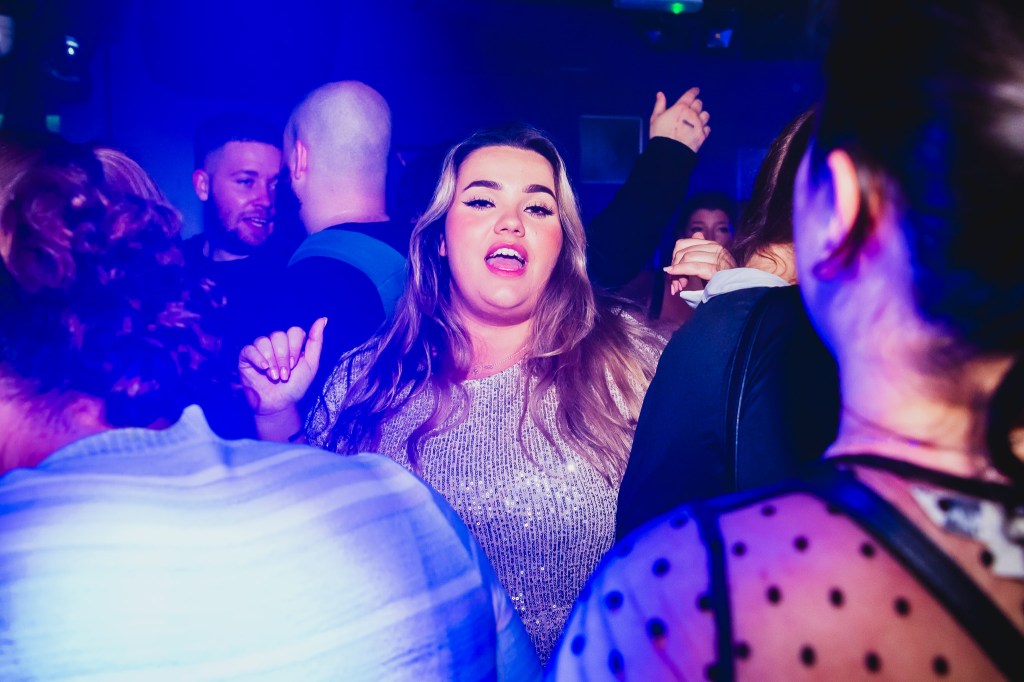
It Depends on Your Camera and Situation: There’s no one-size-fits-all answer. For some cameras, ISO 1600 might be the limit; others can handle ISO 6400 or higher.
Aim for the Lowest Acceptable ISO: Increase ISO only as much as needed to achieve proper exposure without introducing excessive noise.
Test and Learn: Spend time understanding how your specific camera model handles different ISO settings in various lighting conditions.
Use Noise Reduction Techniques: Both in-camera settings and post-processing software can help manage noise.
Final Thoughts

Low light photography does not have to be daunting. In fact, it opens a whole new world of creative possibilities. By understanding and manipulating your camera’s settings—aperture, shutter speed, and ISO—you can capture stunning images that evoke mood, drama, and atmosphere.
Remember, photography is both a science and an art. While technical knowledge is essential, do not forget to let your creativity shine. Experiment with different techniques, play with shadows and light, and most importantly, have fun with it!
So next time you find yourself in a dimly lit setting, do not shy away from pulling out your camera. Embrace the challenge, apply these tips, and watch your low light photography skills light up!
Happy shooting!
 MKS Photography