
When planning a wedding, one of the crucial decisions is choosing a photographer. The range in pricing can be vast, from as low as £500 to as high as £10,000 or more. So, what differentiates a £500 wedding photographer from a £10,000 one? It’s not just about the pictures captured during the event; it’s about the overall experience, expertise, and the value added before, during, and after the wedding.

1. Experience and Expertise: The most significant difference lies in the experience and expertise of the photographer. A £10,000 photographer typically brings a wealth of experience, with a deep understanding of wedding dynamics, lighting, composition, and the ability to capture candid moments and emotions. This level of expertise ensures a higher quality of work, often apparent in their portfolio. In contrast, a £500 photographer might be new to the industry or working part-time, which can reflect in the quality and consistency of their photos.
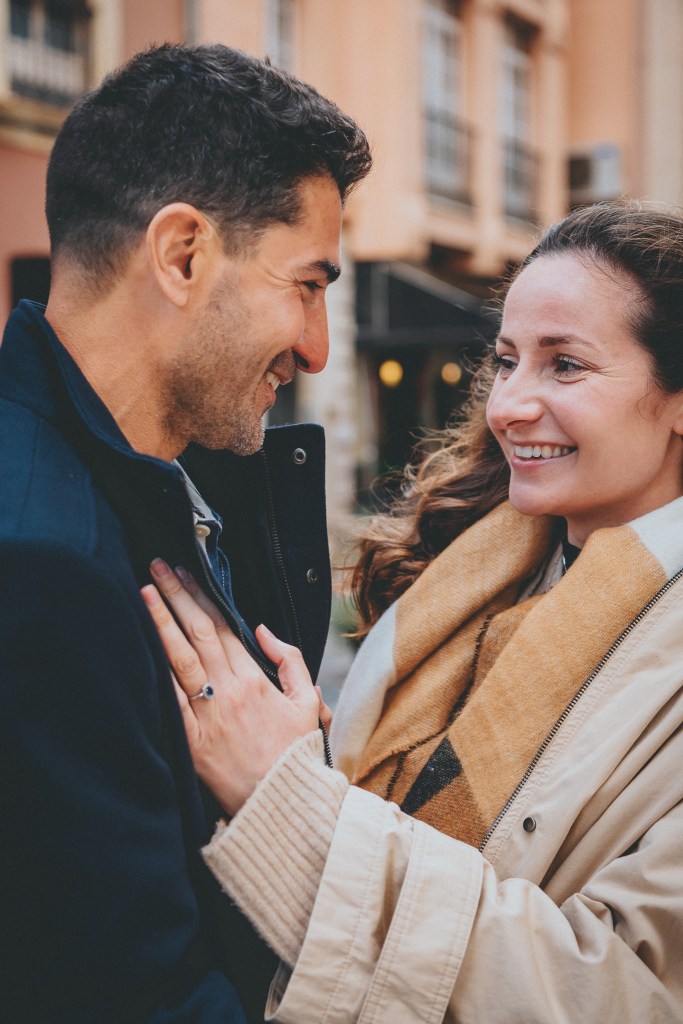
2. Pre and Post-Wedding Engagement: High-end photographers often provide comprehensive services that include pre-wedding consultations, engagement photo sessions, and detailed discussions about the wedding day. They might assist in planning the photography schedule, ensuring that all important moments are captured. Post-wedding, these photographers typically offer professional editing, creating albums and prints, and even providing a sneak peek of images shortly after the wedding. This level of engagement is less likely to be found with lower-priced options.

3. Equipment and Backup: Professional photographers invest heavily in high-quality equipment, including multiple cameras, lenses, lighting, and backups for everything. This investment is crucial to handle the unexpected and ensures the highest quality of images in various lighting conditions. A £500 photographer may not have access to such equipment or the backup necessary for a seamless experience.
4. Additional Services and Team: At the higher end of the spectrum, photographers often come with a team, including second shooters and assistants, ensuring comprehensive coverage of the event. They might offer additional services like drone photography, same-day edits, online galleries, luxury print albums, and professional videos. These additional services are generally beyond the scope of lower-priced photographers.

5. Reliability and Professionalism: With a higher price tag comes a higher level of professionalism and reliability. High-end photographers often have business insurance, contracts, and a registered business, ensuring a professional and secure service. Conversely, lower-priced photographers might lack these business essentials, which can be a risk.
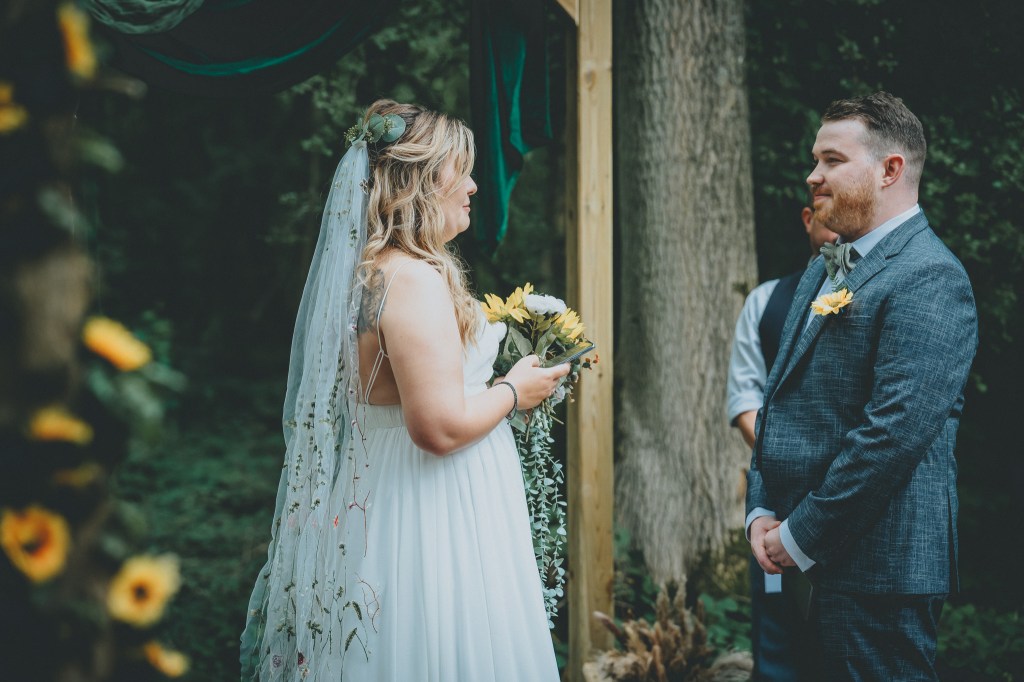
6. Style and Artistry: Premium photographers often have a distinct style and artistic approach, offering images that are not just photographs but pieces of art. They have the skill to create unique, emotional, and storytelling images that stand out. Lower-priced photographers might offer more standard, cookie-cutter style images.

7. The Risk Factor: When considering a lower-priced photographer for your wedding, it’s important to be aware of the potential risks involved. While not all budget photographers will lead to a negative experience, the probability of encountering issues is significantly higher in the lower price bracket.
* Reliability Concerns: One of the most common risks with lower-priced photographers is reliability. There have been numerous instances where photographers have failed to show up on the wedding day or disappeared post-wedding without delivering the photos. This lack of professionalism can turn what is supposed to be a joyous occasion into a stressful and disappointing experience.
* Quality of Work: Often, the low cost reflects a lack of experience or professional training. This inexperience can result in missed crucial moments like the first kiss, the exchange of vows, or candid moments between loved ones. Additionally, they might struggle with challenging lighting conditions or crowded settings, leading to poor-quality images.
* Limited Resources and Backup Plans: Lower-priced photographers might not have access to high-quality equipment or backup gear, which is essential for handling unexpected situations like equipment failure. They might also lack the necessary assistants or second shooters, which can limit the coverage of your wedding, especially in larger or more complex venues.
* Post-Processing and Editing: The editing process is where a photo transforms from a simple snapshot to a work of art. Budget photographers may lack the skills or resources for professional editing, which can significantly impact the final quality of the photos. This can lead to images that are bland, improperly exposed, or fail to capture the true ambiance of your wedding.
* Legal and Business Considerations: Lower-priced photographers might not operate as registered businesses, lacking the necessary insurance or contracts to protect both parties. This can be a significant risk if disputes or issues arise post-wedding.
* No Accountability or Reputation to Uphold: Unlike high-end professionals who have a reputation to maintain, lower-priced photographers might not have a significant online presence or a portfolio of work that can be scrutinized. This lack of accountability means they might not be as committed to delivering high-quality work or adhering to professional standards.
* Investing in Peace of Mind: By contrast, investing in a high-end photographer offers peace of mind. These professionals are committed to their craft and reputation. They come equipped with high-quality gear, backup equipment, and a team if necessary. They have the experience to navigate the unforeseen challenges of a wedding day, ensuring that all crucial moments are beautifully captured.
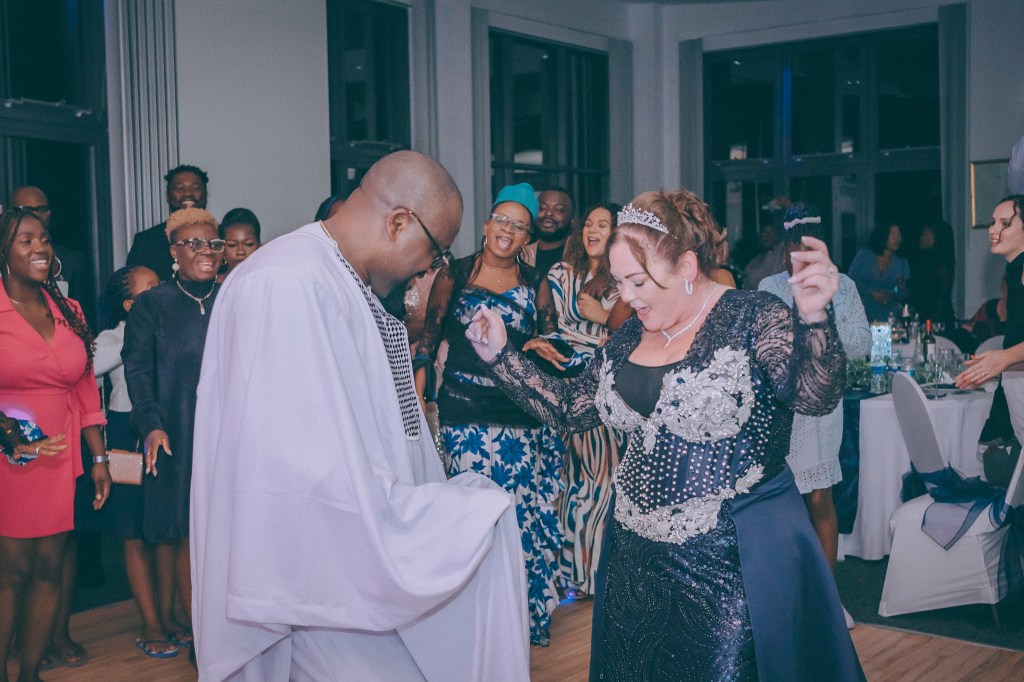
8. Personal Connection: Choosing a photographer for your wedding is a deeply personal decision. The personal connection between the couple and the photographer is pivotal, particularly when considering high-end photographers. This connection transcends mere business transaction and becomes a collaborative journey.
* Understanding Your Story: A skilled, higher-priced photographer invests time in understanding your story – how you met, your journey together, and what your wedding signifies for you. This understanding allows them to capture images that are not just visually stunning but also emotionally resonant and deeply personal.
* Building Trust: Such photographers often prioritize building trust and rapport. They are likely to meet with you multiple times, be available for discussions, and show genuine interest in your ideas and concerns. This level of engagement builds a comfort level that can be incredibly beneficial on the wedding day, allowing for more natural and relaxed photography.
* Tailoring the Experience: Every couple is unique, and a photographer who understands this will tailor their approach accordingly. They might offer personalized suggestions for locations, themes, or styles based on what they learn about you. This customization can lead to a more satisfying and bespoke photographic experience.
* Emotional Intelligence: High-end photographers often possess a strong sense of emotional intelligence. They can read the room, understand dynamics among family members and guests, and anticipate moments before they happen. This skill is crucial in capturing those fleeting, candid moments that define the spirit of your wedding.
* Beyond the Wedding Day: The connection often extends beyond the wedding day. These photographers might stay in touch, offering services for future life events like anniversaries, maternity shoots, or family portraits. Such ongoing relationships can lead to a more profound understanding and capture of your evolving story over time.
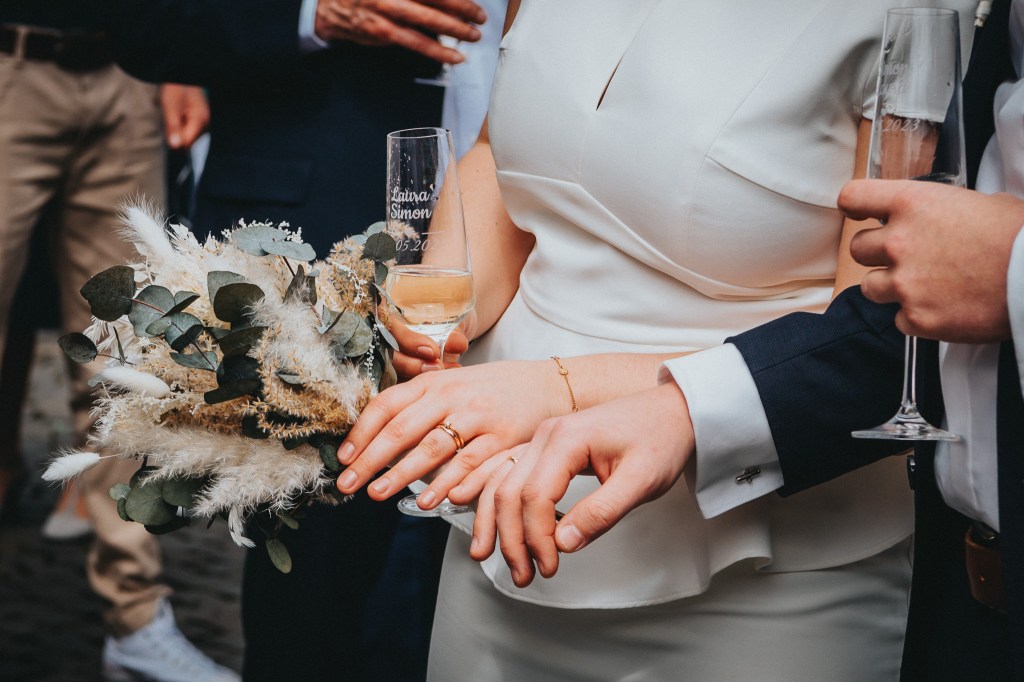
9. Market Variations: It’s important to note that these price ranges can vary significantly based on geographic location and market demand. In some regions, £500 might fetch a relatively experienced photographer, whereas, in others, it wouldn’t cover the basics.
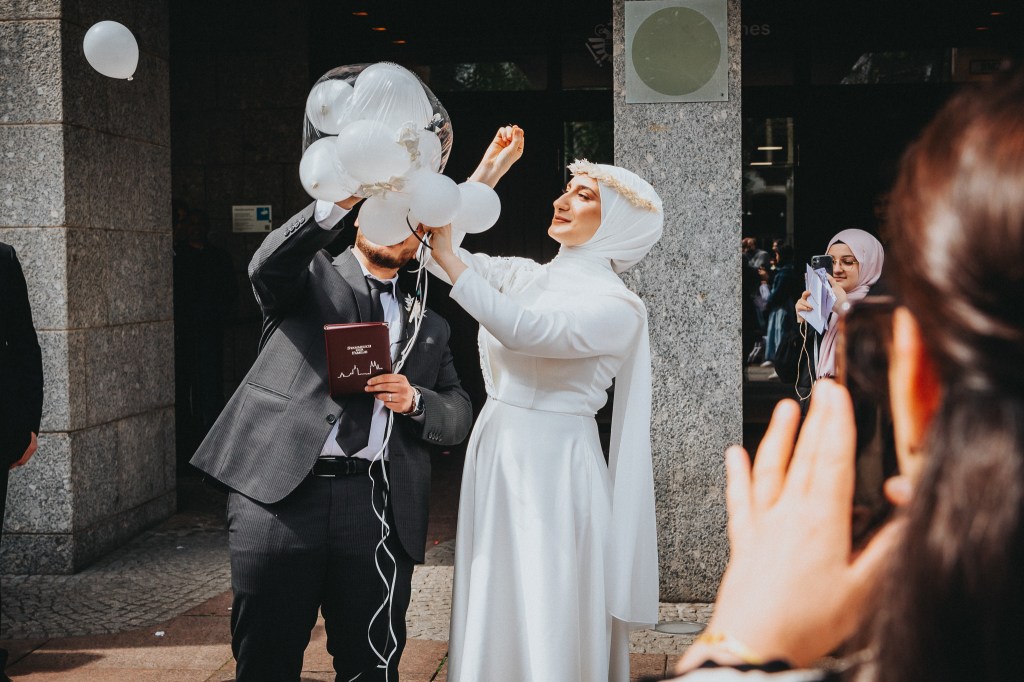
10. Conclusion: In essence, when choosing a wedding photographer, it’s crucial to consider what’s included in the package, but also the experience, reliability, and artistry they bring to your special day. A £10,000 photographer should offer not just a service, but an experience – from the initial consultation to the final delivery of stunning, high-quality images and albums. Conversely, a £500 photographer might suit couples with a tight budget or those willing to take a risk on someone potentially less experienced. Ultimately, the choice reflects a balance between budget constraints and the value placed on capturing those once-in-a-lifetime memories.






 MKS Photography