May Was The Month That Proved Everything Is Possible

#event

There is a particular kind of madness that comes with being a working photographer in the middle of a busy season. It is the madness of setting two alarms for 2:45am, driving three hours to an airport in the dark, flying two hours to Poland, spending a weekend crying happy tears with your oldest friends, flying back, going straight to the office, then driving to Gloucestershire to set up a headshot studio for 185 people and all of this within the space of about five days.

May 2026 was that kind of month.

And I would not change a single minute of it.

Why Events Matter, A Lesson Learned at 4:00am on a Friday

The month began with a charity golf day in Nottingham. The NGA Charity Golf Day for Notts Gymnastics Academy, a registered charity raising funds for young gymnasts in the East Midlands. I left Newport at 4:30am, arrived at Ruddington Golf Club as the morning mist was still sitting on the fairways, and spent six hours photographing people doing what people do when they are outdoors on a beautiful course for a good cause.
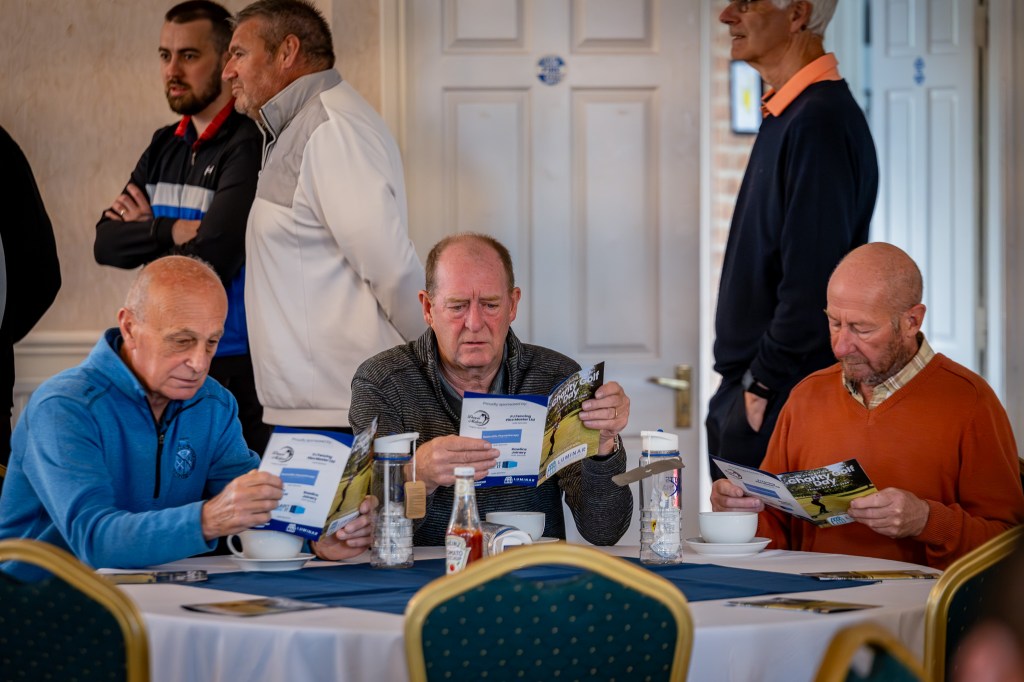
They laughed. They competed. They celebrated. One person did a victory dance that I am fairly confident their colleagues will not let them forget for some time.

This is why event photography exists. Not for the grand gesture, though those matter too, but for the small, unrepeatable human moments that happen when people gather around something that means something to them. A charity golf day is not just a golf day. It is a fundraiser, a community builder, a memory maker. And without a photographer present, it is a collection of moments that exist for a few seconds and then disappear forever.
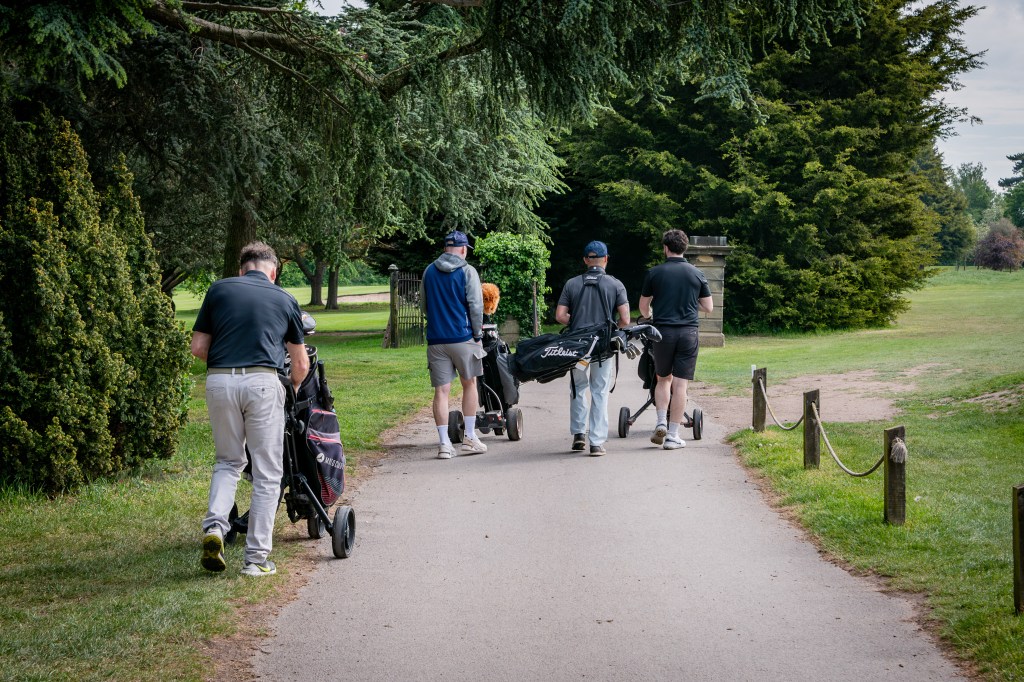
Sports and charity event photography is a discipline in its own right. The technical demands are significant, long lenses to capture action from distance, fast shutter speeds to freeze movement, constant repositioning to find the angle that tells the story rather than just documents the scene. The 70–200mm f/2.8 earned its place in the bag that day, as it always does when there is distance and movement involved.

The Reunion. Why Life Outside the Camera Fills the Images Inside It

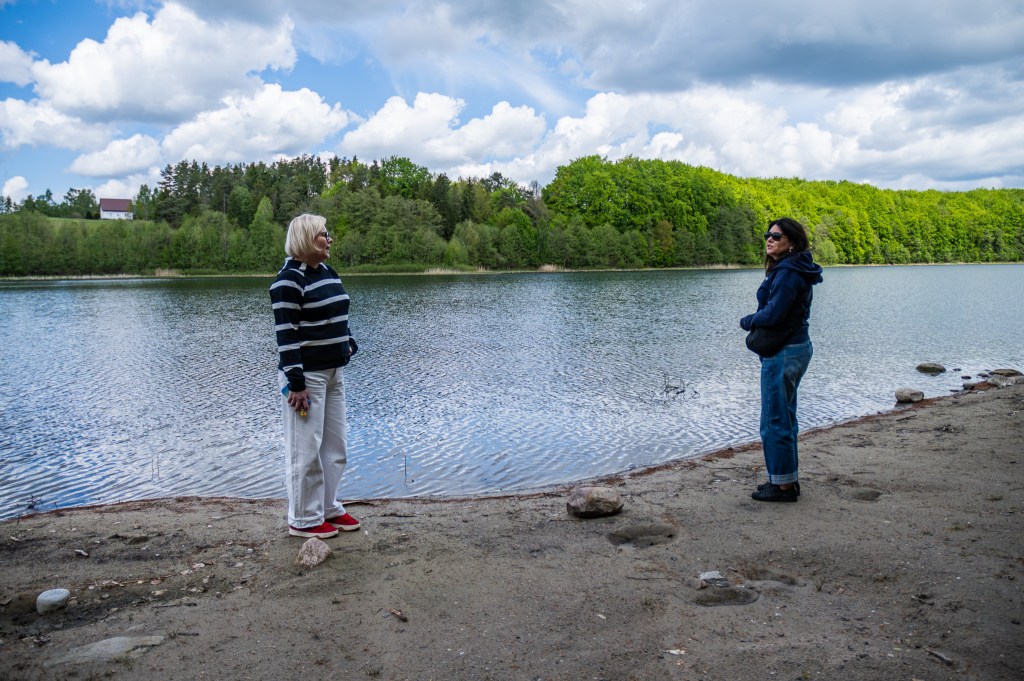
Between the golf day and the biggest shoot of the month, I did something entirely unrelated to photography. I flew to Gdansk, Poland, with my husband, who went to visit his mother while I drove with my closest friends Ola and Kamila, and headed to a lakeside venue in Grabówko where 24 of my school friends were waiting.
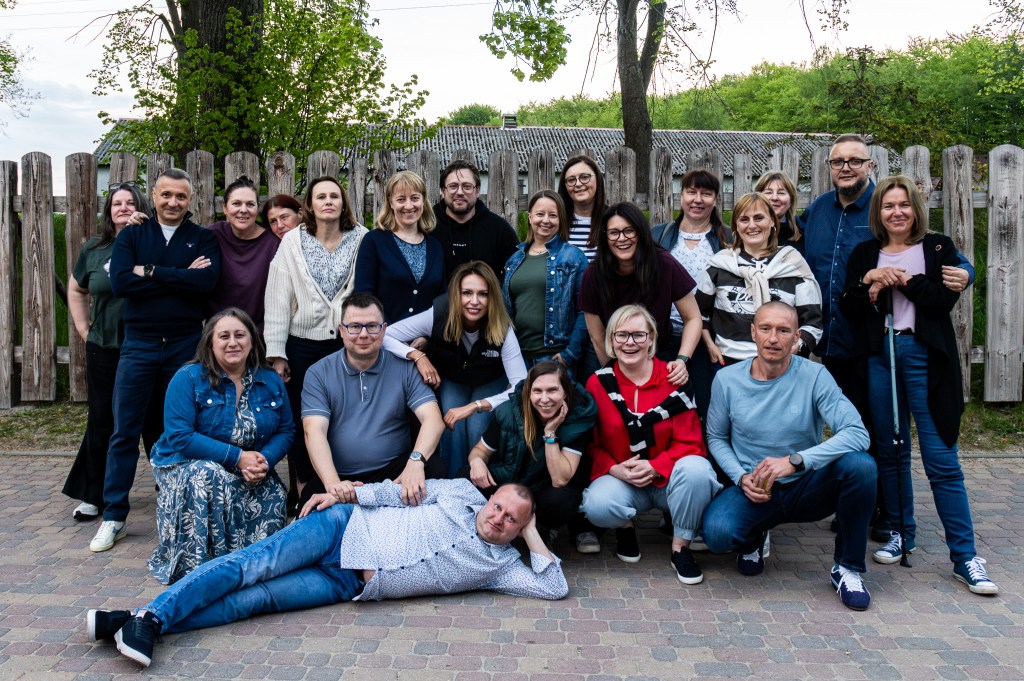
Thirty years after our final exams.

I have written about this elsewhere and I will not overdo it here, but I want to say something professional about something deeply personal. The photographers who produce the most emotionally resonant work are not necessarily the ones with the most technical skill. They are the ones who have lived, who have laughed until they could not breathe, who have held friendships across decades and borders, who understand what it feels like to be in a room full of people who genuinely love each other.
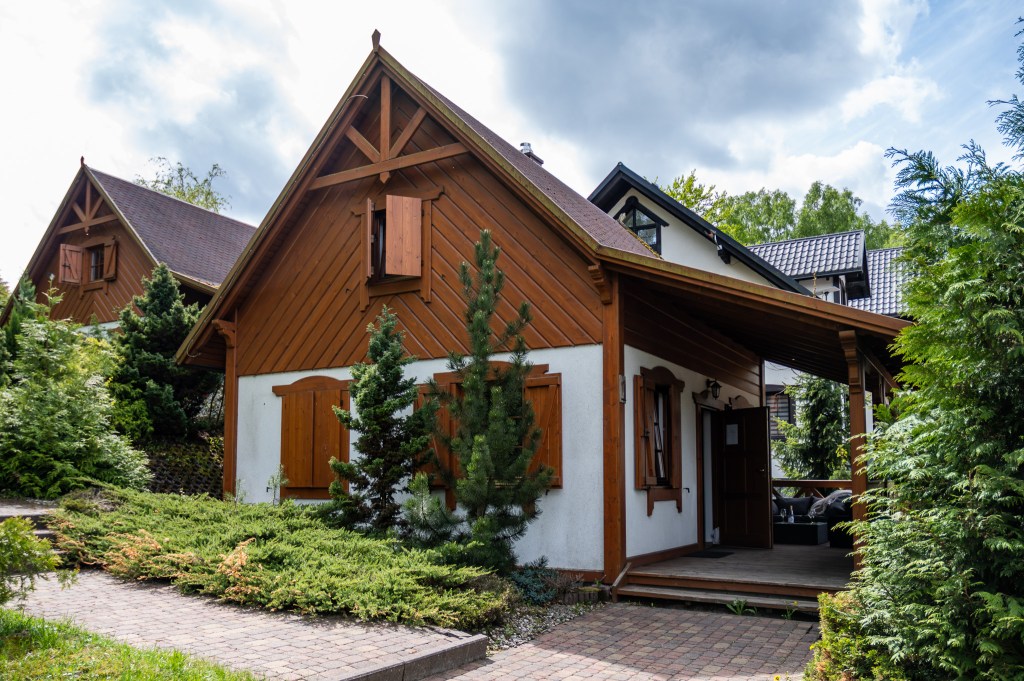
That weekend refilled something that a busy season empties. It reminded me why the work matters. Because the events I photograph, the conferences, the galas, the away days, the charity dinners are all, at their core, versions of the same thing. People choosing to be in the same room together. People choosing connection over isolation. That is worth documenting. Every single time.

I also took my camera. Of course I did.

185 People. Two Days. Over 400 Headshots. Delivered Before They Left the Building.

Then came Tortworth Court.

De Vere Tortworth Court in Gloucestershire is a stunning Victorian Gothic manor house. The kind of venue that makes you feel slightly underdressed just by looking at it. I was there with ACF Events, one of the UK’s most professional and genuinely wonderful event management companies, for a two-day corporate headshot session on behalf of their client Form3.

The brief: photograph 185 people across two days, producing both a formal professional headshot and a fun image for a digital mosaic wall for each person. Deliver everything before the client left the building on day two.

The setup: a Raubay pull-up white backdrop, a Photoolex strobe with large softbox, a parabolic reflector panel, two Nikon camera bodies, my 85mm prime lens, and my assistant Piotr, who managed the guest list, handled all the heavy lifting, and made sure my tea cup was never empty. That last point is more important than it sounds.

The execution: two long days starting at 7am, working through open slots between conference sessions, managing a flow of people with no fixed time slots on day two, and maintaining consistent exposure, lighting, and quality from the very first frame to the very last.

The result: over 400 edited images delivered on site before the event concluded.

When the organiser said they could not believe it was possible, I smiled and said thank you. Inside I was thinking about all the preparation, all the test shots at home weeks before, all the equipment checks, all the conversations with Louise at ACF Events about logistics and scheduling. What looks like a miracle from the outside is just preparation from the inside.

Corporate headshot photography at scale is one of the most technically demanding disciplines in event photography. Consistency is everything. Your 185th subject deserves exactly the same quality of light, the same care in direction, and the same attention to their expression as your first. Aperture locked. Shutter locked. ISO locked. White balance locked. The variables you can control, you control completely, leaving your full attention for the variable that matters most. The person standing in front of your camera.

This shoot also marked a significant professional milestone. ACF Events confirmed that I am their main photographer. For a photographer who started this year with a clear goal of building agency relationships, that confirmation meant a great deal.

Two Networking Events, One Evening, Cardiff

The evening after Tortworth Court finished I drove to Cardiff for two networking events back to back. Because apparently I do not believe in recovery days.
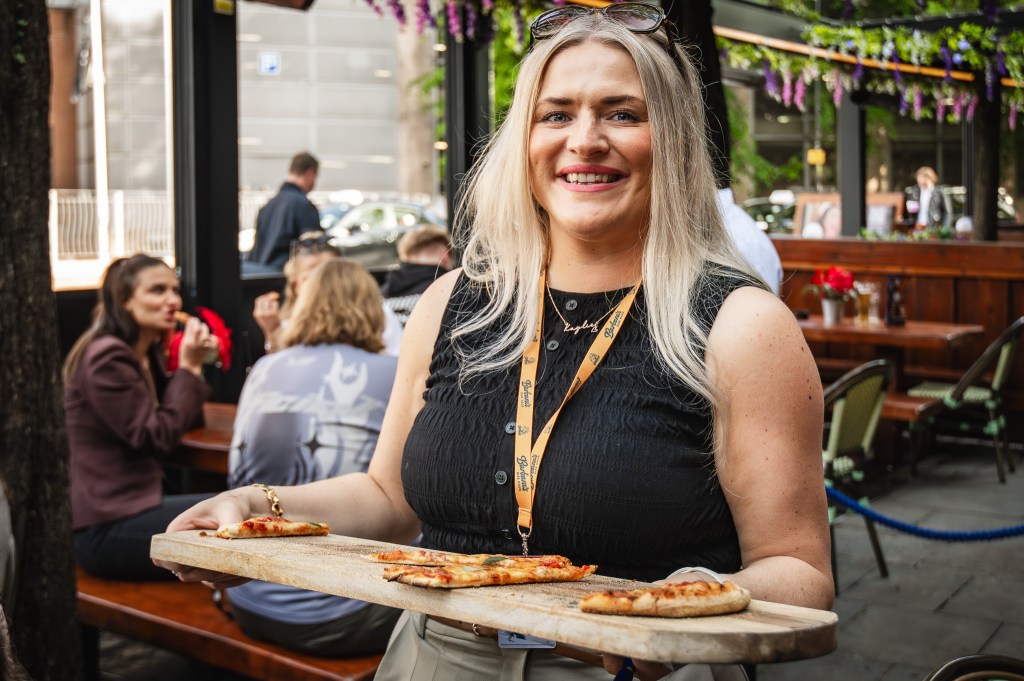
Connect Cardiff at Barbara’s Bier Haus was first. A warm, well-organised evening where I reconnected with Sian from Utilita Arena Cardiff, who mentioned the possibility of shooting concerts there. I also met Hannah, founder & event host Beyond the business card who extended a camera-welcome invitation to a future events.
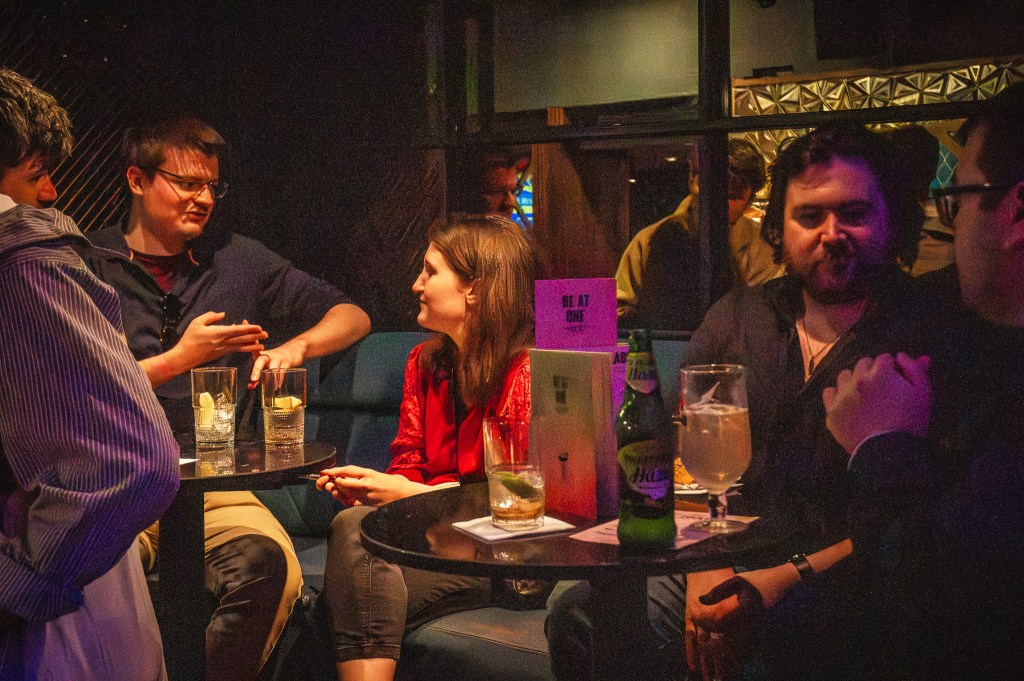
Then Cardiff Film and TV Networking at Be At One, a different crowd entirely, but I reconnected with Lisa Marie Brown who organises Wales Goes Fast & Furious on the last May weekend in Cardiff. Creative, curious, connected to the screen industries. A reminder that event photography does not exist in a single world. It crosses into film, television, music, sport, hospitality, charity, and everything in between.

Networking gets a bad reputation. Too many name badges, not enough substance. But the right rooms, the ones where people are genuinely curious about each other, are where the interesting things begin. I came away with new contacts, new possibilities, and the particular kind of tired that only comes from a very good evening.

Kingsway Market, Three Clients, One Night, One Camera, 2am

The final set piece of May was the opening night of Kingsway Market in Newport. I shot simultaneously for Voice magazine, South Wales Argus, and Kingsway Centre itself.
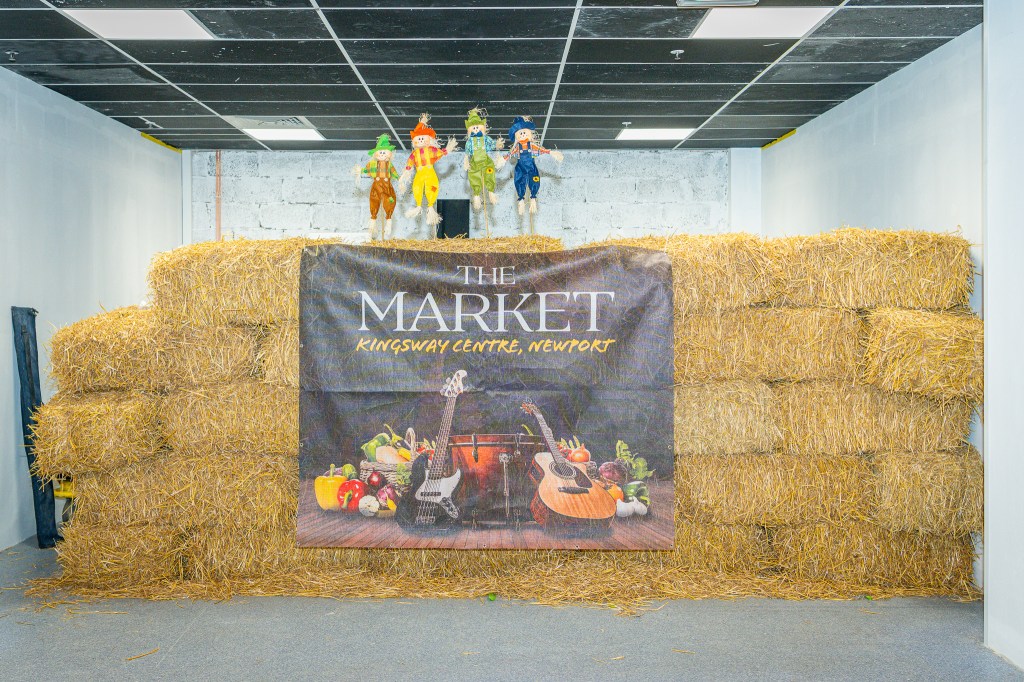
Not every stall was filled. Not every corner was finished. The paint was barely dry in places. And yet the atmosphere was already completely there. Welcome drinks and goodie bags at the entrance. A coffee cart outside doing excellent business. A mechanical bull that attracted considerably more volunteers than anyone expected. A tractor that became an impromptu photo booth. Live music that made people forget they were standing in a converted retail space and start dancing.
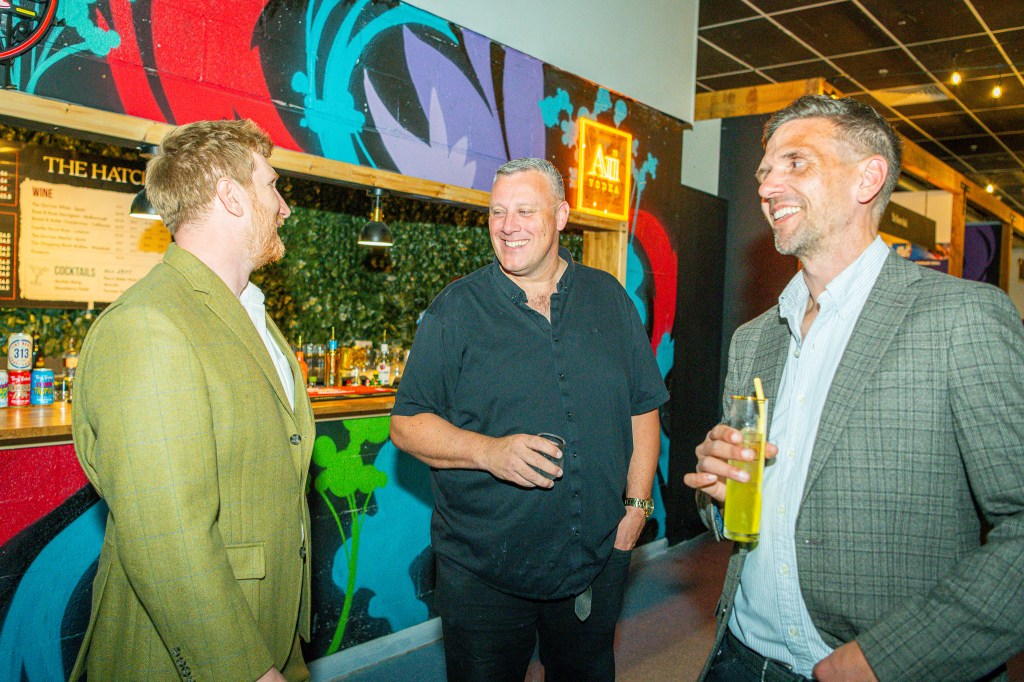
Covering three clients in one shoot requires a particular kind of discipline. Each client has different needs, editorial storytelling for the magazine, news photography for the newspaper, brand and atmosphere content for the venue itself. You are not shooting one brief, you are shooting three simultaneously, constantly assessing which frame serves which purpose while never losing sight of the overall story.

I delivered the images at 2am. Some things cannot wait until morning.

What May Taught Me

May was a month of extremes. Extreme early starts and extreme late finishes. Extreme emotional highs, both personal and professional. Extreme technical demands and extreme human rewards.

It taught me that preparation is the closest thing to magic that exists in this industry. That the right equipment, properly tested before you need it, quietly removes the obstacles between you and the work. That agency relationships, built slowly and with genuine care, compound into something extraordinary. That a mechanical bull at a market opening will always, always, get people on it.

And that sometimes the most important thing you can do for your photography is put the camera down for a weekend, go to Poland, and remember what it feels like to be fully alive in a room full of people you love.

June is already looking bigger. A third consecutive Credit Week. More evenings with ACF Events. Fast cars. And whatever else decides to arrive between now and the end of the month.

Bring it on.
52 Alpacas, One Hill, and Why I Nearly Forgot to Take Photos

#event

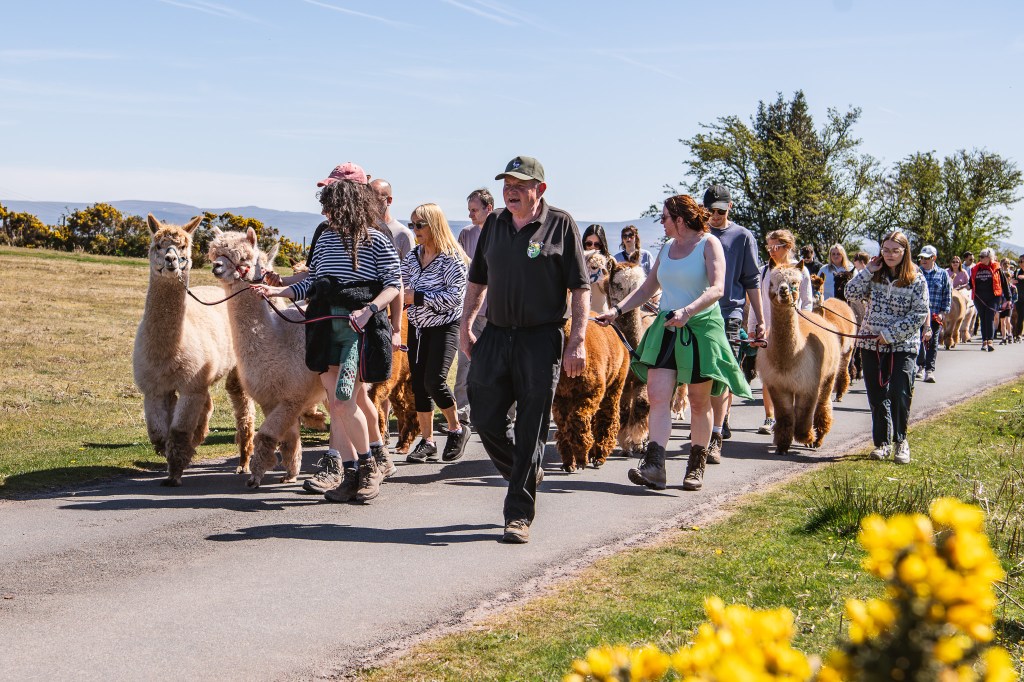
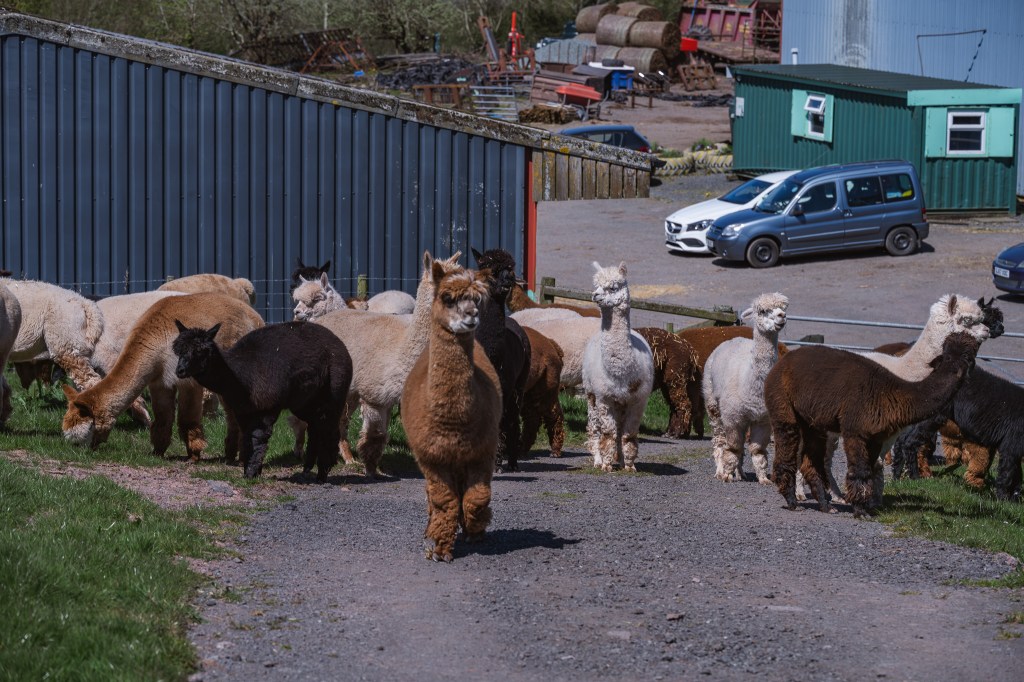
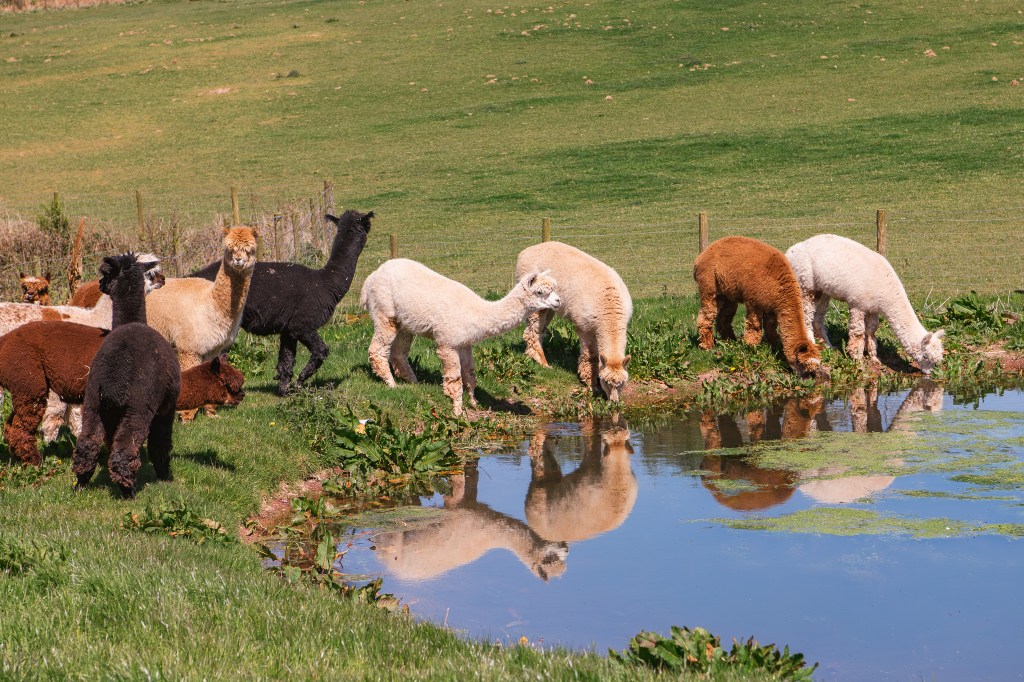
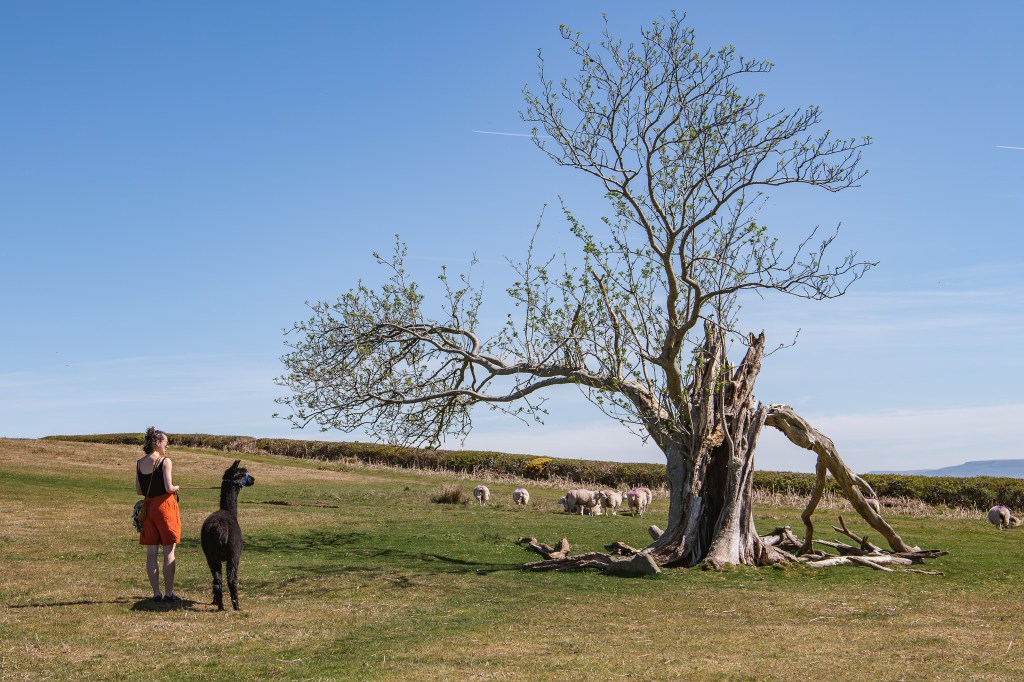
Last Saturday I packed my cameras, a Nikon D850 and a Z7II, and drove to the Bannau Brycheiniog National Park. My assignment: photograph Alpaca My Boots farm for Voice magazine. What I did not pack was any expectation of what was about to happen.

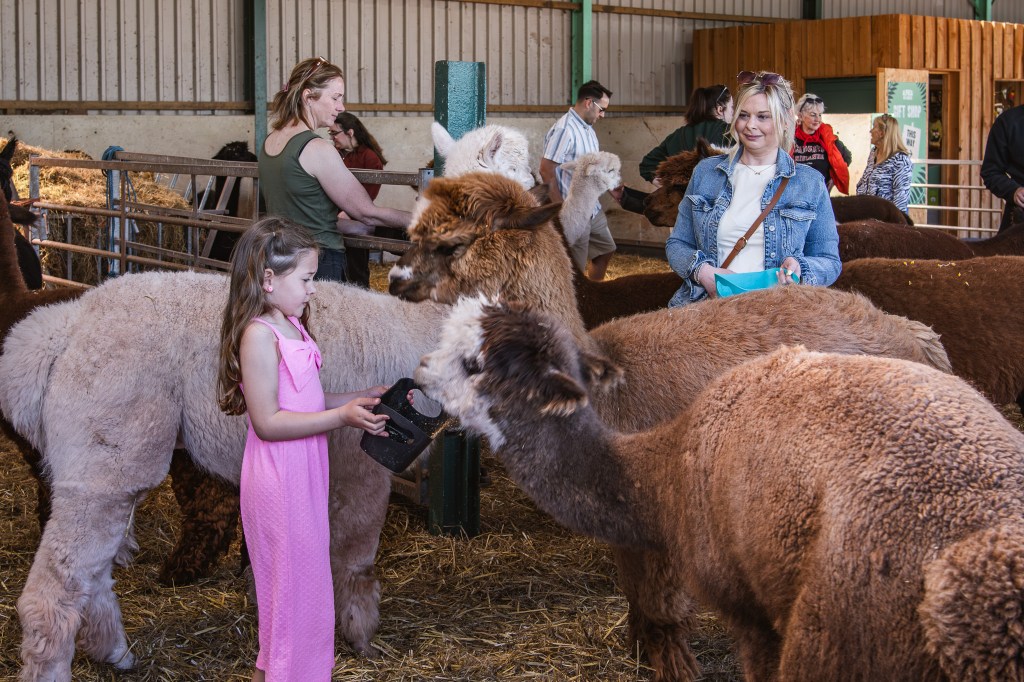
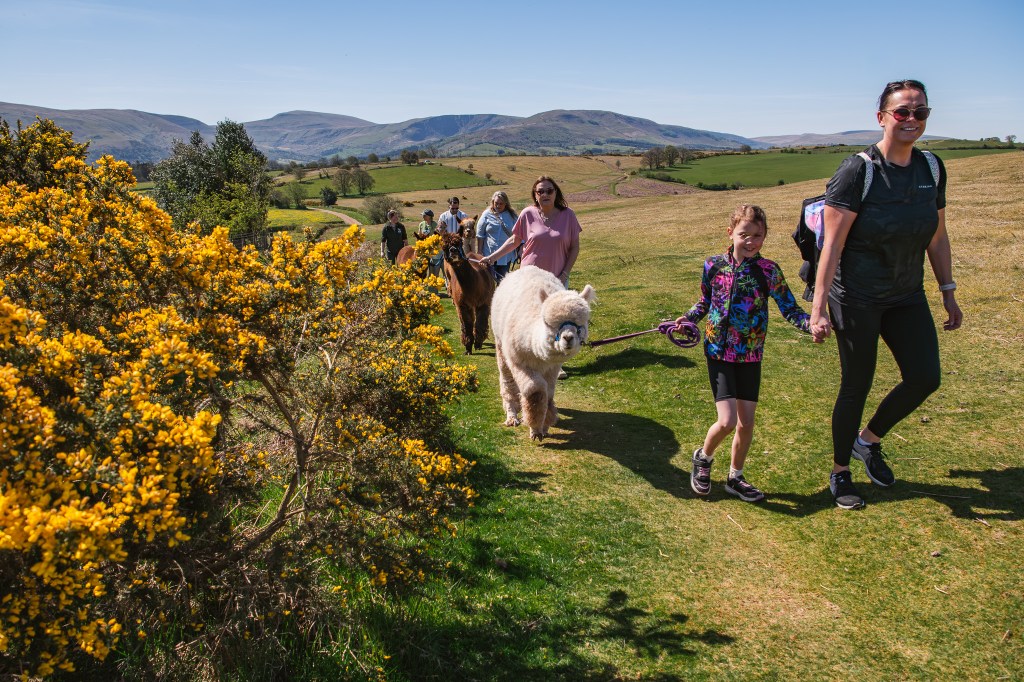
The alpaca experience at Alpaca My Boots is 90 minutes of something genuinely different. It begins with a meet and greet, where you learn some wonderful and slightly ridiculous fun facts about these creatures. Then comes the trek, approximately 50 minutes at a gentle pace that works for most ages and abilities, up through the hill with views that make you stop mid-sentence. At the end you feed the alpacas before heading to the gift shop, where it is apparently very difficult to leave without an alpaca-shaped souvenir. I speak from experience.

What surprised me most was not the landscape, as breathtaking as it was. It was the alpacas themselves. Each one a distinct character. Reg, for example, used to be a herd leader. Now he is not, and he seems entirely at peace with that. There is something quietly profound about watching an animal find its place and simply get on with it. The farm guide put it beautifully: “a lot of our suffering comes from not having boundaries.” These animals live that truth without effort. They pause when they want to pause. They stop and take in the view. They occasionally lose their temper and spit, but honestly, who among us hasn’t. They have a gentle strength that comes through in their posture, their pace, their complete lack of pretence. Stoic, adaptable, patient and surprisingly moving company for a Saturday morning.

The Photography, Honestly, One of the Most Challenging Shoots I Have Done

I shoot corporate events for a living. Conferences, awards ceremonies, gala dinners, environments where I control my position, anticipate the schedule, and know more or less what is coming next. An alpaca trek through the Brecon Beacons is none of those things. And I mean that as the highest possible compliment.

I had two cameras with me, my Nikon D850, a workhorse of a camera that I trust completely in unpredictable conditions, and my Nikon Z7II, a mirrorless body that gives me extraordinary detail and the kind of autofocus performance that matters when your subject is a sentient, opinionated animal with absolutely no interest in your shot list. Between them I was running a 24–70mm f/2.8 for the wider environmental shots, the group walking the hillside, the landscape, the candid human moments and a 70–200mm f/2.8 for the portraits, the close-up character studies, and the moments when an alpaca decided to do something extraordinary from forty metres away.

Switching between the two constantly while also moving through a group of people and animals on a hillside is, to put it plainly, a workout. Not just physically, though it is that too, but mentally. Every time I changed position I had to reassess the light, recheck my settings, decide which lens served the moment, and get the shot before it disappeared. There is no second chance with a candid moment. There is no “could you do that again please.” There is just the moment, and whether you were ready for it.

The light was the real battle. The Bannau Brycheiniog sky that morning was spectacular, deep blue, high contrast, the kind of light that looks extraordinary in the landscape and absolutely brutal for a photographer trying to expose correctly for both a bright white alpaca and a dark-coated one standing next to each other in the same frame. The dynamic range was punishing. In open sunlight the shadows went deep and the highlights threatened to blow out completely. In the shaded sections of the trek the opposite problem soft, flat, beautiful for portraits but losing all the drama of the landscape behind.

My approach was to stay in manual exposure throughout, using the Nikon D850’s metering as a guide but trusting my eye to make the final call. I was shooting RAW on both bodies, non-negotiable for this kind of shoot where the editing room is where you recover the detail the camera could not hold in a single exposure. I kept my ISO as low as the conditions allowed, pushing up only when the shade demanded it, and relied on the aperture to keep my shutter speed high enough to freeze motion because alpacas, despite their apparently serene demeanour, move with surprising speed and unpredictability when they decide they want to be somewhere else.

The group itself added another layer of complexity. When you are photographing a corporate event, people tend to stay relatively still, they are listening to a speaker, sitting at a table, networking in a predictable social pattern. A group of people walking with alpacas on a hillside moves like a living organism. It contracts and expands, clusters and spreads, stops and surges forward. Finding the angles that showed both the people and the animals authentically, without turning it into a chaotic snapshot, required constant movement, constant anticipation, and a willingness to abandon the shot I thought I wanted in favour of the one that was actually happening.

The autofocus on the Z7II was invaluable for the portrait work. Eye-detection autofocus on an alpaca is, I can confirm, a genuine thing that works, and it is slightly magical to watch. The camera found their eyes faster than I could, locked on, and held, which freed me to concentrate on the expression, the moment, the composition, rather than the technical act of focusing. That is what good equipment should do. Not replace your eye, but free it.

By the end of the trek my legs knew about the hill and my brain knew about the light. It was the kind of shoot that reminds you why you chose this job: unpredictable, demanding, alive. Every technically difficult shoot makes you a better photographer for the next one. I came away with images I am genuinely proud of, and a much deeper respect for wildlife and editorial photographers who do this every single day.

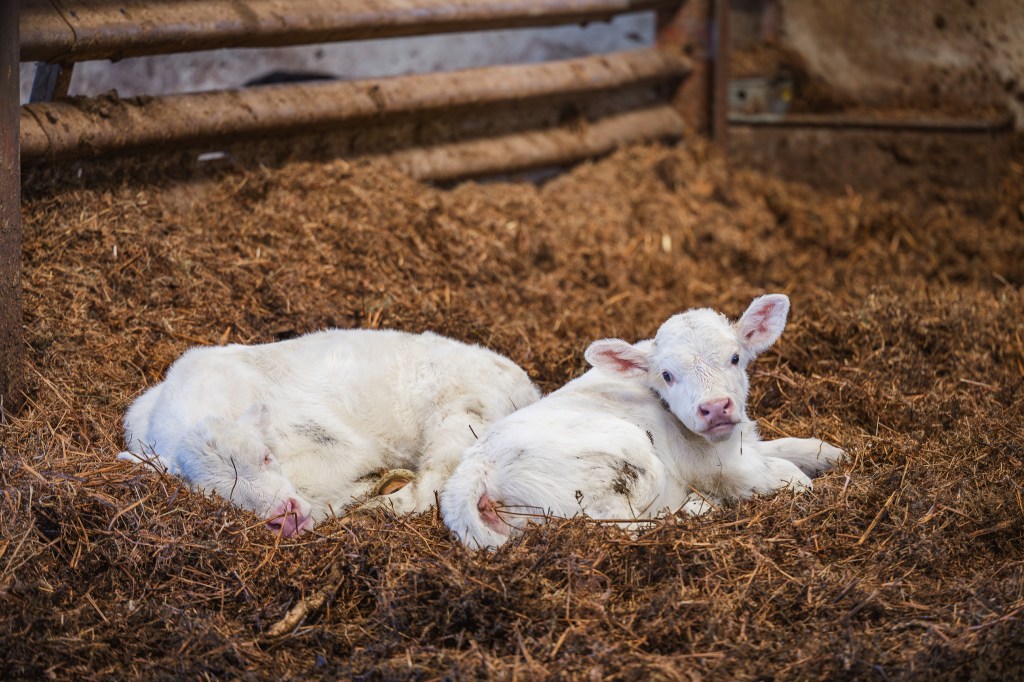
And then the cows. Nobody mentioned the cows. Leah and I wandered into the barn at the end and there they were, mothers and newborn calves, quiet and warm in the hay. Cows are my favourite animal. So strong, so gentle, so careful with their trust. I may have stood there longer than was strictly professional. The Z7II came back out. I could not help it.

Alpaca My Boots is open for treks throughout the week, seven sessions, with two each day on weekends, plus Mindful Wednesday sessions designed to slow the body and settle the mind. Pre-booking is essential and all treks start at 11am. The farm is also perfectly suited for team building and company away days, a genuinely memorable experience that gets people out of the office and into something real together. If you are an event organiser or a company looking for something different, I would happily photograph it.

📍 Bannau Brycheiniog National Park, South Wales 📸 Shot for Voice magazine 🦙 alpacamyboots.co.uk

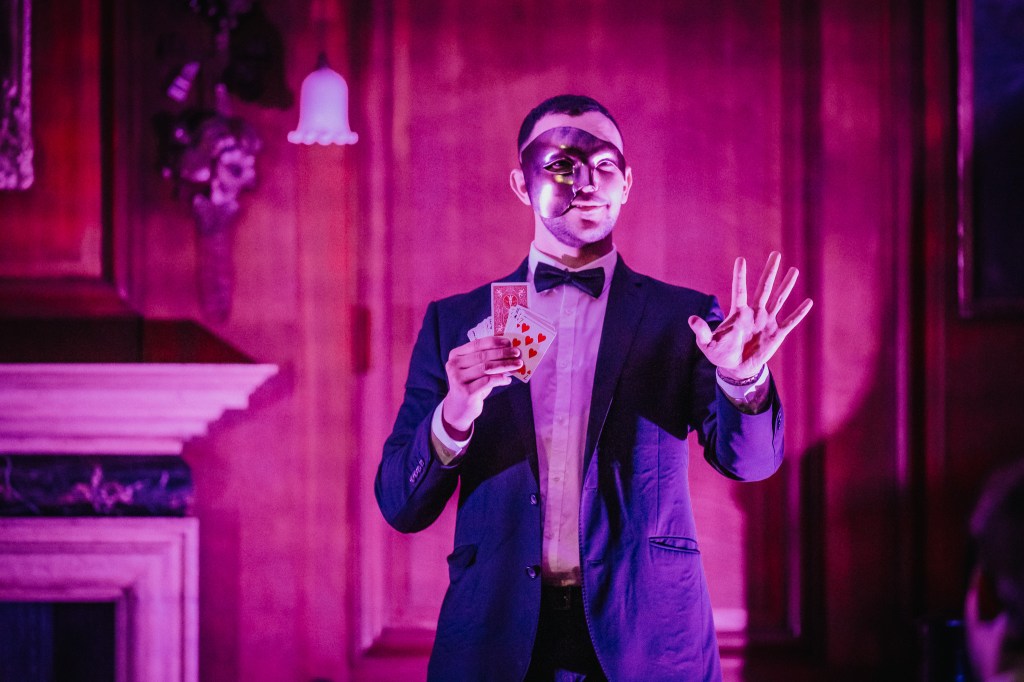
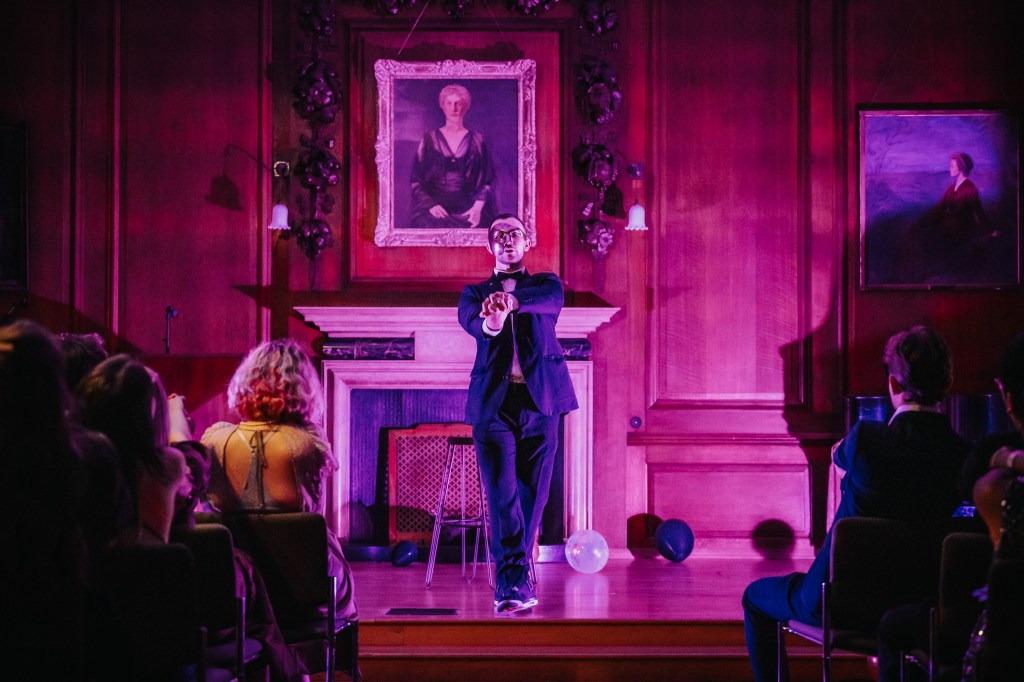
Capturing Enchantment: Photographing Magicians at Events and Wedding Parties

#event

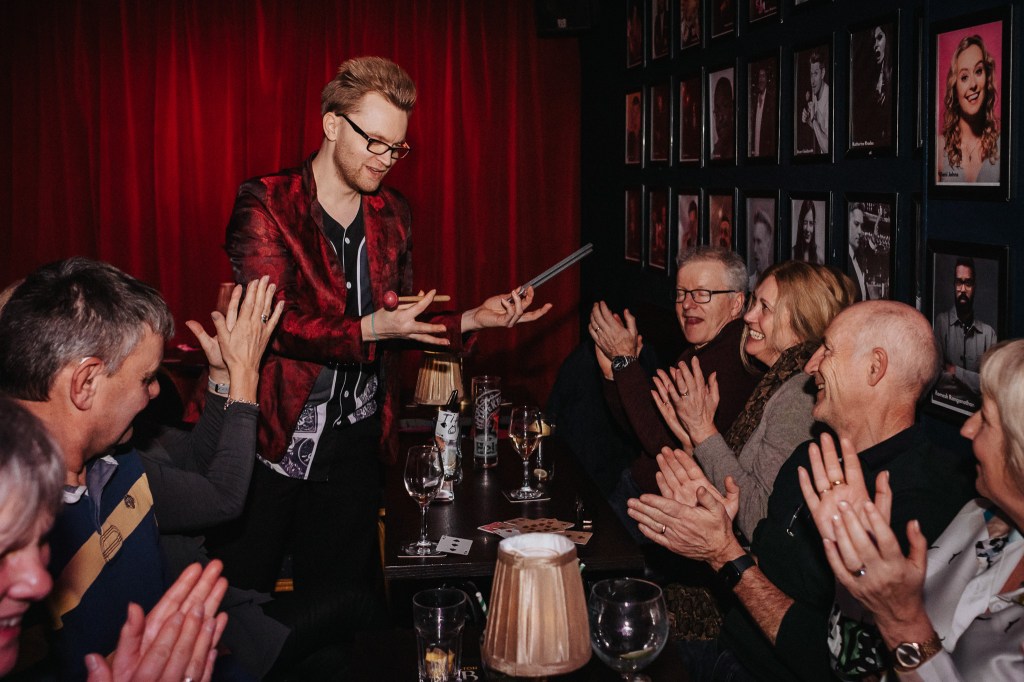
Setting the Stage Magicians have an extraordinary ability to captivate audiences with their mind-bending tricks and illusions. Whether it’s a grand event or an intimate wedding celebration, their performances add an element of wonder and excitement that leaves everyone amazed. As a photographer, capturing these magical moments requires a unique approach that combines technical skill with an understanding of the magician’s craft. In this article, I will delve into the art of photographing magicians at events and wedding parties.

Magicians

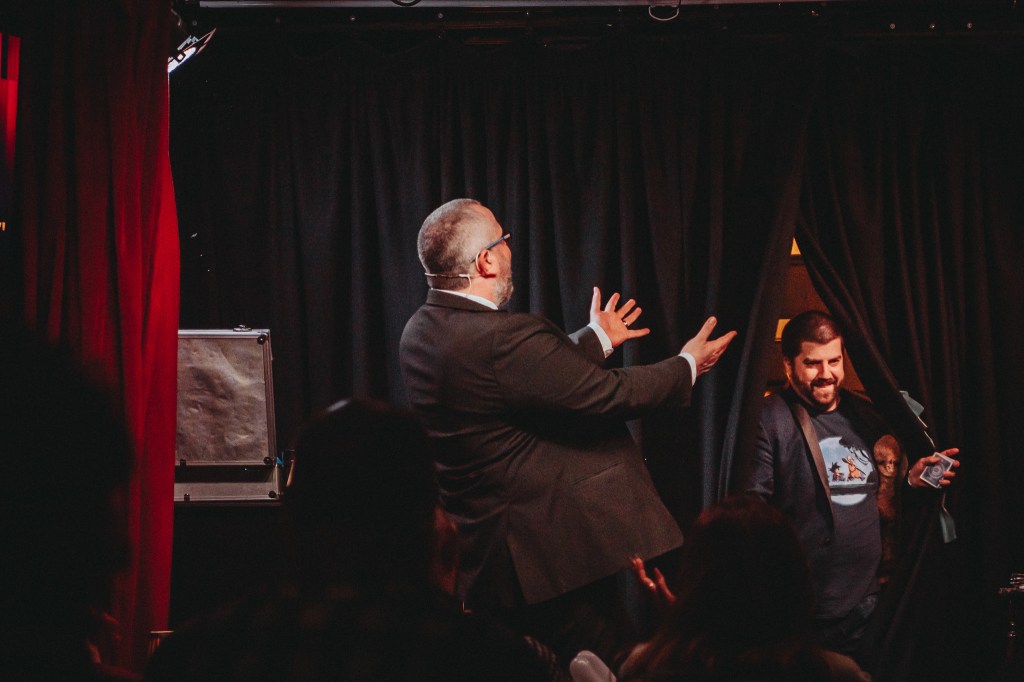
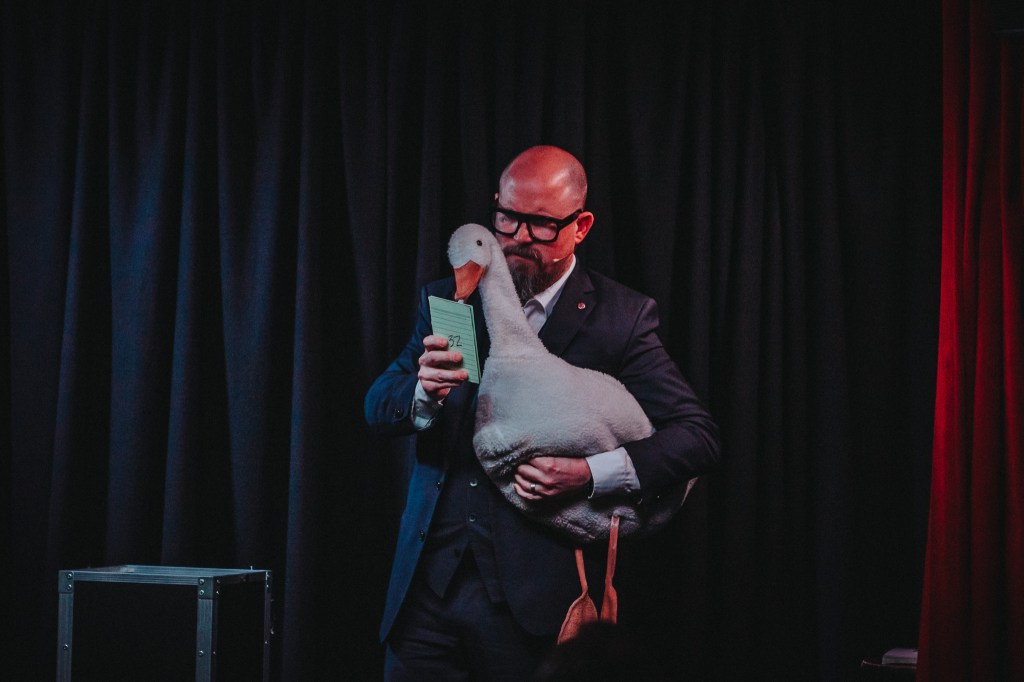
Bower Magic, known for his mesmerizing tricks and spellbinding illusions, brings a sense of awe to every event and wedding he attend. From making objects disappear into thin air to mind-reading feats that leave the audience astounded, Bower Magic’s performances are truly a sight to behold.

Smoked and Mirrors, a renowned group of illusionists and tricksters in center of Bristol, brings a sense of awe to every event and wedding they attend. From grand stage productions to intimate close-up magic, Smoked and Mirrors’ performances are truly a sight to behold.

Photographing the Unseen
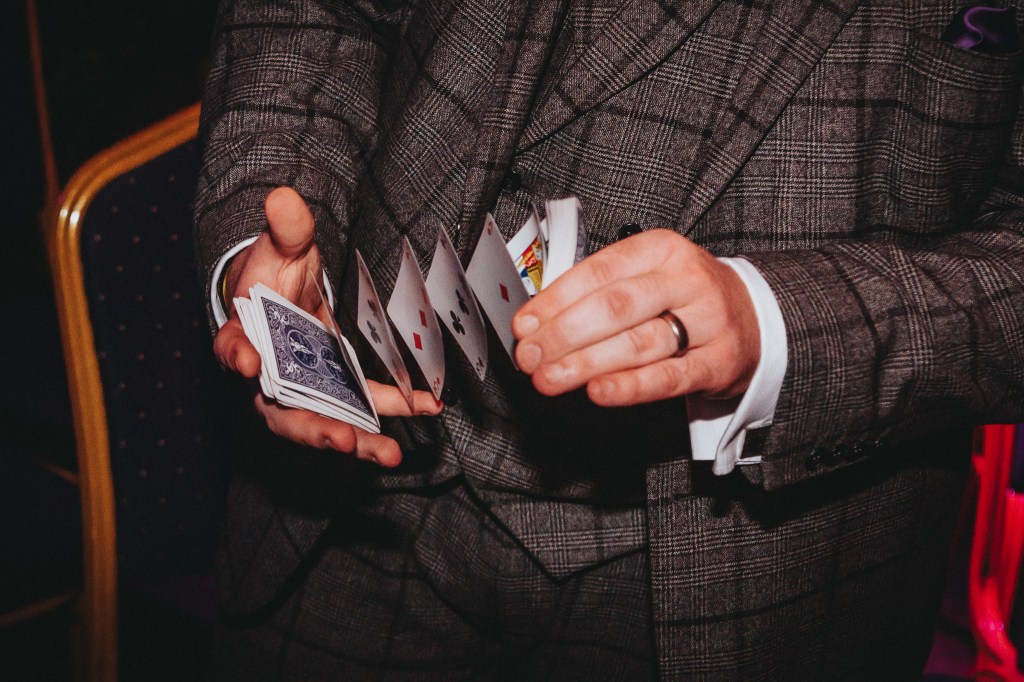
Photographing magicians requires a keen eye for detail and an ability to anticipate the unexpected. Bower Magic’s tricks often involve swift movements and intricate handwork, making it essential for the photographer to be ready to capture those fleeting moments. Utilizing a fast shutter speed and continuous shooting mode can help freeze these split-second actions, ensuring that no magical moment goes unnoticed.

Understanding Lighting
Lighting plays a crucial role in enhancing the enchantment of a magician’s performance. Magicians often use dramatic lighting to create an otherworldly atmosphere, and as a photographer, it’s essential to adapt to these lighting conditions. I can truly say am expertise lies in mastering various lighting scenarios, from dimly lit stages to well-lit wedding venues, ensuring that each shot beautifully showcases the magician’s craft.

Candid Emotions
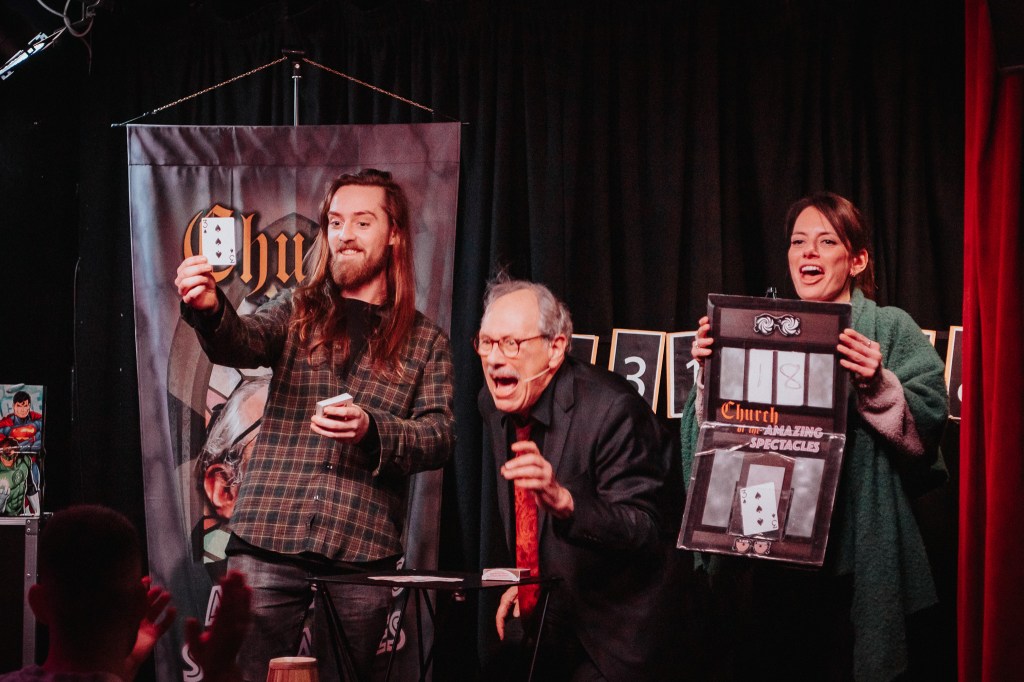
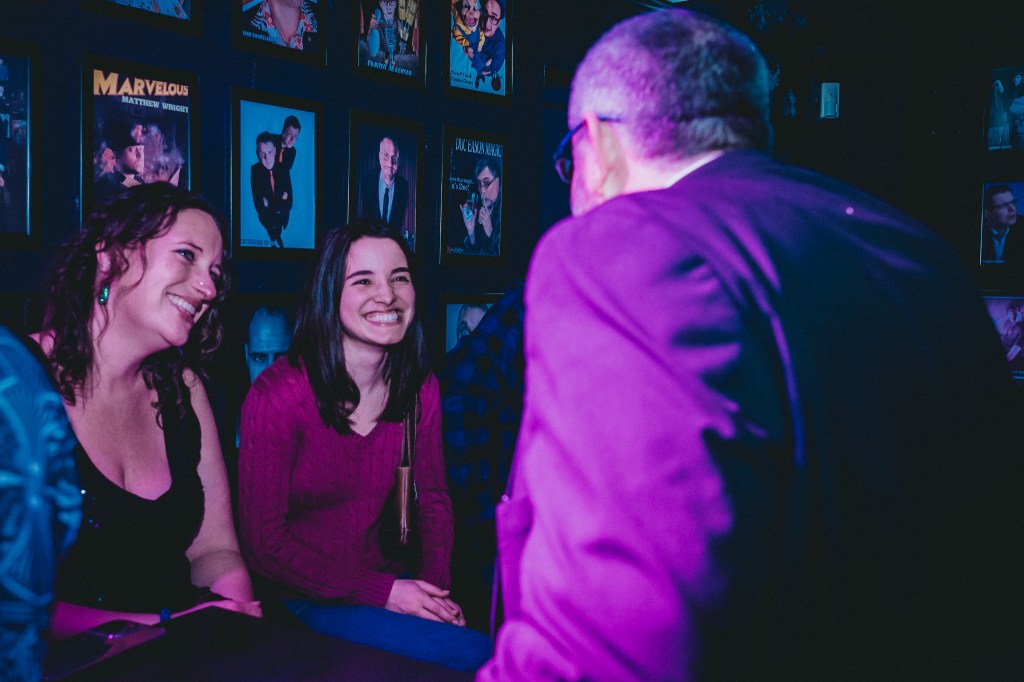
Beyond the magic tricks, photographing magicians at events and wedding parties offers a unique opportunity to capture candid emotions. The looks of astonishment, laughter, and wonder on the faces of the audience add depth to the story being told through the lens. I excels in candid photography, skilfully capturing the genuine reactions that unfold during magic performances.

Composition and Framing
Composition is key to capturing the essence of a magician’s act. Utilizing creative angles and framing techniques can highlight both the magician’s movements and the audience’s reactions. Whether it’s a wide shot showcasing the magician’s stage presence or a close-up of their intricate hand gestures, I am doing everything to employ a variety of compositional techniques to tell a compelling visual story.

Preserving the Magic
Photographing magicians is not just about documenting the tricks; it’s about preserving the magic and wonder of the moment. The synergy between magic performances and my photography expertise ensures that each photograph tells a story that transports viewers back to the enchanting atmosphere of the event or wedding party.

Collaboration with Licklist In the world of event photography, partnerships are essential. Working closely with Licklist has opened doors to a diverse range of events, allowing me to capture a wide spectrum of moments that define the event experience. This collaboration has provided me with the privilege of photographing not only the captivating performances of magicians like Smoked and Mirrors but also the vibrant energy and atmosphere of the events themselves.

To Sum Up
Photographing magicians requires a multifaceted approach, blending technical finesse with artistic creativity. Whether you’re capturing Bower Magic’s card acts or Smoked and Mirrors’ elaborate illusions, understanding lighting, candid emotions, and effective composition will ensure that you capture the essence of each performance. Capturing the spellbinding performances of magicians at events and wedding parties requires more than just technical prowess—it demands an appreciation for the magic that unfolds before the lens. Through my lens and the collaboration with Licklist, these magical moments are immortalized, allowing the wonder, awe, and joy to be relived by both the audience and the couples who include enchantment as a part of their special day. So, the next time you witness a magician’s act, remember that behind every captivating photograph is a photographer dedicated to preserving the magic.

Share Your Magical Moments Have you captured enchanting moments during magician performances or other special events? I would love to hear about your experiences and see your captivating photographs! Share your stories and images in the comments below and let’s celebrate the art of capturing magic together.

Photographing Fire Performance

#event, wedding day

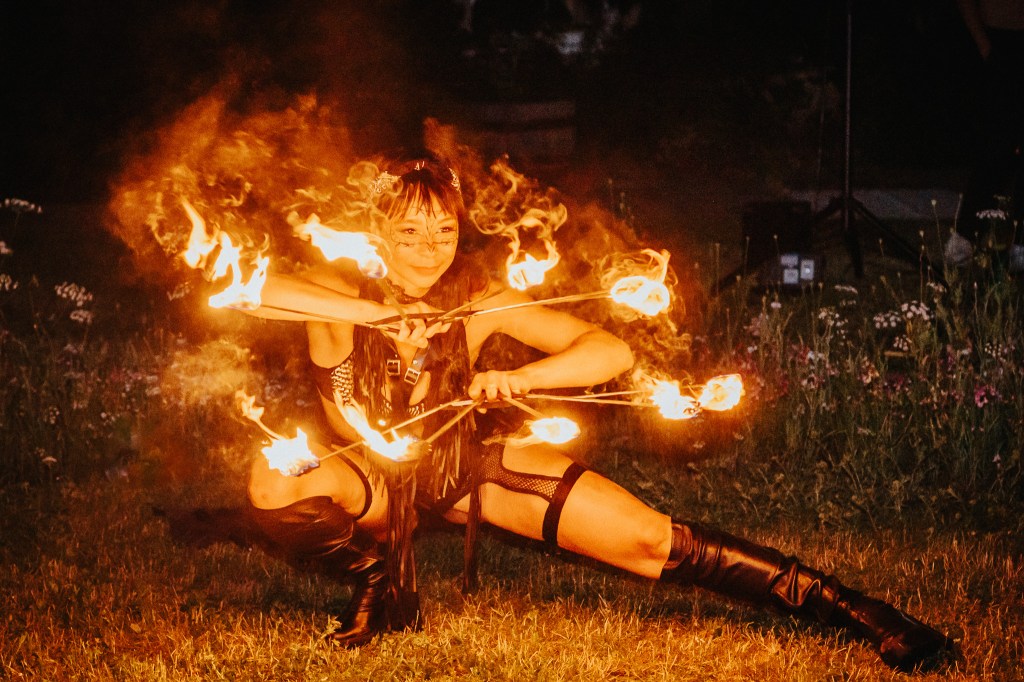
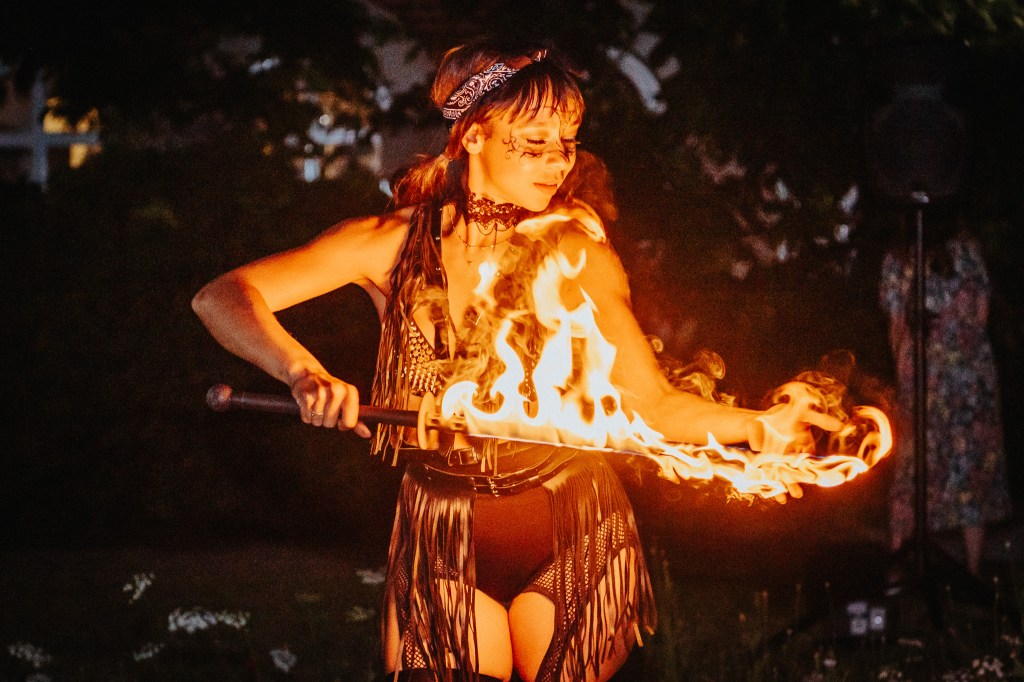
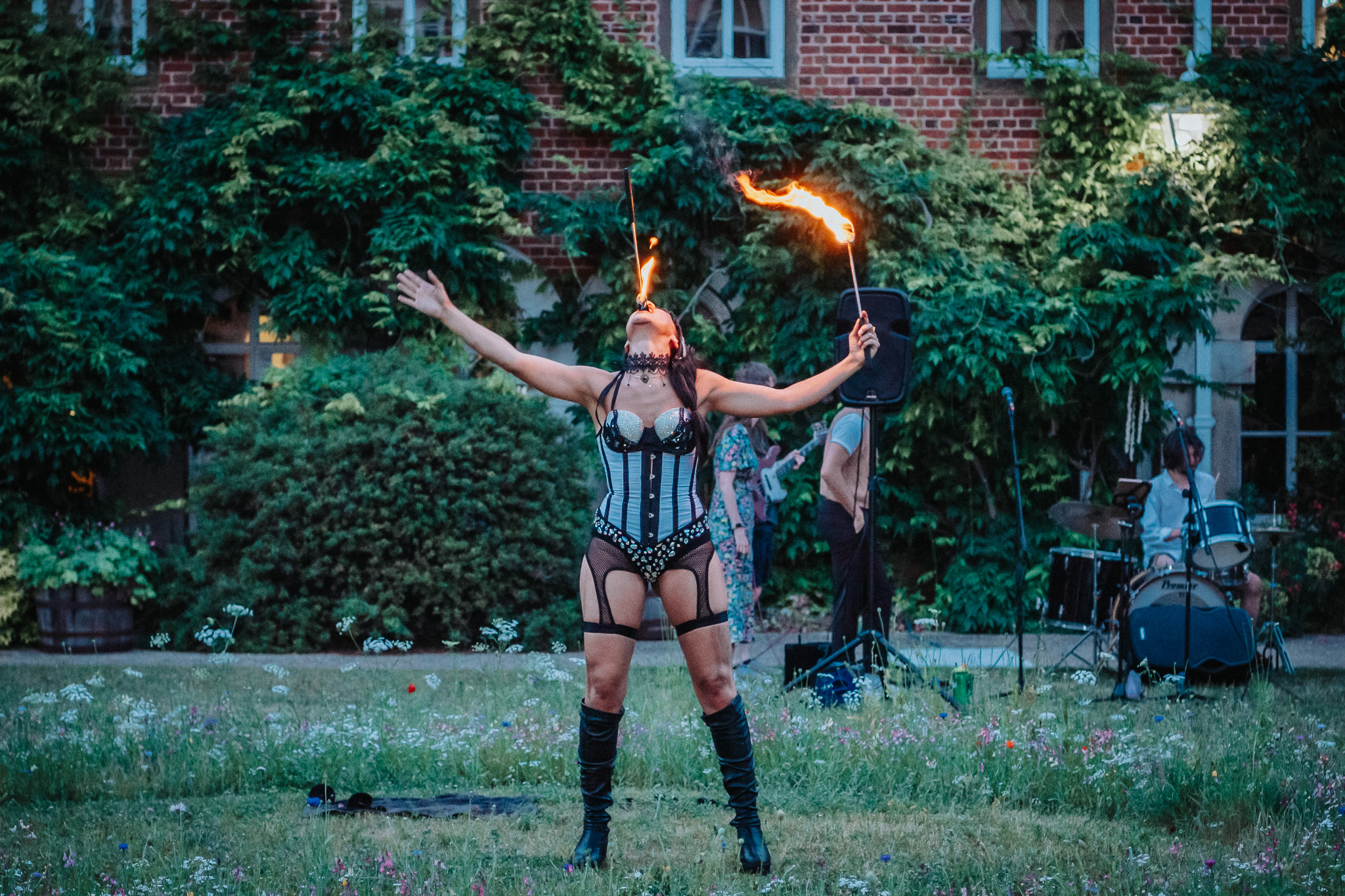
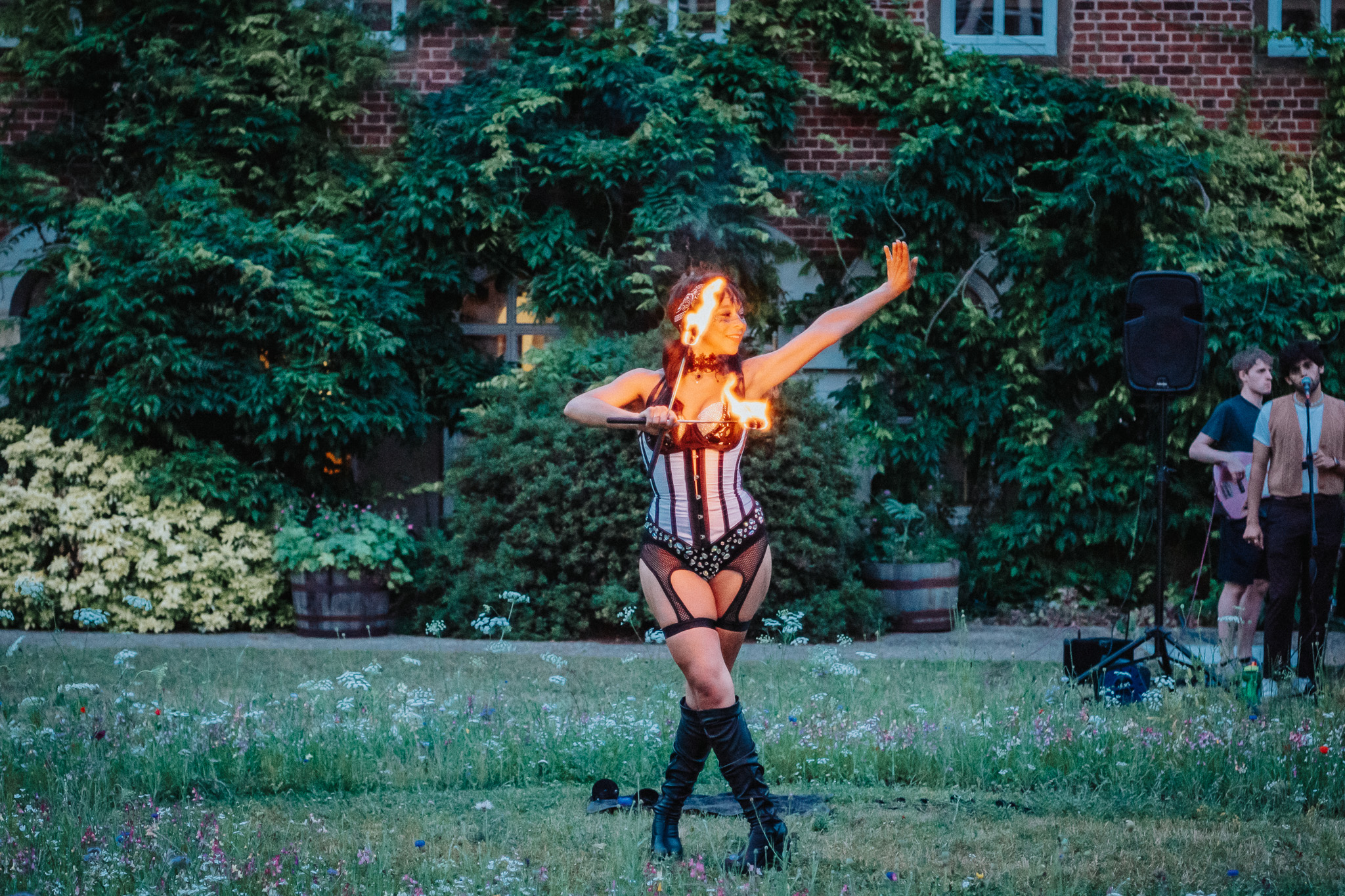
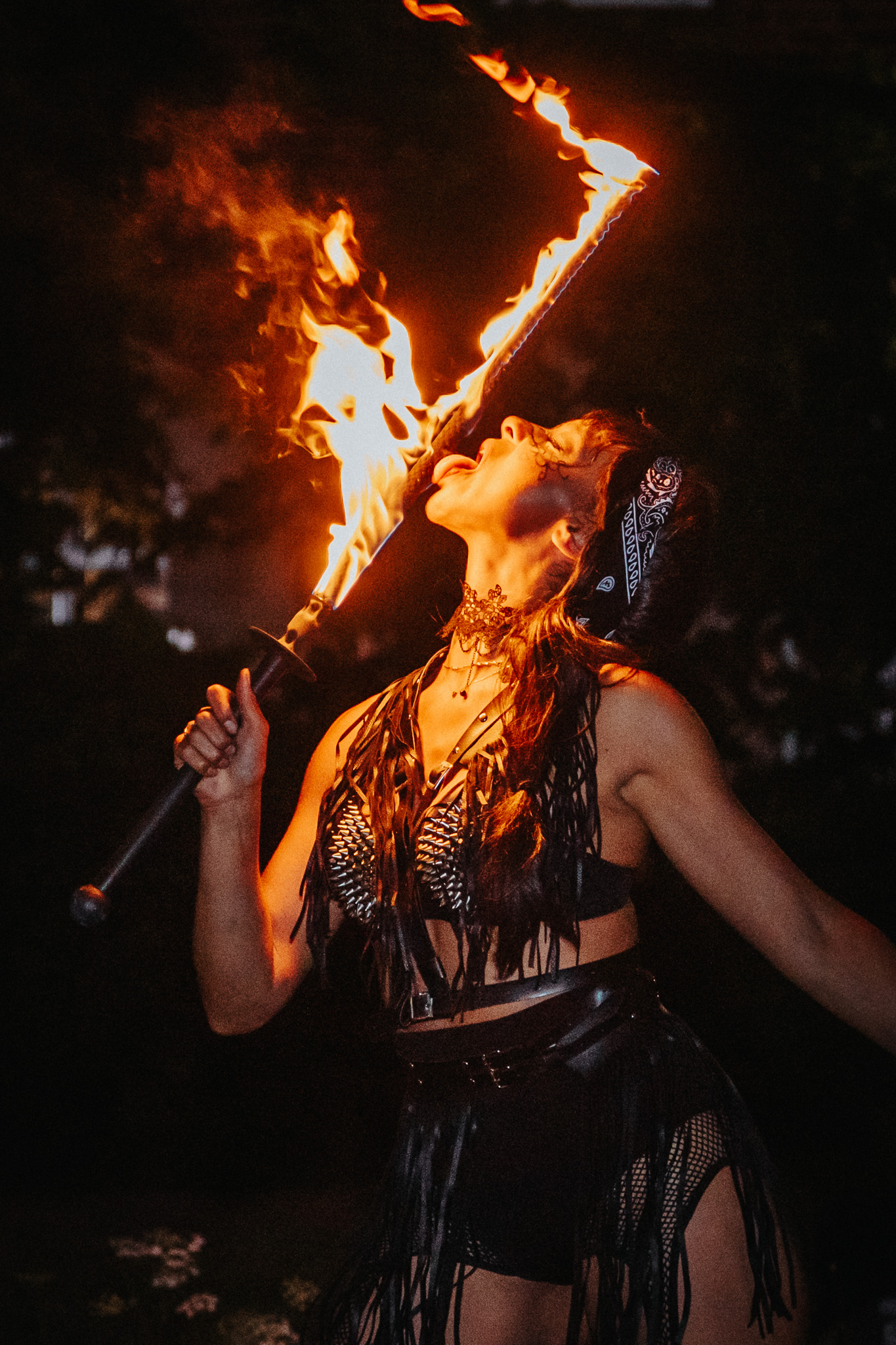
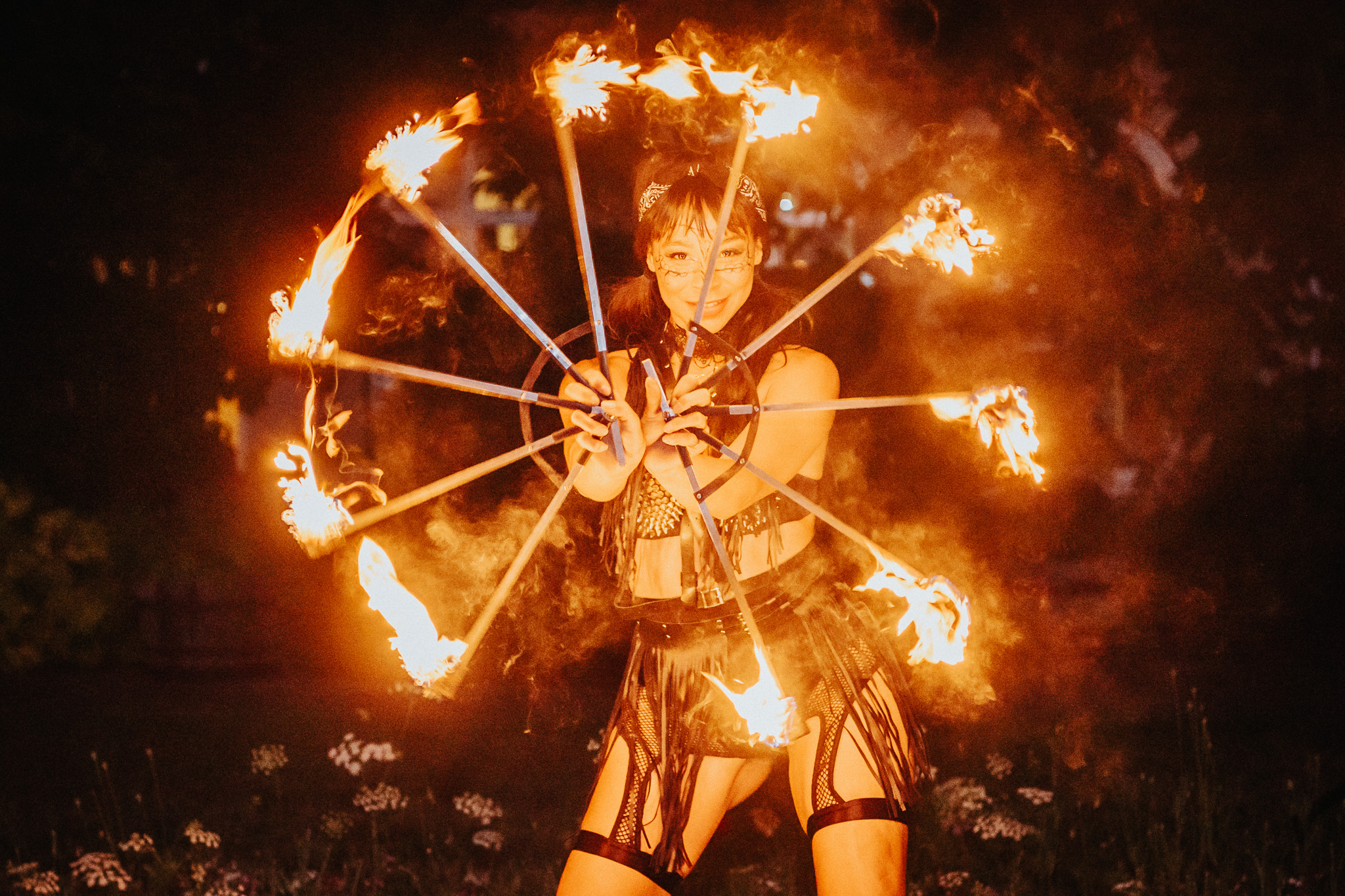
I met Yasmin Chadwick at the event I was photographing. The combination of the night and fire is magical and my favourite, but those shows can happen any time of the day. Perfect idea to entertain your guests during a wedding party or any other type of celebration. Fire is offering endless creative opportunities. Not only can beauty be found in the flames themselves, but they also bathe the surroundings in wonderful warm light. Photographing fire performances, such as fire dancing or fire breathing, can be both challenging and exciting. These performances often involve fast and dynamic movements, making it important to capture the energy and intensity of the fire.

Here are some tips to help you capture stunning photographs of fire performances:

  1. Communicate with the performer: Before the performance begins, have a conversation with the performer to understand their routine, movements, and any safety considerations. This will help you anticipate their actions and capture the most captivating moments.
  2. Use a fast lens: Fire performances are often held in low-light conditions or at night, so having a lens with a wide aperture (low f-stop number) will allow you to capture more light and maintain faster shutter speeds. A lens with a focal length of around 50mm to 85mm is versatile for capturing both close-up shots and wider angles.
  3. Choose the right camera settings:
    • Set your camera to Manual mode (M) for full control over the exposure settings.
    • Use a higher ISO setting (e.g., ISO 800 to 1600) to compensate for the low light conditions. Keep in mind that higher ISOs may introduce some noise, so find the right balance for your camera.
    • Select a wide aperture (low f-stop value) to allow more light into the camera and achieve a shallow depth of field, isolating the performer from the background.
    • Start with a faster shutter speed (e.g., 1/250th of a second or faster) to freeze the motion and capture sharp images of the fire. Adjust your shutter speed as needed to accommodate the speed and movement of the performance.
  4. Use burst mode: Fire performances involve fast movements, so using your camera’s burst or continuous shooting mode can increase your chances of capturing the perfect moment. This way, you can capture multiple frames in quick succession and choose the best shots later.
  5. Pay attention to composition: Compose your shots carefully to capture the energy and grace of the performer. Experiment with different angles, perspectives, and framing techniques to create dynamic and visually appealing images. Consider using the rule of thirds or leading lines to create a more balanced and engaging composition.
  6. Focus on the performer’s eyes: The eyes are often the most expressive part of the performer’s face. Try to focus on their eyes to capture their emotions and intensity during the performance. If autofocus struggles to lock onto the subject due to the fire, switch to manual focus for more control.
  7. Capture the fire trails: Fire performances involve swirling, spinning, and waving of fire props, which can create captivating fire trails. Experiment with longer shutter speeds (e.g., 1/15th of a second or slower) to capture the motion blur of the fire trails. Combine this with a steady hand or tripod to avoid camera shake.
  8. Use creative lighting techniques: Fire performances often have their own ambient light sources. Experiment with the available light and try using long-exposure techniques to capture the movement of the performer with the fire trails in the frame. This can create dynamic and artistic images.
  9. Post-processing: After capturing your fire performance photos, use photo editing software to enhance the images. Adjust the exposure, contrast, and colour balance as needed to bring out the details and create a more impactful image. Be mindful not to over process the images, keeping the authenticity and atmosphere of the performance intact.

Remember to respect the performer’s space and prioritize safety during the fire performance. Also, ensure that you are adhering to any regulations or guidelines related to photography at the event.