It was about positioning, consistency, and human connection.
As a business and event photographer based in South Wales (and regularly working all over UK), this month quietly connected so many pieces of what I’ve been building for years.
From networking events in Bristol to press openings, wedding showcases, industry trade shows and even Venice Carnival; February was layered. And more importantly, it was strategic.
Networking at M Shed, Bristol Where Conversations Turn Into Bookings
The month began with hospitality networking at M Shed in Bristol.
Networking is often underestimated. It doesn’t look dramatic. There’s no spotlight. No stage.
But this one mattered. It brought:
• New industry connections • Conversations with event professionals • A confirmed event session for June
That’s the power of showing up consistently as an event photographer. If you want to work with organisers, agencies and venues, you have to be visible in the rooms where decisions are made.
For me, networking in Bristol wasn’t about selling. It was about listening. Understanding what venues need. Understanding what organisers struggle with. Understanding how photography fits into their event strategy.
That evening reminded me that referrals and relationships are still the backbone of the event industry.
In the middle of corporate and press coverage, I travelled to Venice for Carnival. While not a commercial assignment, this trip was still part of my professional growth. Carnival in Venice is theatre. Costumes. Masks. Textures. Light. And what I noticed most? Even in a purely creative environment, I observe like an event photographer.
I see:
• How staging influences perception • How crowd flow affects composition • How lighting defines emotion
Creative exploration feeds commercial work, and I believe investing in artistic growth directly strengthens my event photography portfolio.
Raglan Golf Club Wedding Showcase – Strengthening Venue Relationships
Back in South Wales, I photographed the Wedding Showcase at Raglan Golf Club. Oaklands Barn looked stunning. Welsh Elegance Events styled beautifully, as always, but what stood out to me wasn’t just the styling. It was familiarity. This wasn’t my first time photographing there. Staff greeted me by name. Conversations were relaxed. I felt integrated, not introduced.
That’s positioning. When venues and wedding suppliers repeatedly choose you to document their showcases, it builds credibility. It builds trust and it strengthens your standing as a reliable wedding and event photographer in South Wales.
Voice Magazine Wedding Coverage – Seeing the Work in Print
One of the proudest moments this month?
The February edition of Voice Magazine featured extensive wedding collaboration coverage from Oaklands Barn, Welsh Elegance Events and Alexandra Bakes. Seeing my photography printed across multiple pages felt different. Not because of ego but because of evidence. Consistency pays off. That kind of editorial presence doesn’t happen overnight.
It happens through:
• Repeat collaborations • Professional delivery • Strong supplier relationships • Understanding what publications need
For event photographers, print coverage still matters. It communicates permanence and credibility.
Event Production Show, London – Understanding the Industry from the Inside
Then came the early morning decision. 3am alarm. 4am bus to London. ExCeL red carpet before 9am.
I attended the Event Production Show not as the official photographer, but as an industry professional observing the event production ecosystem. This was important.
If I want to work more closely with production teams and agencies across the UK, I need to understand:
• How suppliers position themselves • How stands are designed • How agencies sell services • Where photography sits within event production
I’ll admit, I over-imagined certain aspects. Trade shows are selling environments. Networking rooms are connecting environments. Once I understood that distinction, the day made sense. The structured networking sessions provided meaningful conversations with fellow event professionals. And that’s where the value was.
Il Fiore, Chepstow – Ending the Month Supporting Local Business
MKS/D750
February will close with photographing Il Fiore in Chepstow for Voice.
And that feels like a fitting conclusion. From London industry floors back to documenting local business. From production trade shows to community storytelling. That’s the range of event photography. Corporate. Hospitality. Weddings. Press. Industry. All connected.
The Bigger Picture: What February Taught Me About Event Photography
This month reinforced something important. Event photography isn’t just about taking pictures at events.
It’s about:
• Supporting marketing strategies • Strengthening supplier relationships • Documenting brand growth • Positioning yourself in the right rooms • Being visible even when you’re not hired
February was busy, not with volume, but with intention. It was a month of:
And that kind of month builds foundations. As an event photographer working across whole UK, I’m not just chasing bookings. I’m building positioning. March can bring whatever it likes.
So, February… honestly? You were worth it. On to March now.
As photographers and creative entrepreneurs, we often walk a fine line between passion and pressure. While chasing dream clients, building a brand, and striving to stand out in a saturated market, one key mindset shift can radically transform our journey: understanding the difference between expectation and hope.
MKS/D750
This might sound subtle, but in practice, the distinction can shape everything from how we handle rejection, to how we create, communicate, and grow. In this post, we’ll explore expectation vs. hope through the lens of photography, with real-world applications for business, creativity, and personal well-being.
What is the Difference Between Expectation and Hope?
Expectation
Expectation is a belief that something should happen. It often carries a sense of entitlement or certainty. When we expect something, we attach ourselves to a specific outcome and feel disappointed, frustrated, or even resentful if it doesn’t go our way.
In photography business terms: Expectation might look like assuming a client will book you because you had a great consultation, or believing a post will go viral because you used all the trending hashtags.
MKS/D750
Hope
Hope, on the other hand, is a desire for something to happen, coupled with the acceptance that it may or may not. It’s softer, lighter, and less controlling. Hope doesn’t demand; it wishes. Hope allows for openness, adaptability, and resilience.
In photography: Hope might be feeling excited about a pitch you sent to a travel brand, knowing it may lead to a collaboration, but being okay if it doesn’t because something else might be around the corner.
Why Does This Matter for Photographers?
In the world of freelance photography, managing your mindset can be the secret sauce to long-term success and creative fulfillment. Expectations can lead to stress and burnout. Hope fuels endurance, curiosity, and authentic connection.
MKS/D750
1. Client Interactions: Booking, Ghosting, and Follow-Ups
Photographers often spend hours building proposals, mood boards, and client communications. Naturally, we expect a return: a booking, a deposit, a “yes.”
But here’s the reality: People ghost. Budgets change. Priorities shift.
When we operate from expectation, a no-show or non-reply feels like personal rejection. We start doubting ourselves.
But when we approach with hope: “I hope this client sees the value in my work. If not, it’s not a reflection of my worth,” we stay grounded. We learn, adjust, and keep moving.
MKS/D750
2. Social Media: Engagement, Algorithms, and Validation
Instagram and TikTok are part of a modern photographer’s marketing toolkit. But they’re also emotionally loaded spaces.
We post, expecting likes, shares, and comments. We compare our reach and start tying our value to metrics. That expectation leads to burnout.
Shifting to hope might look like: “I hope this post inspires someone or connects me to the right person. If not, I still created something valuable.”
This reduces pressure and reignites joy.
MKS/D750
3. Creative Projects: Personal Work and Portfolio Building
Creativity thrives in freedom. But when we approach a personal project expecting recognition, publication, or virality, it becomes a performance. We censor ourselves, we hesitate, we burn out.
With hope, we pursue projects because they matter to us. We share because we want to connect, not impress. This authentic approach often does resonate — because it’s real.
MKS/D750
4. Long-Term Business Goals: Growth and Sustainability
Expectation: “If I hustle for two years, I deserve to be fully booked and financially secure.”
Hope: “I hope my consistent work leads to growth, but I know the path may zig-zag.”
Hope gives us the grace to weather slow seasons, evolve our niche, and find unexpected opportunities. Expectation turns the journey into a checklist with high-stakes pressure.
Real-World Examples from a Photography Career
Let’s put theory into practice. Here are real examples from the trenches of freelance photography:
MKS/D750
📸 A Corporate Event Shoot
You create a proposal for a corporate client. You’ve had two amazing meetings. You’re already mentally spending the fee.
Expectation: When they choose someone else, you’re crushed, and wonder, “What did I do wrong?”
Hope: You feel disappointed, but think, “That wasn’t meant for me. Let me follow up with the next lead.”
🌟 A Viral Food Photography Post
You styled and shot a beautiful series. You’re sure it will trend.
Expectation: It flops. You question your aesthetic. Maybe you’re not as good as you thought?
Hope: You remind yourself the algorithm is fickle. You still love your work. You post again tomorrow.
🚀 Pitching to Dream Clients
You reach out to Lonely Planet or a local tourism board. You feel it in your bones — this could be big!
Expectation: No response leaves you discouraged.
Hope: You trust your portfolio is growing stronger, and you pitch again, maybe even better.
Expectation vs Hope: Side-by-Side Comparison
MKS/D750
Aspect
Expectation
Hope
Emotional tone
Rigid, demanding
Flexible, open
Outcome attachment
Tied to one specific result
Allows multiple outcomes
Response to failure
Frustration, self-doubt
Acceptance, curiosity
Creative impact
Fear-driven, perfectionist
Freedom to experiment
Business resilience
Fragile – breaks when outcomes aren’t met
Durable – adapts and persists
Relationship building
Can create pressure or entitlement
Builds trust and patience
How to Cultivate Hope Over Expectation in Your Photography Career
MKS/D750
Set Intentions, Not Demands
Swap “I need this to happen” with “I’d love for this to happen, but I’ll be okay either way.”
Celebrate the Process, Not Just the Outcome
Share behind-the-scenes. Talk about what you learned. Let people into your creative flow.
Detach From Metrics
Focus on connection, not likes. Post what you love, not just what performs.
Diversify Your Income and Creative Outlets
Having multiple revenue streams or creative projects reduces pressure on any one thing.
Reflect Often
Journal about your wins, lessons, and growth. This grounds your hope in progress.
Final Thoughts: Lead With Hope, Not Expectation
MKS/D750
In both photography and life, expectation narrows our vision. Hope expands it.
As a photographer, you won’t always be booked solid. Not every pitch will get a reply. Not every image will trend. But if you lead with hope — grounded in effort, fueled by love for your craft — you’ll go further and feel better doing it.
Create. Share. Pitch. Repeat. Hope for the best, prepare for all outcomes, and know that every step is part of the story.
Because in this creative life, hope isn’t weakness — it’s your quiet superpower.
Hey there, photography enthusiasts! 🌟 Just so you know, this post contains affiliate links. Clicking on them won’t cost you a single extra penny, but it might help me earn a small commission to fund my next late-night photo adventure (and perhaps a cup of coffee or two!). Thanks for your support—you rock! 📸✨
Ever tried snapping a photo at dusk or indoors without much lighting, only to end up with a dark, grainy image that does not do the moment justice? You are not alone! Low light photography can be tricky, but it is also a fantastic opportunity to get creative and capture stunning images you would not achieve in broad daylight. Whether it is a cozy candlelit dinner, a lively concert, or a serene night landscape, low light conditions can add a magical touch to your photos.
But how do you make the most of these dimly lit scenes without ending up with a blurry mess? Grab your camera and let us dive into five expert tips that will help you shine bright in low light!
I am always working with Nikon D750 (which is not produced anymore, check Nikon D780 instead) or with mirrorless Nikon Z7II and Nikon lenses, which I highly recommend but you do you and research the market before you make decision which brand you prefer.
1. Open with a Wider Aperture
Imagine your camera’s aperture as the pupil of an eye—it controls how much light gets in. In low light situations, you will want to open that pupil wide to let in as much light as possible.
MKS/D750
Why Aperture Matters
More Light, Better Exposure: A wider aperture (which means a smaller f-number like f/1.8 or f/2.8) allows more light to hit your camera’s sensor. This is crucial when ambient light is scarce.
Shallow Depth of Field: A wide aperture creates a pleasing blur in the background, making your subject stand out. It is perfect for portraits where you want the focus on a person’s face while the background softly fades away.
MKS/D750
Choosing the Right Lens
Prime Lenses Are Your Friends: Prime lenses (those with a fixed focal length) often have larger maximum apertures than zoom lenses. For instance, a 50mm f/1.8 lens is affordable and excellent for low light.
My Go-To Gear: Personally, I love using a Nikon FE 24-70mm f/2.8 and Nikon Z 70 – 200mm f/2.8 lenses. It gives me versatility in focal lengths while still offering a decent maximum aperture for low light situations.
Fun Fact
Did you know that the term “f-number” is a ratio? It is the focal length divided by the diameter of the aperture. So, a smaller f-number means a larger aperture!
2. Increase the ISO (But Keep an Eye on Noise)
ISO is like your camera’s sensitivity to light. Cranking it up helps you capture images in darker settings without a flash. But there is a catch—higher ISO can introduce noise, those annoying grainy specks that can ruin an otherwise great shot.
MKS/D750
Balancing ISO and Image Quality
Find Your Camera’s Sweet Spot: Modern cameras handle high ISO much better than older models. Test your camera to see how high you can push the ISO before the noise becomes unacceptable.
Full-Frame Cameras Shine: Cameras like the Sony A9 II, Canon EOS 1DX Mark III, or Nikon Z9 perform exceptionally well at high ISO settings. They let you shoot at ISO 3200 or even higher with minimal noise.
MKS/D750
Pro Tips
Noise Reduction Software: Programs like Adobe Lightroom have noise reduction features that can help clean up your images in post-processing.
Expose Correctly: Underexposed images amplified in post-processing show more noise than images correctly exposed at higher ISO.
MKS/D750
Quick Anecdote
I once shot a concert where the lighting was non-existent. By pushing my ISO to 6400 and carefully adjusting my other settings, I captured vibrant images that conveyed the energy of the performance without excessive noise.
3. Slow Down Your Shutter Speed
Shutter speed determines how long your camera’s sensor is exposed to light. Slower shutter speeds mean more light, but they also increase the risk of blur from camera shake or moving subjects.
MKS/D750
Mastering Shutter Speed
Understand the Basics: Shutter speeds are typically measured in fractions of a second (e.g., 1/60, 1/125). A slower shutter speed like 1/15 lets in more light than 1/125.
Use a Tripod: To counteract camera shake, especially at slower shutter speeds, a tripod is invaluable. It keeps your camera steady, ensuring sharper images.
Subject Movement: If your subject is stationary, slower shutter speeds work great. For moving subjects, you might need to find a balance to avoid motion blur.
Get Creative with Blur
Intentional Motion Blur: Sometimes, a bit of blur adds artistic flair. Think of light trails from cars at night or the soft flow of a waterfall.
Use Image Stabilisation: Some cameras and lenses have built-in stabilisation (IBIS or OIS) that helps reduce blur from slight movements.
DIY Stabilisation
No tripod? No problem! Improvise by resting your camera on a steady surface like a wall, table, or even a backpack. I have balanced my camera on all sorts of objects in a pinch!
4. Introduce Additional Light Sources
All right, this might feel like bending the rules, but adding light can dramatically improve your low light photography.
MKS/D750
Using Flash and External Lights
On-Camera Flash: Built-in flashes can be harsh. Try diffusing the light by attaching a small piece of white paper or plastic over the flash.
External Flash Units: These offer more control. You can bounce the flash off ceilings or walls to spread the light more evenly. I am using Nikon speed light SB-5000 and it is great.
Continuous Lighting: LED panels or even a smartphone flashlight can provide a constant light source.
Making the Most of Available Light
Seek Out Ambient Light: Street lamps, neon signs, candles, or even the glow from a laptop screen can add interesting lighting to your photos.
Adjust Your Position: Sometimes, moving your subject closer to a light source or changing your angle can make a significant difference.
Creative Lighting Hacks
Reflectors: Use reflective surfaces like mirrors, white boards, or aluminium foil to bounce light onto your subject.
DIY Solutions: In a dark restaurant without a flash? I have used menus, napkins, and even water glasses to reflect candlelight onto my subject.
A Fun Experiment
Once, I used a string of fairy lights as a makeshift light source during a nighttime portrait session. Not only did it illuminate the subject, but it also added a whimsical element to the photos!
5. Shoot in RAW Format
Shooting in RAW captures all the data from your camera’s sensor, giving you more flexibility to edit and adjust your images later.
MKS/D750
Advantages of RAW
Recover Details: You can pull back details from shadows and highlights that might be lost in a JPEG.
Better Colour Correction: Adjust white balance and colour profiles without degrading image quality.
Enhanced Editing: Fine-tune exposure, contrast, and sharpness with more precision.
MKS/D750
Considerations When Shooting RAW
Larger File Sizes: RAW files are significantly bigger than JPEGs. Ensure you have enough storage on your memory cards and hard drives.
Need for Processing: RAW images require post-processing with software like Adobe Lightroom, Photoshop, or other RAW editors.
lower Workflow: The extra step of processing RAW files means it takes longer to get to your final image.
Why It is Worth It
The ability to adjust your low light photos after the fact can be a game-changer. I have saved many images that seemed too dark or noisy by tweaking the RAW files in post-processing.
FAQs
What Should I Keep in Mind for Low Light Photography?
MKS/D750
Be Patient and Experiment: Low light photography often requires trial and error. Do not be afraid to take multiple shots with different settings.
Know the Exposure Triangle: Understanding how aperture, shutter speed, and ISO work together is crucial.
Watch for Noise and Blur: Balance your settings to minimise noise (from high ISO) and blur (from slow shutter speeds).
Use Manual Mode: Automatic settings might not cut it in low light. Manual mode gives you full control over your camera.
Check Your Histogram: This tool helps you understand the exposure of your image, ensuring you are capturing the full range of details.
Which Equipment Do I Need for Low Light Photography?
MKS/D750
Fast Lenses: Invest in lenses with wide apertures (like f/1.8 or f/2.8).
Sturdy Tripod: A must-have for stabilising your camera during long exposures.
It Depends on Your Camera and Situation: There’s no one-size-fits-all answer. For some cameras, ISO 1600 might be the limit; others can handle ISO 6400 or higher.
Aim for the Lowest Acceptable ISO: Increase ISO only as much as needed to achieve proper exposure without introducing excessive noise.
Test and Learn: Spend time understanding how your specific camera model handles different ISO settings in various lighting conditions.
Use Noise Reduction Techniques: Both in-camera settings and post-processing software can help manage noise.
Final Thoughts
MKS/D750
Low light photography does not have to be daunting. In fact, it opens a whole new world of creative possibilities. By understanding and manipulating your camera’s settings—aperture, shutter speed, and ISO—you can capture stunning images that evoke mood, drama, and atmosphere.
Remember, photography is both a science and an art. While technical knowledge is essential, do not forget to let your creativity shine. Experiment with different techniques, play with shadows and light, and most importantly, have fun with it!
So next time you find yourself in a dimly lit setting, do not shy away from pulling out your camera. Embrace the challenge, apply these tips, and watch your low light photography skills light up!
In the evolving world of photography, niches have become essential. Specializing can help photographers carve out their place in a saturated market. However, the notion that photographers should strictly segregate their portfolios into different social media accounts and websites for food and event photography is becoming outdated. This blog will argue why combining food and event photography makes sense and can be an enriching and beneficial strategy for photographers. We will explore techniques for capturing stunning images in both genres and discuss how these skills complement each other. Additionally, we’ll delve into the potential of social media platforms and how they can help photographers expand their reach and clientele.
Understanding Event Photography
MKS/D750
Event photography captures moments from various gatherings such as weddings, corporate events, festivals, and private parties. The essence lies in documenting candid moments, interactions, and atmosphere. Successful event photography involves several key elements:
Preparation and Equipment: Knowing the event schedule, important moments to capture, and having the right gear (like a versatile lens, backup equipment, and lighting) are crucial.
Capturing Emotions and Details: A good event photographer anticipates moments of joy, surprise, and interaction. Capturing the ambiance, décor, and setting is essential to tell a complete story.
Post-Processing: Editing is vital to enhance images, ensuring the colours are vibrant, and the moments are portrayed authentically.
Mastering Food Photography
Food photography is an art on its own, focusing on making food look as delectable as possible. This involves understanding lighting, composition, and styling:
Lighting: Natural light is preferred, but controlled artificial lighting can be used to highlight the texture and colours of the food.
Composition: Techniques like the rule of thirds, leading lines, and framing are crucial. Props and backgrounds should complement the food without overshadowing it.
Styling: The arrangement of food, garnishes, and utensils plays a significant role. It’s about making the food look appetizing and inviting.
Post-Processing: Enhancing colours, adjusting brightness and contrast, and retouching imperfections are part of the editing process.
The Synergy Between Food and Event Photography
Combining food and event photography might seem counterintuitive at first, but they complement each other remarkably well. Here’s why:
Shared Skills and Techniques: Both genres require a keen eye for detail, an understanding of lighting, and composition skills. The ability to capture the ambiance of an event can translate into creating a mood for food photography.
Versatility: Clients often seek photographers who can handle various tasks. For instance, a wedding might include capturing the event and the elaborate wedding cake, catering setup, and meals.
Storytelling: Combining both allows photographers to offer a complete narrative. For example, at a food festival, documenting the event and the individual food items provides a comprehensive story.
Increased Marketability: Photographers who showcase versatility can attract a broader client base, including event organizers, restaurants, and corporate clients.
Leveraging Social Media for Combined Photography
Social media platforms are powerful tools for photographers. Here’s how they can be utilized effectively:
Instagram: Known for its visual appeal, Instagram is ideal for photographers. Using features like Stories, IGTV, and Reels, photographers can showcase behind-the-scenes footage, tutorials, and their portfolios. Hashtags and geotags help in reaching a broader audience.
Facebook: With its diverse user base, Facebook is excellent for creating professional pages, engaging with clients through posts, and joining photography groups. Facebook ads can also be targeted to specific demographics.
LinkedIn: While more professional, LinkedIn can be used to network with potential clients, share blog posts, and showcase a professional portfolio. It’s a great platform for connecting with event planners and corporate clients.
Pinterest: This platform is perfect for visual inspiration. Photographers can create boards to showcase their work and attract clients looking for ideas for their events or food styling.
Blogs and Websites: A well-maintained blog or website acts as an online portfolio. Regularly updating it with recent work, client testimonials, and behind-the-scenes insights can attract more visitors and potential clients.
Techniques for Photographing Events and Food Together
When combining food and event photography, certain techniques can ensure high-quality results:
Understanding the Event’s Theme: Aligning the photography style with the event’s theme ensures consistency. For instance, a rustic-themed wedding should have food photos that complement the décor.
Capturing Interaction with Food: Photos of guests interacting with food, like a bride and groom cutting a cake or guests enjoying appetizers, add a personal touch.
Highlighting Details: Close-ups of the food’s texture, colour, and presentation are essential. Similarly, capturing intricate event details like table settings or decorations enhances the storytelling.
Utilizing Different Angles: Overhead shots work well for food, while eye-level shots can capture guest interactions. Mixing angles provides a varied and dynamic portfolio.
Case Studies: Success Stories of Combined Photography
1. Weddings: Wedding photography is perhaps the most illustrative example of the seamless integration of event and food photography. At weddings, photographers are tasked with capturing everything from the intimate moments of the ceremony to the lively atmosphere of the reception, and not to forget, the meticulously presented food. The wedding cake, buffet spreads, and even the plated meals are significant aspects of the celebration. A photographer who is adept in both event and food photography can offer a comprehensive package, capturing the day’s emotions and culinary delights. This dual capability not only enriches the wedding album but also enhances the service offering, making the photographer a one-stop-shop for brides and grooms.
2. Corporate Events: Corporate events, whether they are conferences, galas, or holiday parties, often involve a significant catering component that deserves its spotlight. Documenting the scale and the professional atmosphere of the event while also capturing high-quality images of the food served plays a crucial role in the future promotional endeavours of the hosting company. These images might be used in annual reports, brochures, or digital marketing. Photographers skilled in both domains can provide value-added services by delivering comprehensive visual documentation that doubles as promotional material for the client.
3. Food Festivals: Food festivals present a vibrant arena where events and food photography can beautifully converge. Such festivals are not just about the food but also about the experience—the crowds, the excitement, and the overall atmosphere. Photographers can capture wide shots of the event showing bustling activity, alongside close-ups of the food items and the interactions between vendors and attendees. This dual focus not only captures the essence of the festival but also provides a rich narrative that is appealing both to event organisers and participants, including food vendors looking for visually compelling content for their marketing needs.
Addressing the Concerns
1. Perception of Professionalism: The notion that combining food and event photography could dilute a photographer’s professionalism is increasingly seen as outdated. In today’s digital and fast-paced market, versatility is often a significant asset. Clients value and seek out photographers who can handle various aspects of an event, appreciating the ability to capture both the ambiance of the event and the intricacies of food presentation. This versatility can position photographers as adaptable and multifaceted professionals, equipped to meet diverse client needs.
2. Brand Identity: Maintaining a cohesive brand identity while combining different photography niches is entirely feasible. Photographers can ensure a unified portfolio by using a consistent editing style, logo, and presentation across all their work. Whether images are from a corporate conference or a gourmet bistro, the photographer’s unique style can serve as the thread that ties diverse content together, thus reinforcing brand identity.
3. Marketing Strategies: Effective marketing strategies can help photographers clearly distinguish and promote their combined services. For instance, having separate sections on a website dedicated to event and food photography showcases the depth of a photographer’s skill while maintaining overall brand cohesion. Specific posts on social media can also cater to different client interests, using targeted hashtags and content that highlight the photographer’s versatility.
Final Thoughts
Combining food and event photography represents a strategic, advantageous approach for contemporary photographers. This synthesis not only enhances the storytelling capabilities of a photographer but also increases their marketability. Social media platforms and digital marketing tools are instrumental in showcasing this versatility. By embracing the synergy between food and event photography, photographers can offer richer, more comprehensive services to their clients, setting themselves apart in a competitive industry.
By integrating these practices and leveraging the robust capabilities of social media, photographers can transcend traditional niches, redefining professionalism in their field. This holistic approach not only broadens their market reach but also enriches their artistic journey, ensuring every captured moment contributes to a larger, more vibrant narrative.
When planning a wedding, one of the crucial decisions is choosing a photographer. The range in pricing can be vast, from as low as £500 to as high as £10,000 or more. So, what differentiates a £500 wedding photographer from a £10,000 one? It’s not just about the pictures captured during the event; it’s about the overall experience, expertise, and the value added before, during, and after the wedding.
1. Experience and Expertise: The most significant difference lies in the experience and expertise of the photographer. A £10,000 photographer typically brings a wealth of experience, with a deep understanding of wedding dynamics, lighting, composition, and the ability to capture candid moments and emotions. This level of expertise ensures a higher quality of work, often apparent in their portfolio. In contrast, a £500 photographer might be new to the industry or working part-time, which can reflect in the quality and consistency of their photos.
2. Pre and Post-Wedding Engagement: High-end photographers often provide comprehensive services that include pre-wedding consultations, engagement photo sessions, and detailed discussions about the wedding day. They might assist in planning the photography schedule, ensuring that all important moments are captured. Post-wedding, these photographers typically offer professional editing, creating albums and prints, and even providing a sneak peek of images shortly after the wedding. This level of engagement is less likely to be found with lower-priced options.
3. Equipment and Backup: Professional photographers invest heavily in high-quality equipment, including multiple cameras, lenses, lighting, and backups for everything. This investment is crucial to handle the unexpected and ensures the highest quality of images in various lighting conditions. A £500 photographer may not have access to such equipment or the backup necessary for a seamless experience.
4. Additional Services and Team: At the higher end of the spectrum, photographers often come with a team, including second shooters and assistants, ensuring comprehensive coverage of the event. They might offer additional services like drone photography, same-day edits, online galleries, luxury print albums, and professional videos. These additional services are generally beyond the scope of lower-priced photographers.
5. Reliability and Professionalism: With a higher price tag comes a higher level of professionalism and reliability. High-end photographers often have business insurance, contracts, and a registered business, ensuring a professional and secure service. Conversely, lower-priced photographers might lack these business essentials, which can be a risk.
6. Style and Artistry: Premium photographers often have a distinct style and artistic approach, offering images that are not just photographs but pieces of art. They have the skill to create unique, emotional, and storytelling images that stand out. Lower-priced photographers might offer more standard, cookie-cutter style images.
7. The Risk Factor: When considering a lower-priced photographer for your wedding, it’s important to be aware of the potential risks involved. While not all budget photographers will lead to a negative experience, the probability of encountering issues is significantly higher in the lower price bracket.
* Reliability Concerns: One of the most common risks with lower-priced photographers is reliability. There have been numerous instances where photographers have failed to show up on the wedding day or disappeared post-wedding without delivering the photos. This lack of professionalism can turn what is supposed to be a joyous occasion into a stressful and disappointing experience.
* Quality of Work: Often, the low cost reflects a lack of experience or professional training. This inexperience can result in missed crucial moments like the first kiss, the exchange of vows, or candid moments between loved ones. Additionally, they might struggle with challenging lighting conditions or crowded settings, leading to poor-quality images.
* Limited Resources and Backup Plans: Lower-priced photographers might not have access to high-quality equipment or backup gear, which is essential for handling unexpected situations like equipment failure. They might also lack the necessary assistants or second shooters, which can limit the coverage of your wedding, especially in larger or more complex venues.
* Post-Processing and Editing: The editing process is where a photo transforms from a simple snapshot to a work of art. Budget photographers may lack the skills or resources for professional editing, which can significantly impact the final quality of the photos. This can lead to images that are bland, improperly exposed, or fail to capture the true ambiance of your wedding.
* Legal and Business Considerations: Lower-priced photographers might not operate as registered businesses, lacking the necessary insurance or contracts to protect both parties. This can be a significant risk if disputes or issues arise post-wedding.
* No Accountability or Reputation to Uphold: Unlike high-end professionals who have a reputation to maintain, lower-priced photographers might not have a significant online presence or a portfolio of work that can be scrutinized. This lack of accountability means they might not be as committed to delivering high-quality work or adhering to professional standards.
* Investing in Peace of Mind: By contrast, investing in a high-end photographer offers peace of mind. These professionals are committed to their craft and reputation. They come equipped with high-quality gear, backup equipment, and a team if necessary. They have the experience to navigate the unforeseen challenges of a wedding day, ensuring that all crucial moments are beautifully captured.
8. Personal Connection: Choosing a photographer for your wedding is a deeply personal decision. The personal connection between the couple and the photographer is pivotal, particularly when considering high-end photographers. This connection transcends mere business transaction and becomes a collaborative journey.
* Understanding Your Story: A skilled, higher-priced photographer invests time in understanding your story – how you met, your journey together, and what your wedding signifies for you. This understanding allows them to capture images that are not just visually stunning but also emotionally resonant and deeply personal.
* Building Trust: Such photographers often prioritize building trust and rapport. They are likely to meet with you multiple times, be available for discussions, and show genuine interest in your ideas and concerns. This level of engagement builds a comfort level that can be incredibly beneficial on the wedding day, allowing for more natural and relaxed photography.
* Tailoring the Experience: Every couple is unique, and a photographer who understands this will tailor their approach accordingly. They might offer personalized suggestions for locations, themes, or styles based on what they learn about you. This customization can lead to a more satisfying and bespoke photographic experience.
* Emotional Intelligence: High-end photographers often possess a strong sense of emotional intelligence. They can read the room, understand dynamics among family members and guests, and anticipate moments before they happen. This skill is crucial in capturing those fleeting, candid moments that define the spirit of your wedding.
* Beyond the Wedding Day: The connection often extends beyond the wedding day. These photographers might stay in touch, offering services for future life events like anniversaries, maternity shoots, or family portraits. Such ongoing relationships can lead to a more profound understanding and capture of your evolving story over time.
9. Market Variations: It’s important to note that these price ranges can vary significantly based on geographic location and market demand. In some regions, £500 might fetch a relatively experienced photographer, whereas, in others, it wouldn’t cover the basics.
10. Conclusion: In essence, when choosing a wedding photographer, it’s crucial to consider what’s included in the package, but also the experience, reliability, and artistry they bring to your special day. A £10,000 photographer should offer not just a service, but an experience – from the initial consultation to the final delivery of stunning, high-quality images and albums. Conversely, a £500 photographer might suit couples with a tight budget or those willing to take a risk on someone potentially less experienced. Ultimately, the choice reflects a balance between budget constraints and the value placed on capturing those once-in-a-lifetime memories.
Don’t be afraid to ask questions, no matter how basic they may seem. Curiosity is a sign of a keen mind eager to learn and grow.
MKS/D750
Starting a photography business in 2024? You’re not alone. Many photographers, from beginners to experienced, are venturing into this creative and competitive field. To help you on your journey, let’s dive into some invaluable advice from seasoned photographers. Their experiences, mistakes, and lessons learned offer a treasure trove of insights for anyone looking to start their own photography business.
Start Now, Perfect Later
MKS/D750
The philosophy of “Start Now, Perfect Later” is about embracing the journey as it is, with all its imperfections and challenges. It’s a call to action to step out of your comfort zone, to begin creating, experimenting, and learning, without the fear of not being perfect. This approach not only accelerates your growth as a photographer but also enriches your personal development, instilling confidence, resilience, and a growth mindset. Remember, the perfect time to start is now. Your journey towards mastery and success in photography begins with that first click of the shutter. Let’s delve deeper into this concept:
Embracing Imperfection as a Launchpad
MKS/D750
Perfection is a Mirage: The pursuit of perfection often leads to procrastination. The truth is, perfection is an unattainable goal. It’s more about progress than perfection. By starting with the resources and skills you currently possess, you begin a journey of constant learning and improvement.
The Learning Curve: Photography, like any art, is a continuous learning process. Each project, each photo, teaches you something new. Starting now means you get to ride this learning curve earlier, encountering and overcoming challenges that refine your skills.
The Power of Incremental Improvements
MKS/D750
Small Steps Lead to Big Leaps: Every photo you take, every edit you make, adds to your experience. These incremental improvements are crucial. Over time, they compound into significant enhancements in your skill and style.
Feedback and Evolution: Starting now gives you the advantage of early feedback. This feedback is vital for your evolution as a photographer. What works, what doesn’t, what resonates with your audience – these insights are goldmines for your professional growth.
Practical Over Theoretical: While theoretical knowledge about photography is important, nothing beats hands-on experience. Starting your photography journey puts you in real-world situations, teaching you about client interactions, on-field challenges, and the nuances of different shooting environments.
Building a Portfolio: The sooner you start, the quicker you build a portfolio. This portfolio becomes your visual resume, showcasing your style and skill to potential clients.
Risk Taking and Creativity
MKS/D750
Taking Risks: Starting with what you have encourages a mindset of risk-taking and creativity. It pushes you to make the most out of limited resources, often leading to surprisingly creative outcomes.
Adaptability: Early starters learn to adapt quickly. This adaptability is a key trait in the ever-evolving field of photography, where trends and technologies change rapidly.
Embracing Failures as Part of Growth
Learning from Failures: Mistakes and failures are inevitable, especially in the early stages. Embrace them as they are the best teachers. Each mistake is a lesson in what not to do, guiding you towards what you should be doing.
Gear and Preparation
MKS/D750
Always Have Backup: Whether it’s lenses, SD cards, or batteries, being well-prepared is crucial. Unexpected equipment failures can happen, and being prepared can save the day.
Upgrade When Possible: Moving beyond stock lenses and investing in better gear as your budget allows can significantly improve the quality of your work. My journey started with the Nikon D750, a camera I worked with for five years. This period was crucial for honing my skills, understanding the nuances of photography, and embracing the limitations as challenges to overcome. The D750 was more than just equipment; it was a learning tool that shaped my foundational skills in photography. After five years with the D750, I took a significant step by adding the Nikon Z7II to my gear. This transition marked a new phase in my journey, reflecting both my growth and the evolving technology in photography. The Z7II offered advanced features, but the core lessons and experiences gained from the D750 remained invaluable. My journey from the Nikon D750 to the Z7II exemplifies the shift from theoretical knowledge to practical, real-world experience. Each camera taught me different aspects of photography, from technical skills to creative expression. Switching to the Nikon Z7II involved a learning curve, embracing new technology, and adapting my shooting style to leverage its advanced capabilities. This transition was a testament to taking risks and embracing new challenges for creative growth, as I started to make videos as well.
Business Management
MKS/D750
Avoid Over-Discounting: Running too many sales or flash deals, especially in the early years, can condition clients to wait for discounts rather than paying full price.
Separate Personal and Business Finances: One of the most crucial aspects of running a successful photography business is the effective management of finances. This not only includes keeping track of expenses and earnings but also ensuring that personal and business finances are distinctly separated. Personally, I have found that using Starling Bank for my business has significantly streamlined this process. Having separate personal and business accounts with Starling Bank has made managing my finances much simpler. The convenience and clarity it offers in handling transactions, both incoming and outgoing, have been a game-changer. It’s a practical example of how choosing the right banking partner can facilitate easier management of business finances.
Contracts Are Essential: Every client, regardless of their relationship to you, should have a contract. A contract clarifies the expectations, deliverables, payment terms, and other essential details of the agreement between you and your client. It serves as a legal document that can protect both parties in case of any disputes or misunderstandings. Last year, I encountered a situation that underscored the importance of this practice. I had an existing client, someone I trusted greatly, and in a lapse of judgment, I proceeded without a contract. Unfortunately, this trust was misplaced as the client did not pay for the work completed. This was not only a financial loss but also a disheartening experience that impacted me significantly. As a result of this incident, I made the difficult decision to cut ties with that client. The experience, although negative, was a poignant reminder that no matter the relationship or history with a client, a contract is always necessary. It serves as a safeguard and ensures that both parties are held accountable to their commitments. This experience, though painful, was instrumental in shaping my approach to professional engagements. I learned that trust in business should always be complemented by due diligence. Now, I ensure that a contract is in place for every project, regardless of the client’s familiarity or past history. It’s a non-negotiable part of my business process.
Client Relations and Marketing
MKS/D750
Choose Your Advice Wisely: Not all business advice is equal. Trust your instincts and run your business in a way that aligns with your values and vision.
Market Yourself Effectively: Learn how to showcase your work and don’t count your earnings until the job is fully delivered. Marketing is as important as the art of photography itself.
Set Boundaries: Learn to say no to jobs that don’t align with your skills or interests. Setting clear boundaries, including communication times, is key to maintaining a healthy work-life balance.
Specialization and Skills
MKS/D750
Shadow and Train Before Diving In: In the world of photography, certain areas such as wedding and newborn photography demand a high level of expertise and sensitivity. These are often once-in-a-lifetime events for the clients, and the expectation is to capture these moments flawlessly. Learn from the Experienced. One of the best ways to learn is by shadowing professionals who have mastered the craft. This hands-on experience provides insights into the technical aspects, client interactions, and the ability to handle unexpected situations. Alongside practical experience, formal training can significantly elevate your understanding and skills. Specialized courses in wedding and newborn photography teach not just the techniques but also the nuances of handling such sensitive assignments. Build your experience with local surrounding. For those aspiring to be event photographers, a great way to gain experience is by starting with local events. Offering to shoot at local pubs or community gatherings, especially during live events, can be an excellent opportunity to practice and build your portfolio. Event photography is not just about taking pictures; it’s about capturing the mood, the atmosphere, and the fleeting moments. Practicing in diverse local settings allows you to develop an eye for these details. Many local coffee shops and cafes have unique and visually appealing dishes that can make great subjects for your portfolio. Offer to take photos of their products in exchange for using them in your portfolio. This mutually beneficial arrangement can also provide the café with professional images for their marketing. Food photography is about more than just taking pictures of dishes; it’s about capturing the essence and appeal of the food. Practice different styles, from close-up shots that highlight textures and colours to wider shots that encapsulate the ambiance of the café. Joining photography groups, especially those focused on specific niches like weddings, can provide valuable connections and learning opportunities. Within these groups, seek opportunities to shadow experienced photographers. This can provide insights into the business, from handling clients to post-processing techniques. It’s also a great way to understand the workflow and pressures of wedding photography. These groups often have a mix of experienced professionals and newcomers, making them ideal for networking. Building relationships in these communities can lead to referrals and collaborations. Learn from every opportunity, whether it’s capturing the perfect latte art in a local coffee shop or assisting in a large-scale wedding shoot, every experience contributes to your growth as a photographer.
Find Your Niche (But Be Flexible): While it’s important to specialize, being open to various types of photography can diversify your income. However, knowing what you don’t want to do is also important. Specializing in a specific area, like wildlife, portrait, or sports photography, allows you to develop a deep understanding and expertise in that field. This can lead to higher quality work and recognition as an expert in your niche. A specialized portfolio attracts a specific client base. For example, if you excel in food photography, your portfolio will likely attract restaurants, food magazines, and chefs. Specialisation can also make marketing efforts more straightforward. Your messaging and branding can be tailored to appeal directly to your target audience, making it easier to establish your brand. It is important to remember that, Being open to various types of photography allows you to diversify your income. This can be particularly useful during slow periods in your specialized field. The photography market can be fickle, with demands changing over time. Versatility allows you to adapt to these changes more easily, ensuring your business remains viable. My main area of expertise has been event photography. This niche requires a unique set of skills, from capturing dynamic and spontaneous moments to managing varied lighting conditions and interacting with a diverse range of clients. However, the COVID-19 pandemic posed unprecedented challenges, particularly for event photography. With events cancelled or severely restricted, my primary income source was suddenly at risk. During this period, I shifted my focus to food photography. This pivot was not just a necessity but also an opportunity to explore and hone skills in a different niche. Food photography, with its emphasis on detail, composition, and lighting, offered a creative and financial respite when event photography was not feasible. By diversifying into food photography, I was able to maintain financial stability during a turbulent time for the industry. This diversification proved essential in sustaining my business when my primary market was temporarily inaccessible.
Editing and Workflow
MKS/D750
Invest in Good Software: Find culling, editing, and gallery sharing software that suits your workflow. This can streamline your process and improve the client experience. As a user of Adobe software, I’ve found it to be an incredibly powerful and versatile tool for my photography needs. Adobe’s suite, including Photoshop and Lightroom, offers a comprehensive solution for editing and managing images.
Learn and Adapt Editing Techniques: While presets are a good starting point, learn to adjust and play with settings to create a unique look for your photos.
Pricing and Value
MKS/D750
Value Your Time and Skill: Begin with some free or discounted sessions to build your portfolio, but as your skills grow, so should your prices. Understand your worth and charge accordingly.
Negotiate Smartly: It’s okay to turn down work that doesn’t meet your pricing standards or professional ethics.
Trust your instinct, ALWAYS!!!!
Health and Self-Care
MKS/D750
Photography, often perceived as a primarily creative pursuit, also poses significant physical demands. Taking care of your physical health is essential to sustain a long and productive career in this field. Photography often involves long hours, sometimes in challenging environments. Whether you’re shooting outdoors under the sun, in a dimly lit event space, or in a studio for hours, each setting demands physical endurance. The physical load of carrying cameras, lenses, tripods, and lighting equipment can be taxing. Proper handling and carrying techniques are essential to avoid strain and injury. Photography can be stressful, especially when working to meet client expectations or handling complex projects. Practices like mindfulness and meditation can help in managing stress. Ensure you get enough sleep. Adequate rest is essential for both physical and mental recovery, especially after demanding shooting days.
Continuous Learning
MKS/D750
Photography, like any artistic endeavour, is a journey filled with continuous learning and growth. No one begins their career as a perfect photographer; the path to mastery is paved with patience, practice, and a perpetual quest for knowledge. The early stages are about understanding your equipment, learning the fundamentals of composition, lighting, and exposure. This phase is crucial as it lays the groundwork for all future growth. Mistakes are inevitable and invaluable. Each misstep is an opportunity to learn something new. Whether it’s an overexposed photo or a missed moment, these errors teach you what to avoid and how to improve. Experimentation is key in developing your unique style. Try different genres, play with new techniques, and step out of your comfort zone. This not only enhances your skills but also keeps your work fresh and exciting. Whether through formal education, workshops, online courses, or tutorials, continuous learning is vital. These resources can provide new insights and techniques that you might not discover on your own. Engaging with other photographers, whether in person or through online communities, can be incredibly enriching. Peer feedback, shared experiences, and collaborative projects offer diverse perspectives that can enhance your own work.
Adopt a growth mindset. Believe that your abilities can be developed through dedication and hard work. This mindset fosters a love for learning and a resilience that is essential for great accomplishment.
Final Thoughts
MKS/D750
Embarking on a photography business in 2024 presents a landscape filled with both remarkable opportunities and formidable challenges. In an era where visual content is more prevalent and powerful than ever, establishing and growing a photography business requires not just talent, but also strategic planning, adaptability, and persistence.
In 2024, digital presence is not optional; it’s essential.
Understanding and leveraging digital marketing platforms can significantly increase your visibility and client engagement. Utilize social media, SEO, and content marketing to showcase your work and reach potential clients. Your online portfolio is your digital storefront. Make it compelling, professional, and reflective of your unique style. Regularly update it with your latest work to keep it fresh and engaging. Building strong relationships with clients is key. Excellent customer service, clear communication, and delivering on promises build trust and encourage repeat business and referrals. Connect with other photographers, join photography groups, and attend industry events. Networking can lead to collaborations, job opportunities, and valuable exchanges of ideas and techniques. Don’t limit yourself to just one type of photography. Diversifying your skills can open up multiple income streams. The photography industry is constantly evolving. Stay informed about the latest trends, techniques, and technology. Being adaptable and willing to evolve with the industry is crucial. Don’t be afraid to experiment with new styles or techniques. Innovation can set you apart in a competitive market. Invest time and resources in improving your skills. Educate yourself on business management, pricing strategies, and legal aspects like contracts and copyrights. It’s important to maintain a healthy work-life balance to avoid burnout. Allocate time for personal interests and relaxation. The most crucial step is to begin. Start where you are with what you have, and progressively refine your craft and business strategies. Your unique vision, coupled with dedication and adaptability, will be instrumental in navigating the exciting world of photography in 2024 and beyond.
As we count down the days to Christmas, many of us find ourselves in a familiar quandary: what do we buy for the photographers in our lives? It is time to do the last minute presents!!!!
While it’s always beneficial to understand their specific photography interests, be it event photography, business, weddings, or the vibrant realms of food and travel photography, there are some universally appreciated gifts that can bring a smile to any photographer’s face.
Let’s start with the basics. Every photographer, no matter their niche, will appreciate an extra memory card. It’s akin to a writer receiving an extra notebook – there’s always a need for more space to capture those priceless moments. Opt for a high-speed, high-capacity card. They’re not overly expensive and are a practical choice.
A camera cleaning kit is a thoughtful and useful present. It’s essential for maintaining the camera and its lenses, especially for photographers who often shoot outdoors or in challenging environments. Look for kits that include a lens cleaning solution, a blower, brushes, and microfibre cloths.
In the digital age, backing up photos is crucial. A portable hard drive is a fantastic gift, offering photographers a reliable way to store their precious works. With varying capacities available, you can choose one that suits their needs and your budget.
A good photography background can transform a photo, providing a professional touch especially in portrait, product, and food photography. Consider gifting collapsible backgrounds that are easy to set up and store, or even a green screen for those who dabble in digital effects. For a more personalised touch, look for backgrounds that align with the photographer’s most frequent subjects or style.
A high-quality camera strap is not just about aesthetics; it’s about comfort too. Look for one that’s durable, adjustable, and has good padding. This is particularly important for event and wedding photographers who carry their camera for extended periods.
For the photographer who is always on the move, a mini tripod can be a game-changer. It’s lightweight, portable, and perfect for those moments when stability is key. This is especially useful for food photographers who might need to shoot in various locations.
Filter kits are fantastic for photographers who love playing with light and colours. These kits can help in reducing glare, enhancing colours, and even protecting the lens. They’re a small, yet significant way to impact the quality of the images.
Lighting can make or break a photograph. An additional lighting system, like a ring light, softbox, or even a set of LED panel lights, can be an invaluable addition to a photographer’s toolkit. These are especially useful for photographers who work indoors, such as in studios or for indoor events. Look for something versatile and easy to manipulate, so they can achieve the perfect lighting for any shot.
A portable flash unit can be a fantastic gift for a photographer looking to add more control over lighting in their images, especially in low-light conditions. These units offer more power and flexibility compared to built-in camera flashes, and are particularly handy for event and wedding photographers.
For photographers who often work with natural light, reflectors and diffusers can be a game changer. These tools help in manipulating light to reduce harsh shadows, balance light in outdoor shoots, or add a subtle glow to portraits. They are lightweight, portable, and essential for many types of photography, including portraits and outdoor shoots.
When in doubt, a gift card to a photography or electronics store is always a safe bet. It gives them the freedom to choose exactly what they need or want.
In Conclusion
As we wrap up this festive guide to photographer gifts, I hope you’ve found inspiration to surprise the shutterbugs in your life. Remember, it’s not just about the gift itself, but the thought and understanding of their passion that truly counts.
For your convenience, I’ve partnered with the above retailers to provide you with easy access to these gifts. If you choose to purchase through the links below, I may receive a small commission at no extra cost to you. This helps support our blog and allows us to continue bringing you helpful content.
MKS Photography wish you and your loved ones a merry and bright festive season filled with joy, creativity, and, of course, lots of fantastic photography. Happy gifting!
Whether it’s a milestone birthday, a company function, or a community gathering, events are special occasions that bring people together. Capturing these moments can be both rewarding and challenging, especially for budding photographers. If you’re keen on diving into the world of event photography, you’ve come to the right place. Let’s embark on this journey together!
What is an Event?
Simply put, an event is a public or private occasion, usually involving multiple participants and attendees. It can be pre-planned or spontaneous, formal or casual. Events encompass a wide range of activities, making them fantastic subjects for photography.
Types of Events with Examples
Weddings: A union of two people, usually in a formal setting. Think ceremonies, receptions, and engagement shoots.
Birthdays: Ranging from a child’s first birthday bash to an adult’s surprise party.
Corporate Functions: Company annual meetings, product launches, and seminars.
Sports Events: Football matches, marathons, or local community sports.
Community Gatherings: Local fairs, parades, and festivals.
Concerts: From a local band gig to grand musical concerts.
Conferences: Professional gatherings often featuring keynote speakers and breakout sessions.
Cultural Celebrations: Diwali, Christmas, Hanukkah, Eid and more.
Photographing the Event
1. Pre-Event Preparation
Research: Familiarise yourself with the venue and schedule. Knowing what will happen when is invaluable.
Equipment Check: Ensure all your gear is in working order. Charge batteries, clear memory cards, and clean your lenses.
2. On-the-Day Tips
Arrive Early: Familiarise yourself with the layout, find the best spots, and get ready.
Capture Candids: While posed shots are great, candid moments often tell a deeper story.
Engage with Attendees: A smile or a quick chat can make subjects more comfortable in front of the camera.
Stay Alert: Events can be unpredictable. Be ready to capture spontaneous moments.
Best Photo Settings for Events
While there’s no one-size-fits-all setting, here are some general guidelines:
Aperture: F/2.8 – F/5.6. This range often provides a good balance between subject sharpness and a blurry background.
Shutter Speed: At least 1/60th for still subjects. For faster movements, like at sports events, consider 1/250th or faster.
ISO: Adjust according to lighting. Indoors or in the evening, you might need to bump up the ISO. Be wary of going too high, as this can introduce noise.
Remember, these are starting points. Adjust settings as the event unfolds and lighting changes.
How Many Photos to Deliver for a 3-hour Event?
For a 3-hour event, photographers usually shoot hundreds of images. However, not all will make the cut. Aim to deliver between 150-300 professionally edited photos. This range ensures a comprehensive coverage without overwhelming the client.
Additional Important Points
Backup: Always have backup gear. Anything can happen, and you don’t want to be caught unprepared.
Post-Processing: Editing is just as important as shooting. Familiarise yourself with software like Adobe Lightroom or Photoshop.
Understand Your Client’s Needs: Before the event, discuss any specific shots or moments they want captured.
Dress Appropriately: Ensure you blend in with the attendees. You’re there to capture the event, not stand out.
Contracts and Permissions: Ensure you have the right to photograph, especially in private venues. Always have an agreement with your client outlining deliverables, payment, and other terms.
Open Questions you should ask yourself
What other types of events can you think of that might present unique photographic challenges?
Are there any specific moments or angles you find most compelling when viewing event photos?
How do you handle challenging lighting situations, especially in venues where flash might be prohibited?
In which events have you found the candid shots more compelling than posed ones?
Embarking on event photography can be a thrilling journey. Every event presents its own set of challenges and learning opportunities. With preparation, the right gear, and a keen eye, you’ll be well on your way to capturing memories that’ll last a lifetime. Happy shooting!
Your wedding day is a celebration of love, a culmination of your journey together, and a day filled with cherished moments. The significance of capturing these precious memories cannot be overstated. Your wedding photographer is the artist tasked with freezing these heartfelt emotions, joyous expressions, and intricate details into frames that will tell your love story for generations to come. As you prepare for this monumental day, a meeting with your photographer can help ensure that every essential moment is captured flawlessly. In this blog post, I will guide you through the questions to ask your photographer and provide a range of creative photo ideas to request. By effectively communicating your preferences and understanding your photographer’s approach, you can set the stage for photography that reflects the essence of your big day.
Questions to Ask Your Photographer:
Portfolio Review: Begin by discussing the photographer’s portfolio. Ask them to share some of their favorite wedding shots and inquire about the style they specialize in. This will help you align your expectations with their expertise.
Experience: How many weddings have they shot? Inquire about their familiarity with the venue and whether they have experience with similar wedding sizes or themes.
Coverage and Timing: Clarify the photographer’s coverage time and whether they’ll capture the entire event from getting ready to the reception. Discuss any potential overtime charges.
Team and Backup Plan: If the photographer is working with a team, meet the team members if possible. Additionally, ask about their backup plan in case of any unforeseen circumstances.
Editing and Delivery: Inquire about the editing process, the timeline for receiving edited photos, and the format in which they’ll be delivered (digital files, prints, albums, etc.).
Engagement Session: If not discussed already, ask about the possibility of an engagement session. This can help you get comfortable in front of the camera before the big day.
Contract and Pricing: Discuss the contract terms, including payment schedule, cancellation policy, and what’s included in the package. Make sure you have a clear understanding of pricing.
Photo Ideas to Request:
Getting Ready Shots: Request candid moments as you and your bridal party prepare for the day. These shots can capture the excitement and anticipation.
First Look: If you’re having a first look, make sure to have it photographed. This emotional moment can result in some of the most genuine reactions.
Details and Décor: Ask your photographer to focus on capturing intricate details such as the rings, bouquet, centrepieces, and other décor elements that contribute to the theme.
Candid Moments: Candid shots of your guests, especially during heartfelt speeches and emotional moments, can provide a genuine snapshot of the day’s atmosphere.
Family and Group Photos: Compile a list of important family and friend groupings you want to be photographed. This ensures that no one is left out of the frame.
Couple Portraits: Plan a session for couple portraits that captures your love and the essence of your relationship.
Venue and Landscape: Depending on the location, include shots that showcase the beauty of the venue or the surrounding landscape.
Dance and Celebration: Have your photographer capture the joy and energy on the dance floor during the reception.
Quiet Moments: If possible, set aside time for your photographer to capture intimate, quiet moments between you and your partner.
Do Something Crazy Shot: Encourage your photographer to capture a playful and adventurous side of your personalities. Consider doing something unexpected, like jumping in the air, striking a dramatic pose, or incorporating a fun prop. This shot adds a touch of spontaneity and excitement to your photo collection, showcasing your willingness to embrace the joy of the moment.
Remember, your wedding day is a unique reflection of your love story, and your photographer is there to capture the essence of that story. Your wedding photography journey is a collaborative effort that begins with clear communication. Your photographer is not just a vendor; they are the storyteller of your special day. By discussing these ideas and asking the right questions, you’ll be well on your way to ensuring that your wedding photos are a beautiful representation of your special day. Communication is key to ensuring your photographer understands your vision and expectations. Don’t hesitate to share your preferences, and work collaboratively to make your wedding photography as magical as the day itself, as you plan, embrace the excitement of knowing that these photos will become cherished memories, treasured forever.
Share Your Story:
I would love to hear about your own wedding photography experiences! Feel free to share your thoughts, tips, or questions in the comments below. Your insights might just help another couple on their journey to capturing their perfect day.
Setting the Stage Magicians have an extraordinary ability to captivate audiences with their mind-bending tricks and illusions. Whether it’s a grand event or an intimate wedding celebration, their performances add an element of wonder and excitement that leaves everyone amazed. As a photographer, capturing these magical moments requires a unique approach that combines technical skill with an understanding of the magician’s craft. In this article, I will delve into the art of photographing magicians at events and wedding parties.
Magicians
Bower Magic, known for his mesmerizing tricks and spellbinding illusions, brings a sense of awe to every event and wedding he attend. From making objects disappear into thin air to mind-reading feats that leave the audience astounded, Bower Magic’s performances are truly a sight to behold.
Smoked and Mirrors, a renowned group of illusionists and tricksters in center of Bristol, brings a sense of awe to every event and wedding they attend. From grand stage productions to intimate close-up magic, Smoked and Mirrors’ performances are truly a sight to behold.
Photographing the Unseen Photographing magicians requires a keen eye for detail and an ability to anticipate the unexpected. Bower Magic’s tricks often involve swift movements and intricate handwork, making it essential for the photographer to be ready to capture those fleeting moments. Utilizing a fast shutter speed and continuous shooting mode can help freeze these split-second actions, ensuring that no magical moment goes unnoticed.
Understanding Lighting Lighting plays a crucial role in enhancing the enchantment of a magician’s performance. Magicians often use dramatic lighting to create an otherworldly atmosphere, and as a photographer, it’s essential to adapt to these lighting conditions. I can truly say am expertise lies in mastering various lighting scenarios, from dimly lit stages to well-lit wedding venues, ensuring that each shot beautifully showcases the magician’s craft.
Candid Emotions Beyond the magic tricks, photographing magicians at events and wedding parties offers a unique opportunity to capture candid emotions. The looks of astonishment, laughter, and wonder on the faces of the audience add depth to the story being told through the lens. I excels in candid photography, skilfully capturing the genuine reactions that unfold during magic performances.
Composition and Framing Composition is key to capturing the essence of a magician’s act. Utilizing creative angles and framing techniques can highlight both the magician’s movements and the audience’s reactions. Whether it’s a wide shot showcasing the magician’s stage presence or a close-up of their intricate hand gestures, I am doing everything to employ a variety of compositional techniques to tell a compelling visual story.
Preserving the Magic Photographing magicians is not just about documenting the tricks; it’s about preserving the magic and wonder of the moment. The synergy between magic performances and my photography expertise ensures that each photograph tells a story that transports viewers back to the enchanting atmosphere of the event or wedding party.
Collaboration with Licklist In the world of event photography, partnerships are essential. Working closely with Licklist has opened doors to a diverse range of events, allowing me to capture a wide spectrum of moments that define the event experience. This collaboration has provided me with the privilege of photographing not only the captivating performances of magicians like Smoked and Mirrors but also the vibrant energy and atmosphere of the events themselves.
To Sum Up Photographing magicians requires a multifaceted approach, blending technical finesse with artistic creativity. Whether you’re capturing Bower Magic’s card acts or Smoked and Mirrors’ elaborate illusions, understanding lighting, candid emotions, and effective composition will ensure that you capture the essence of each performance. Capturing the spellbinding performances of magicians at events and wedding parties requires more than just technical prowess—it demands an appreciation for the magic that unfolds before the lens. Through my lens and the collaboration with Licklist, these magical moments are immortalized, allowing the wonder, awe, and joy to be relived by both the audience and the couples who include enchantment as a part of their special day. So, the next time you witness a magician’s act, remember that behind every captivating photograph is a photographer dedicated to preserving the magic.
Share Your Magical Moments Have you captured enchanting moments during magician performances or other special events? I would love to hear about your experiences and see your captivating photographs! Share your stories and images in the comments below and let’s celebrate the art of capturing magic together.

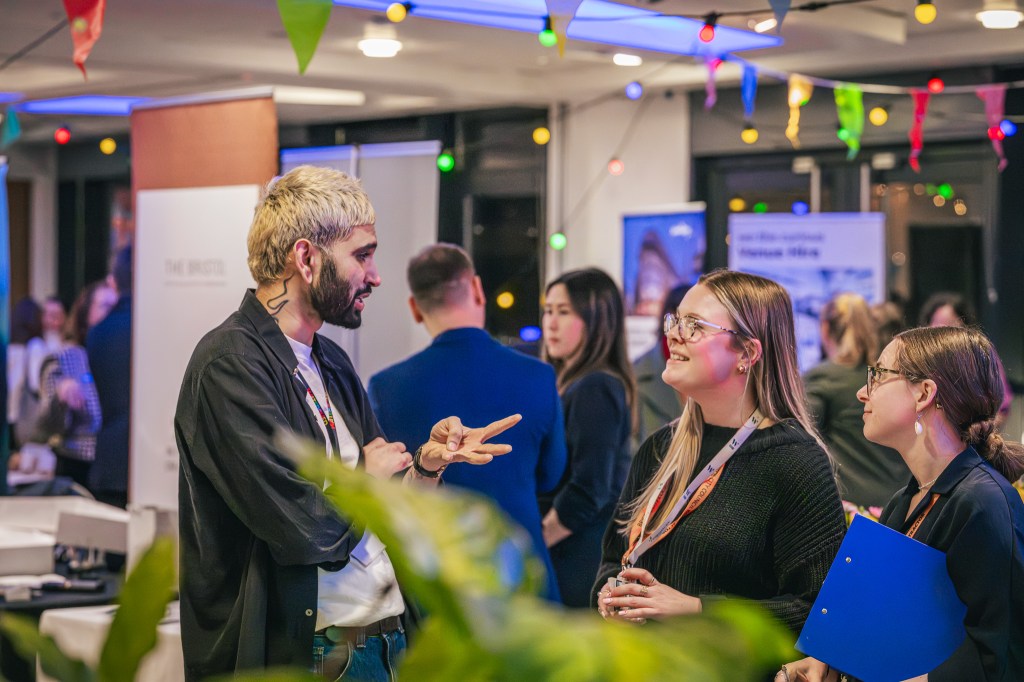

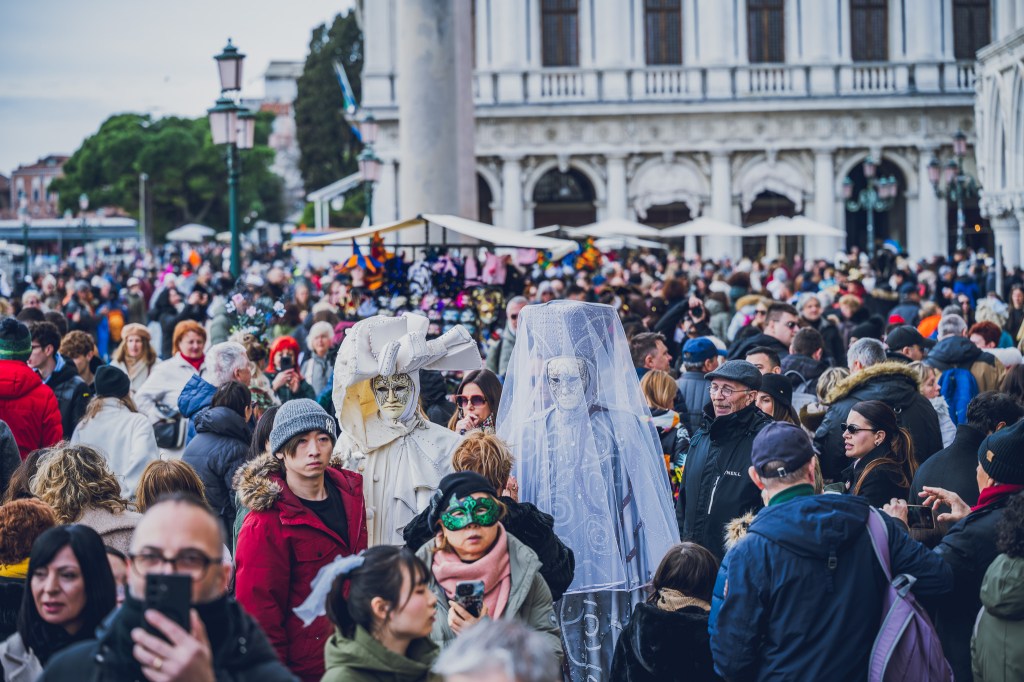
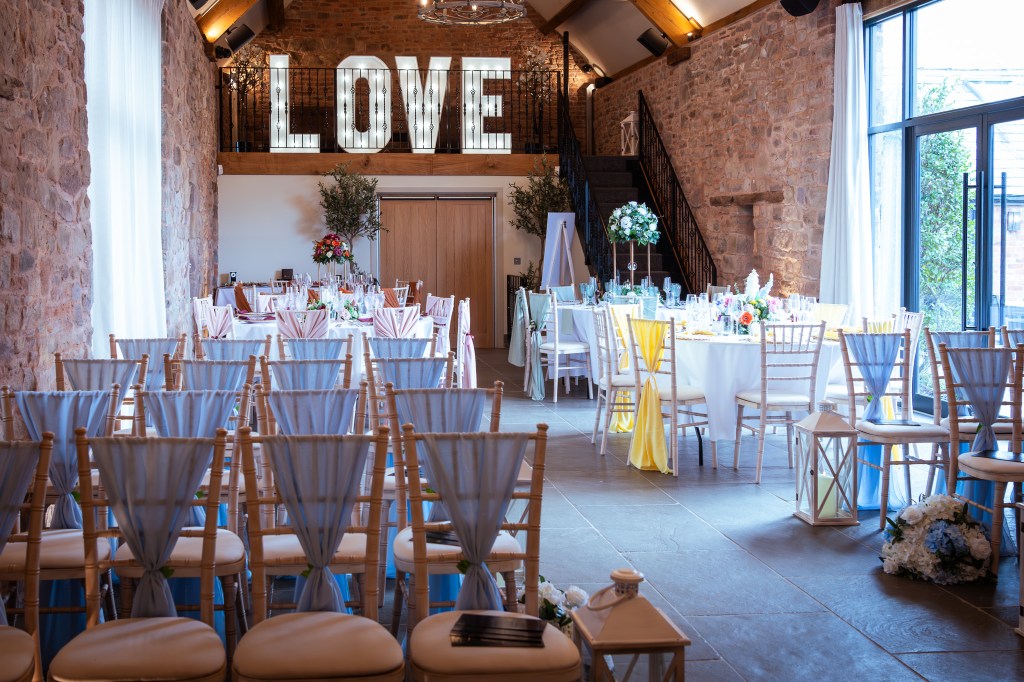
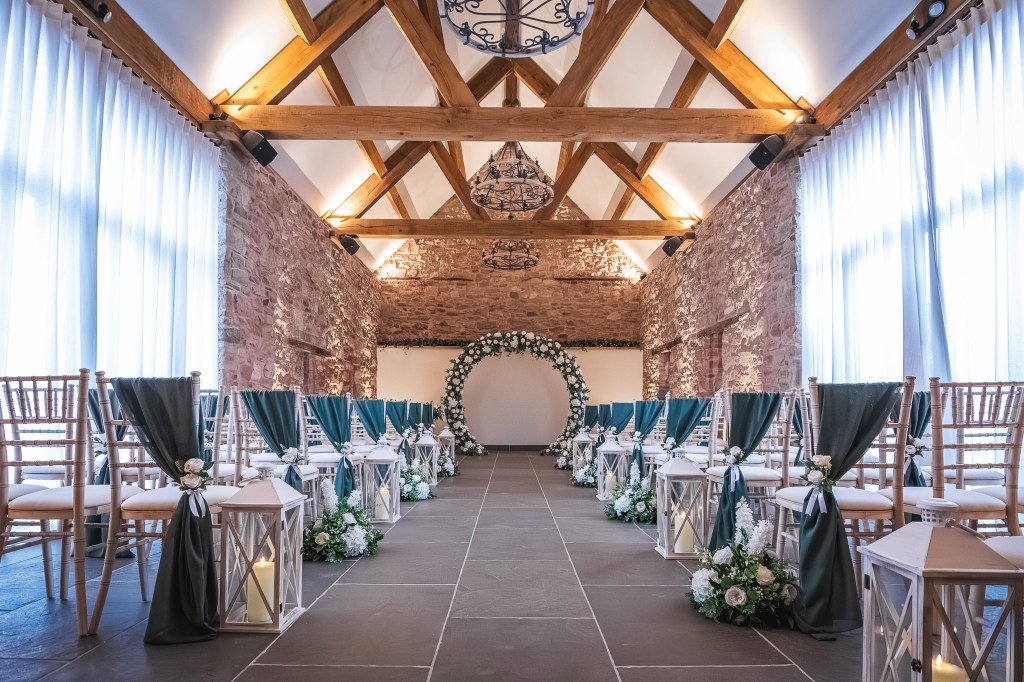
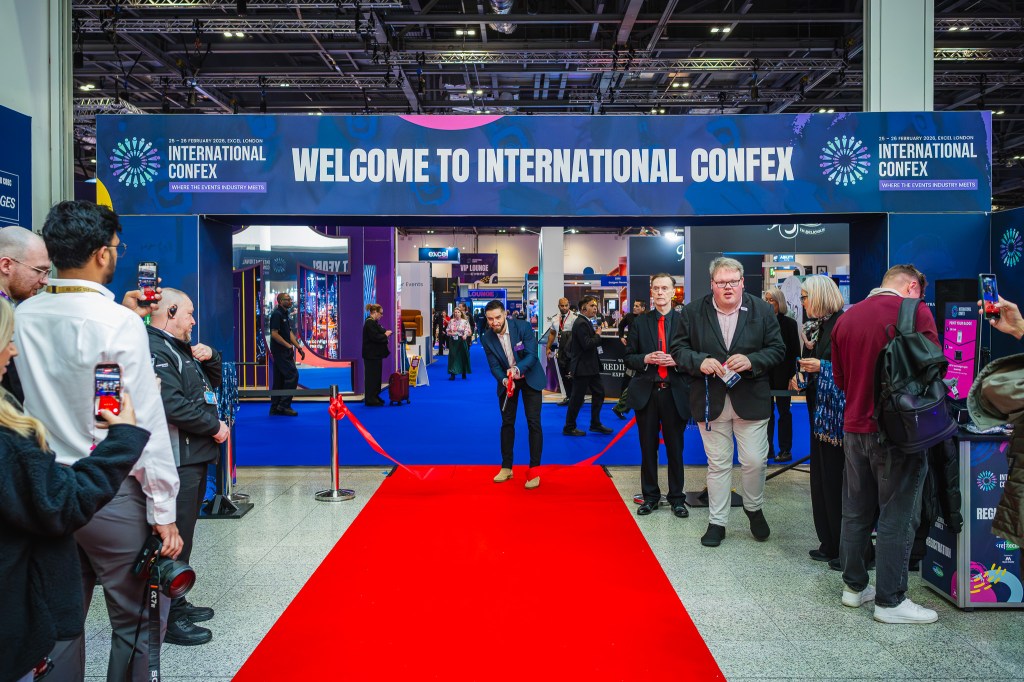
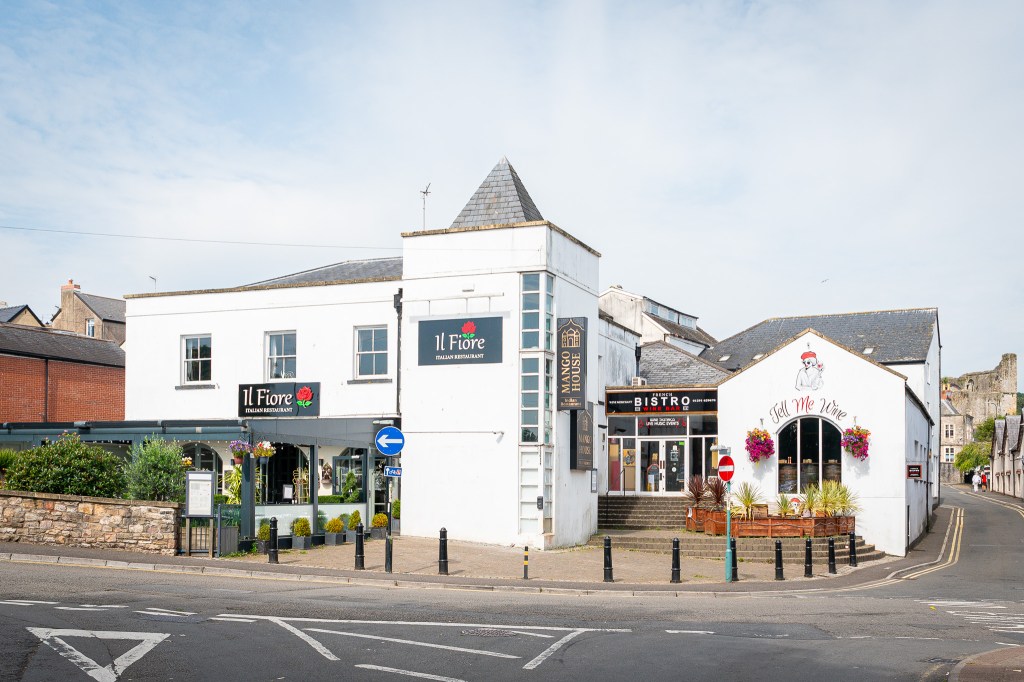
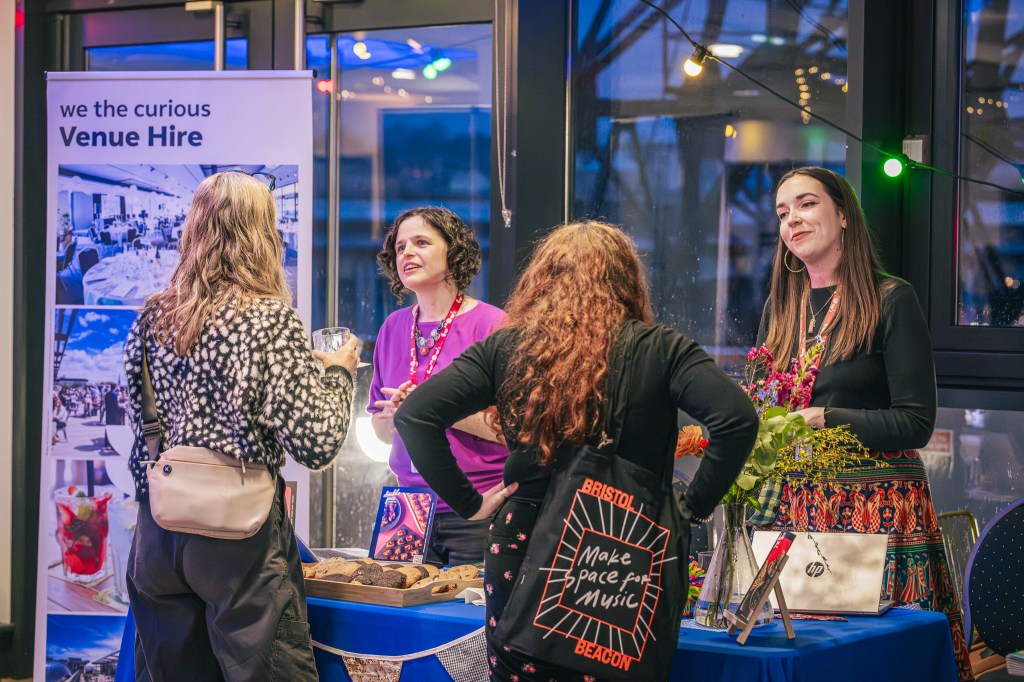
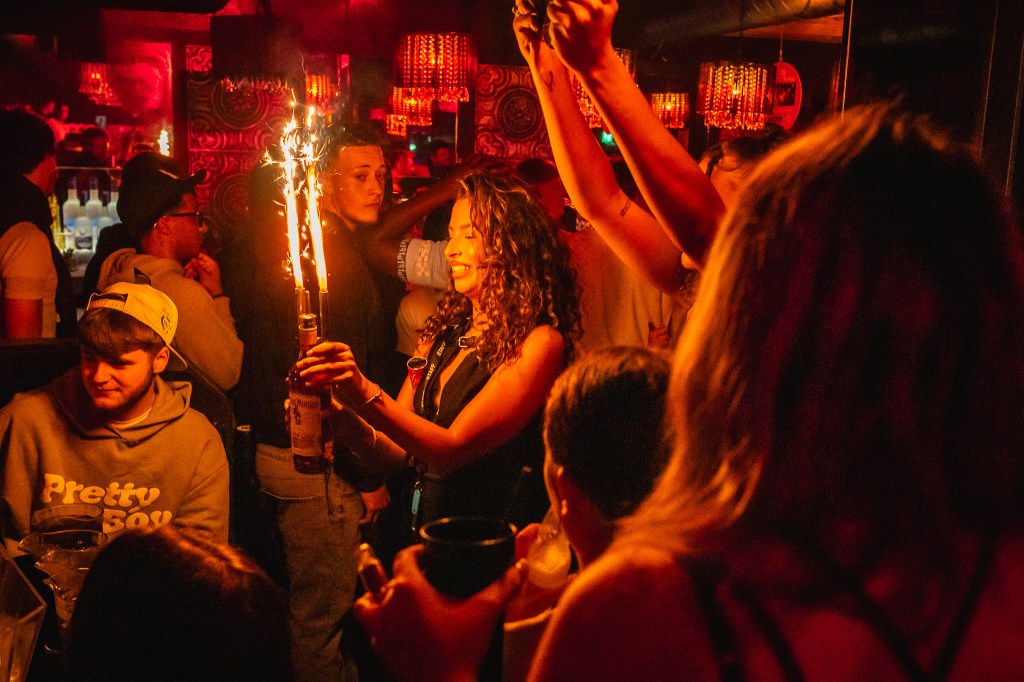

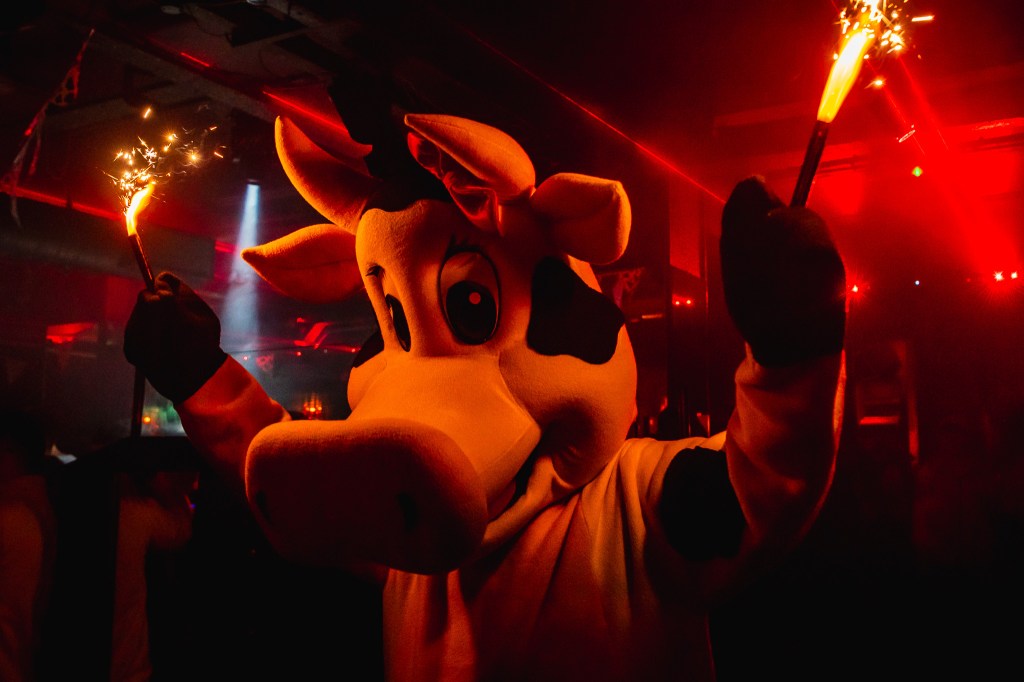



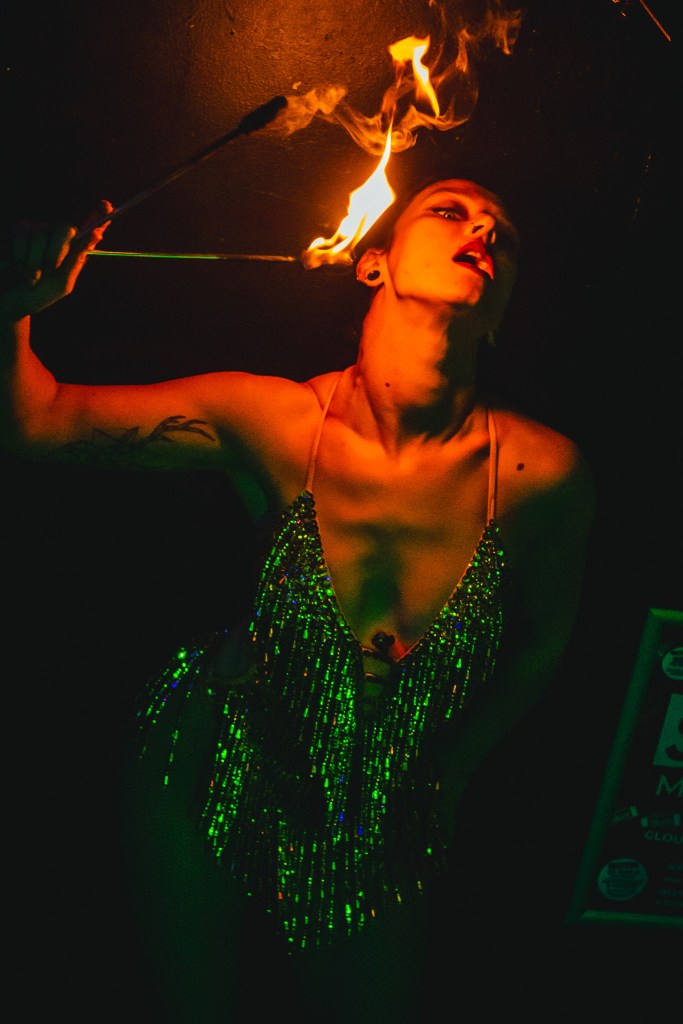
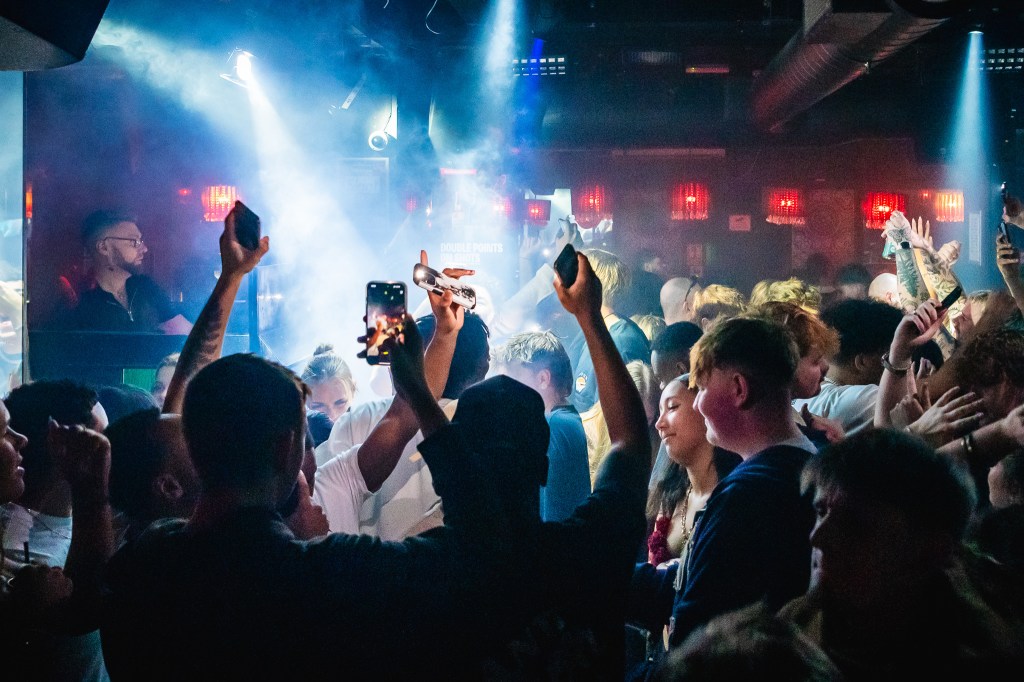


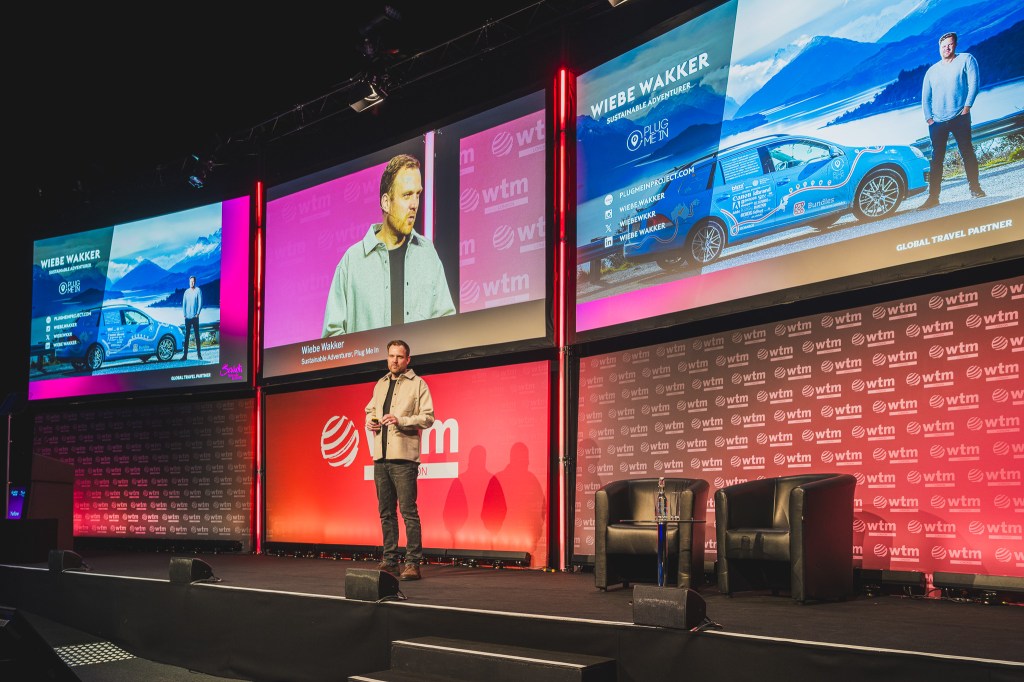
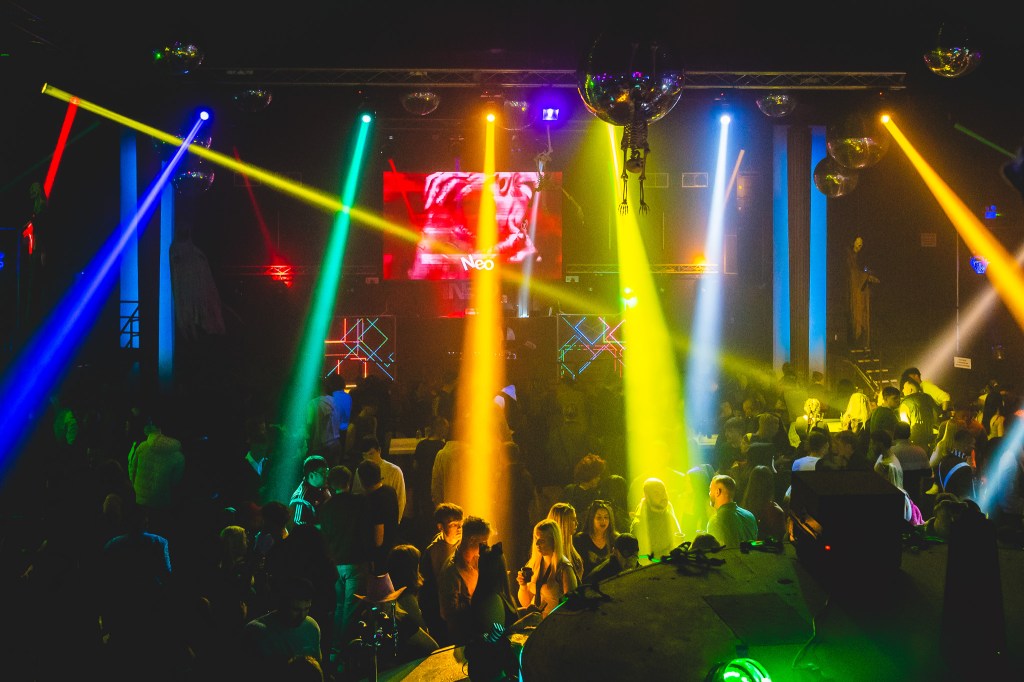
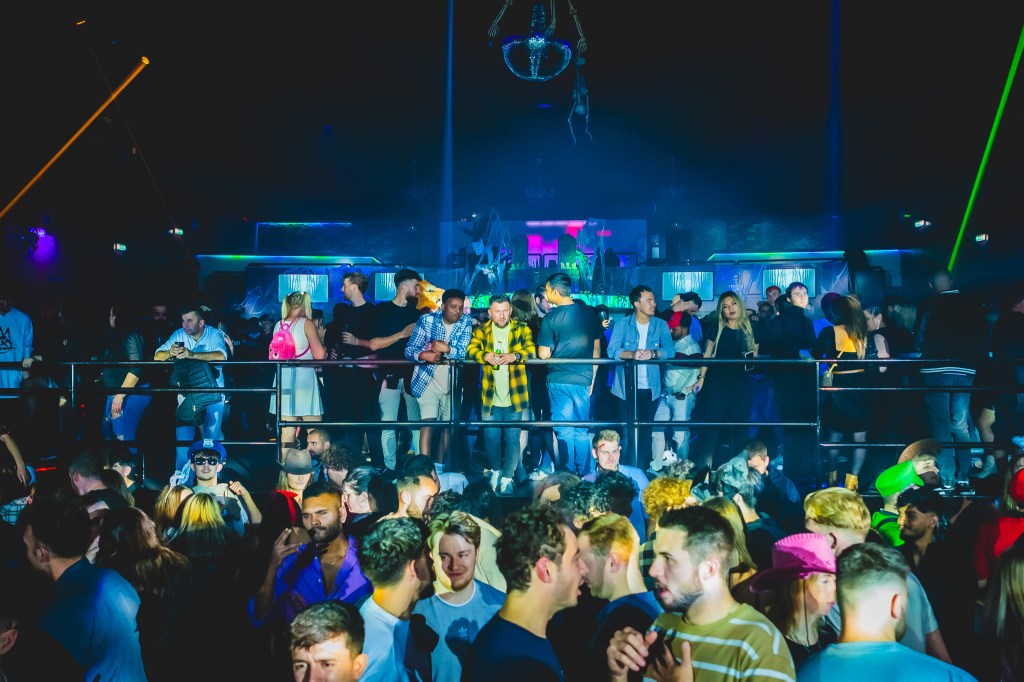
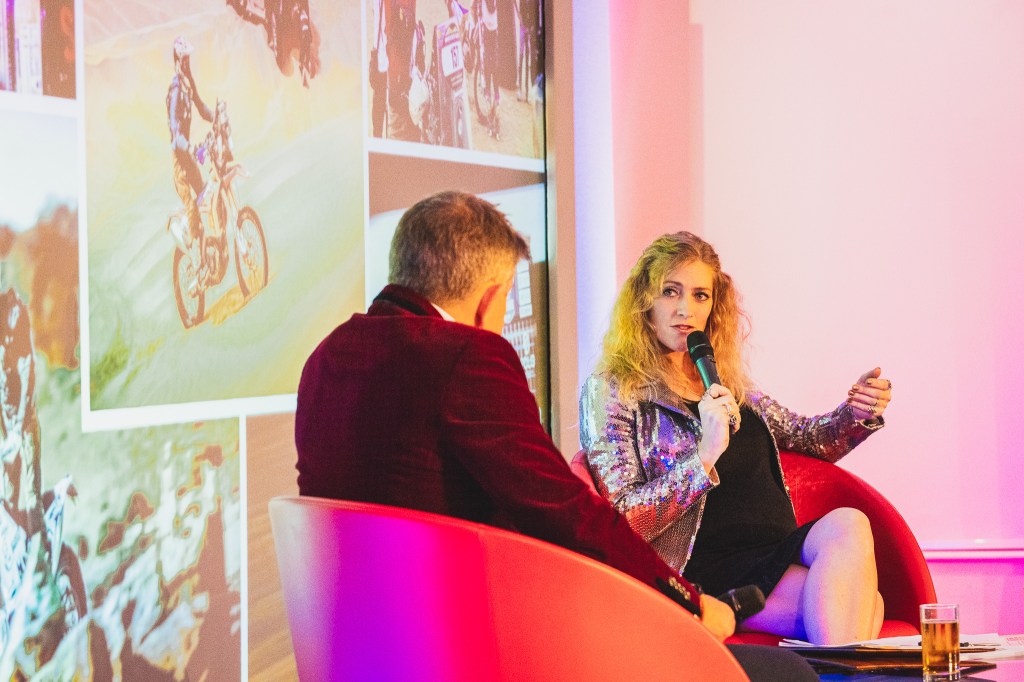
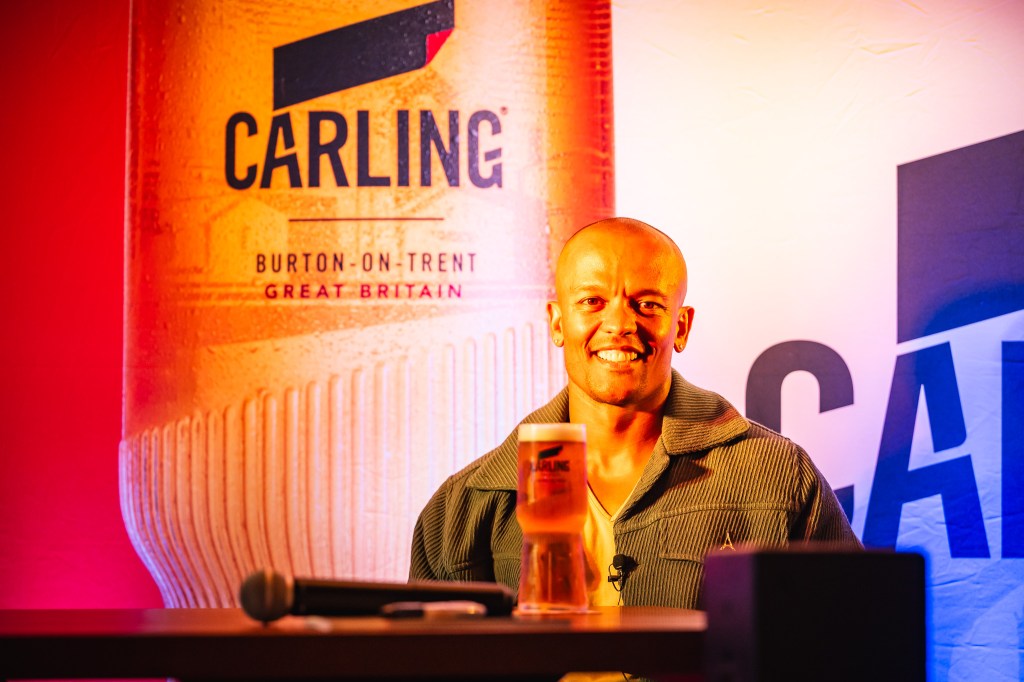

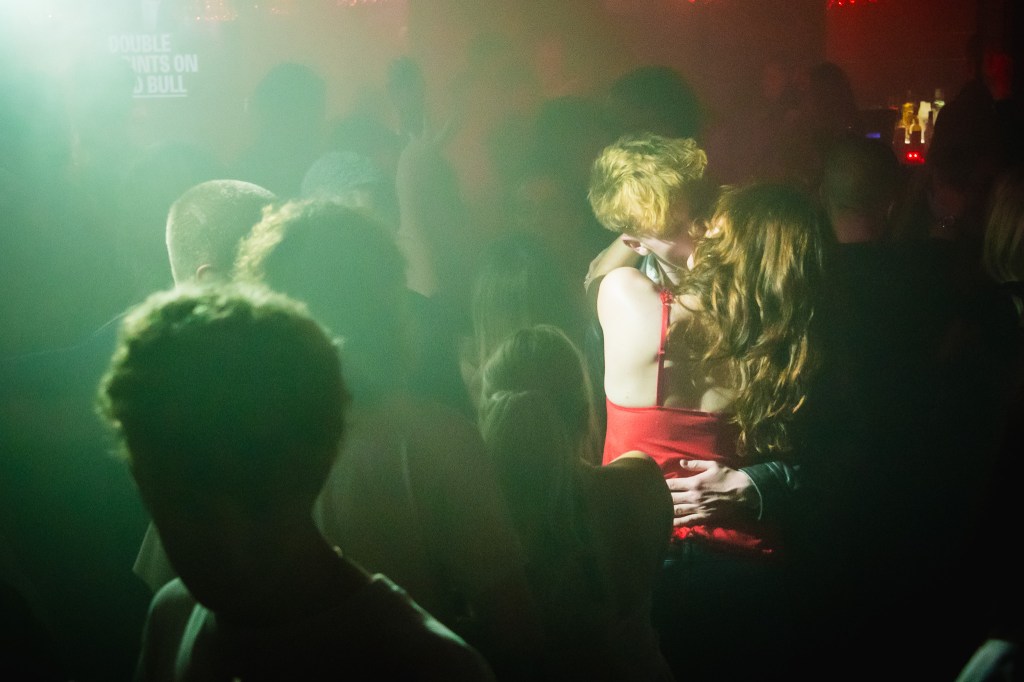





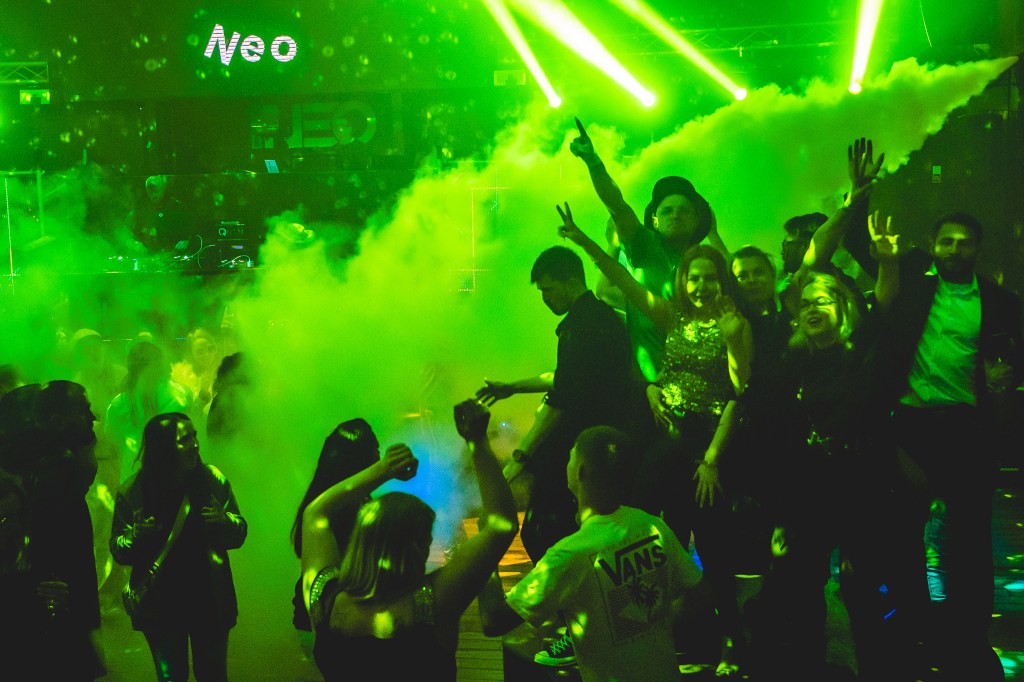
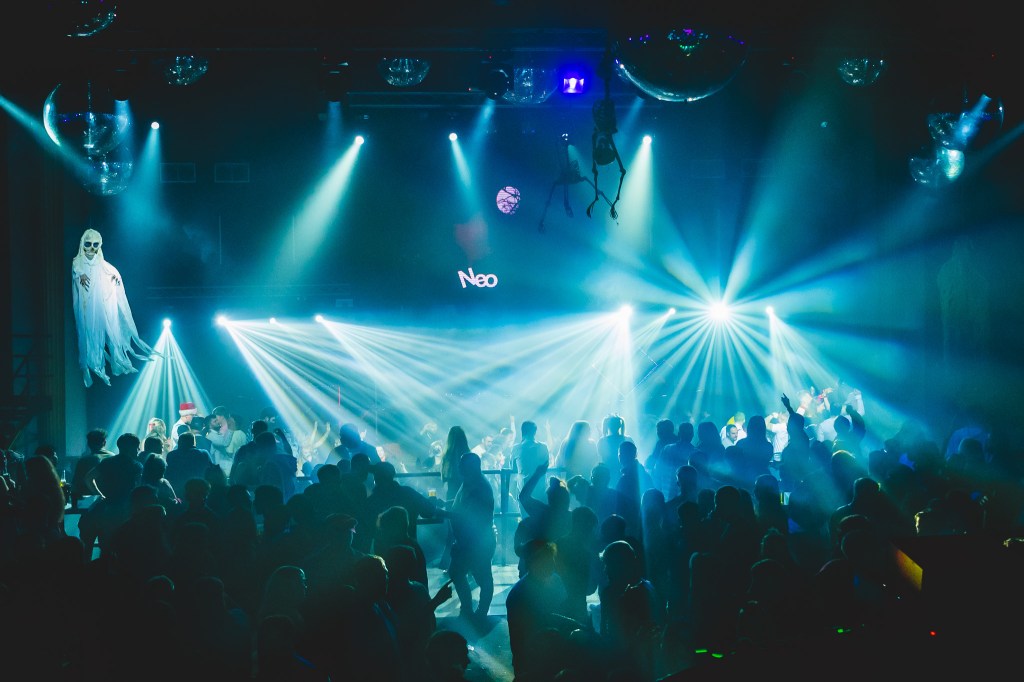



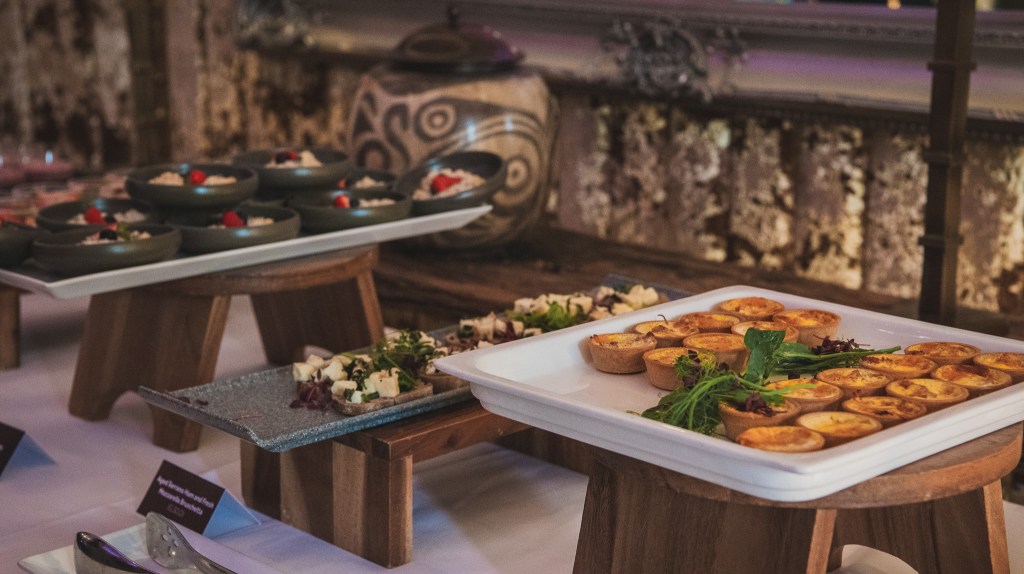
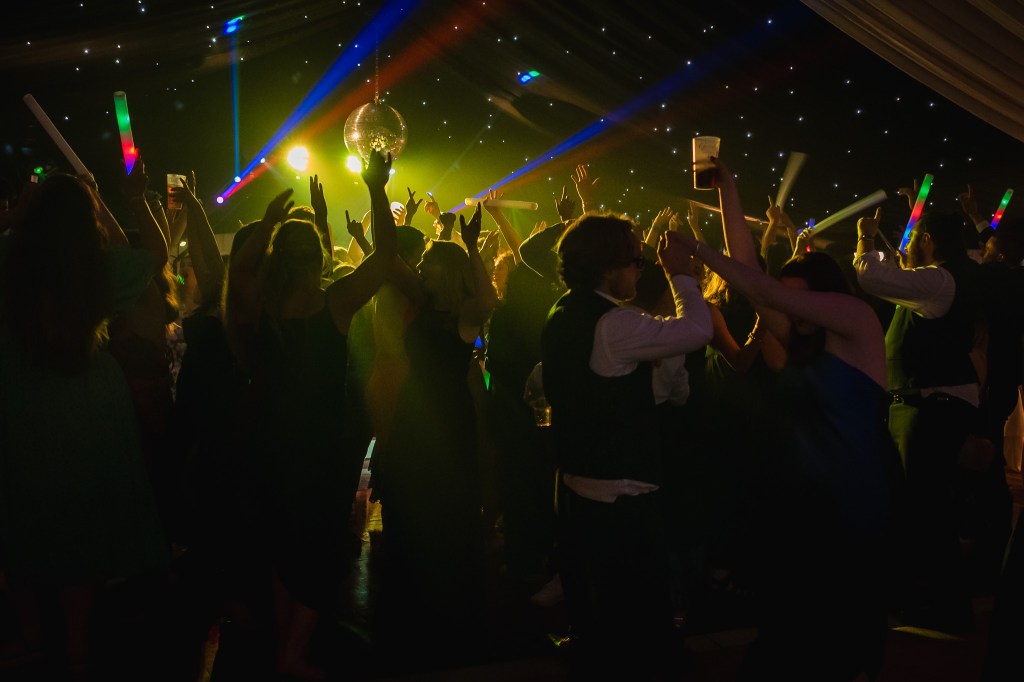


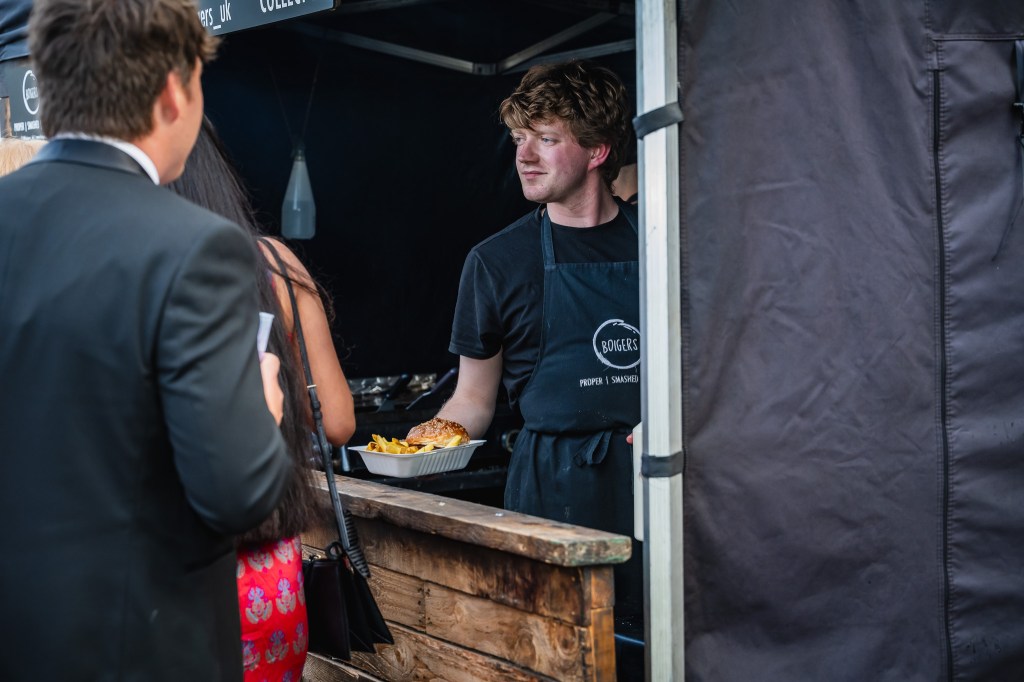




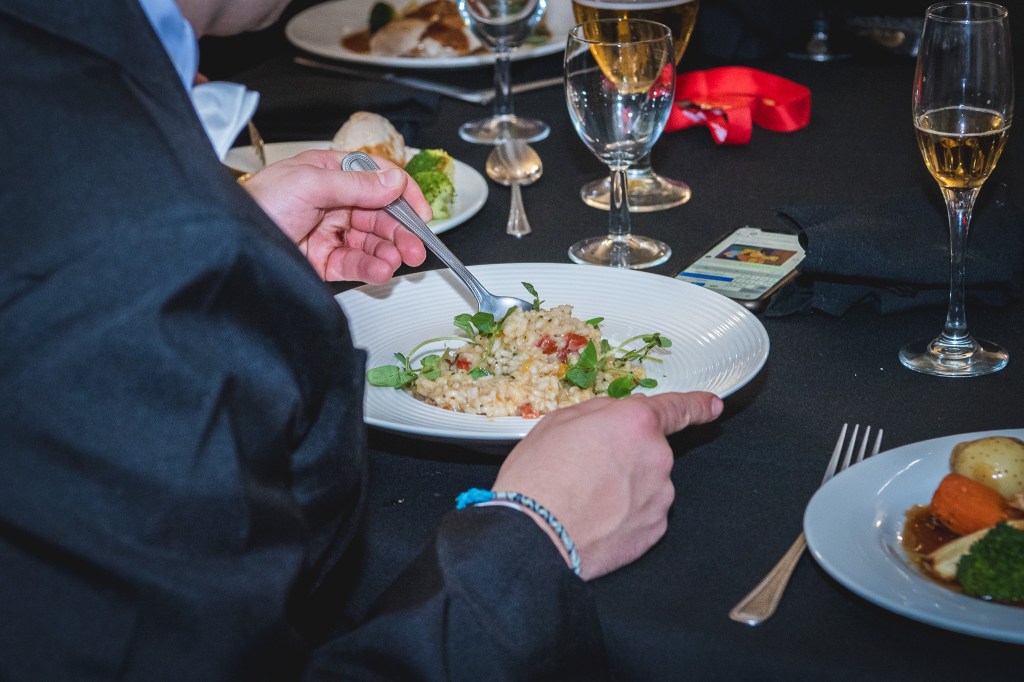

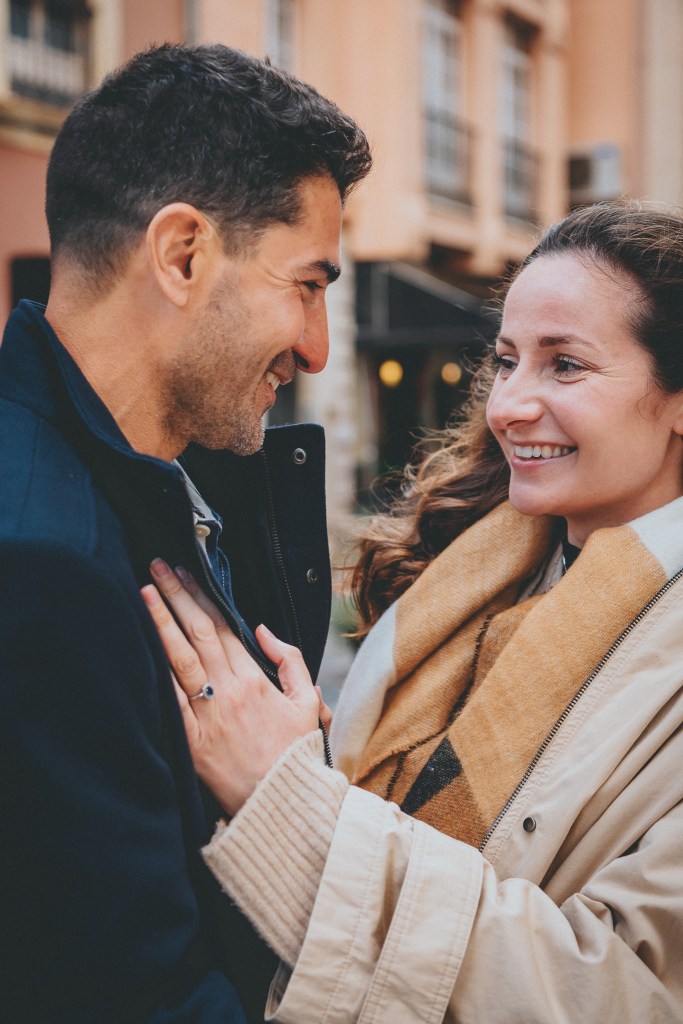


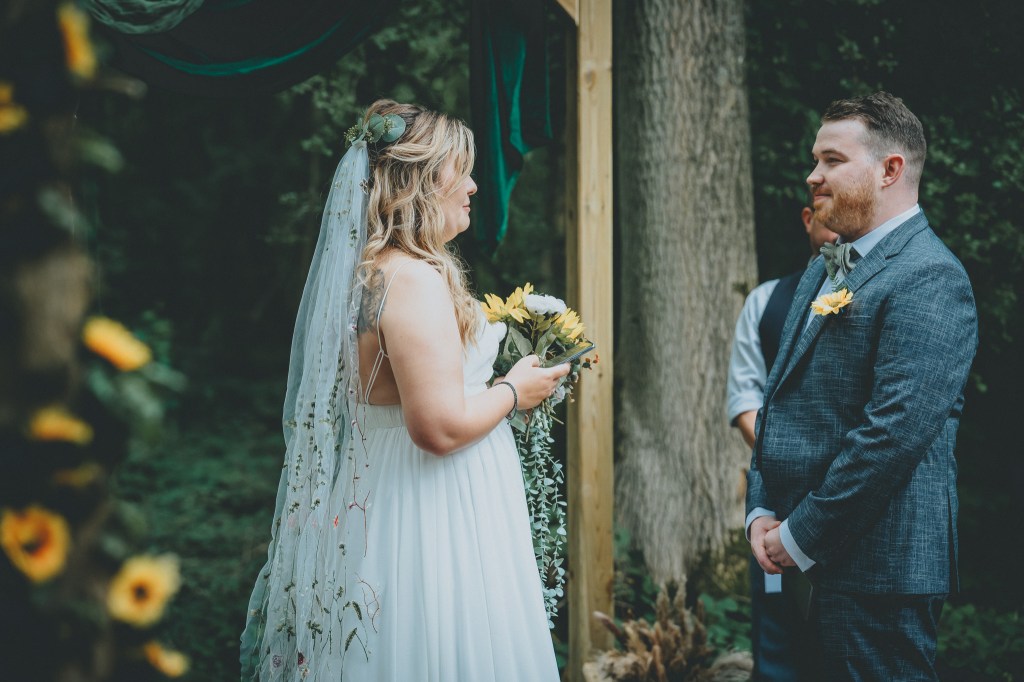

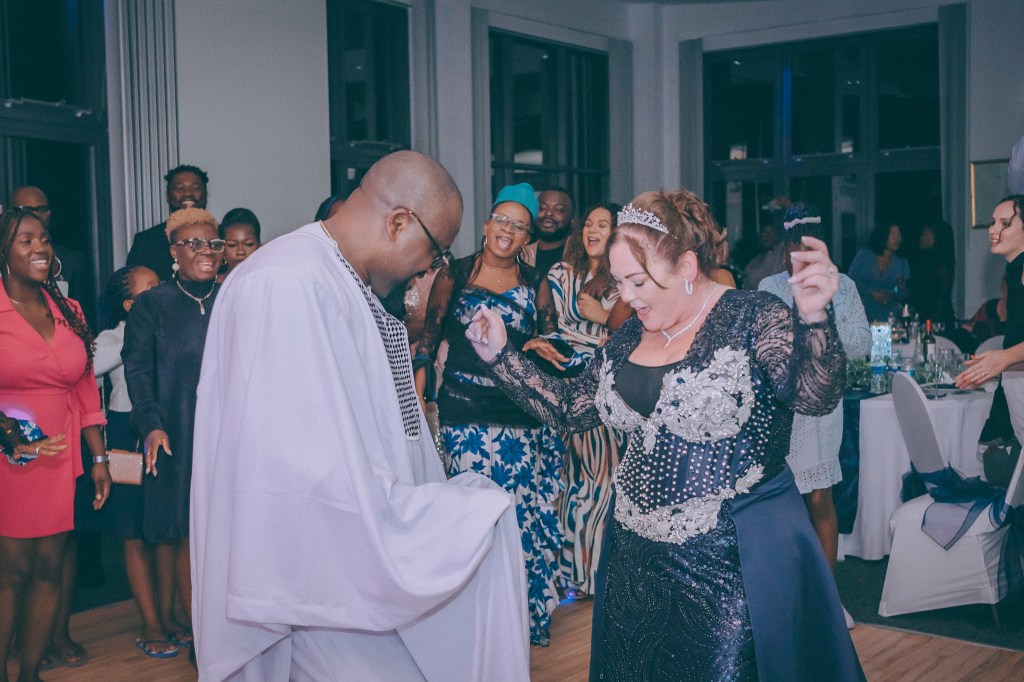
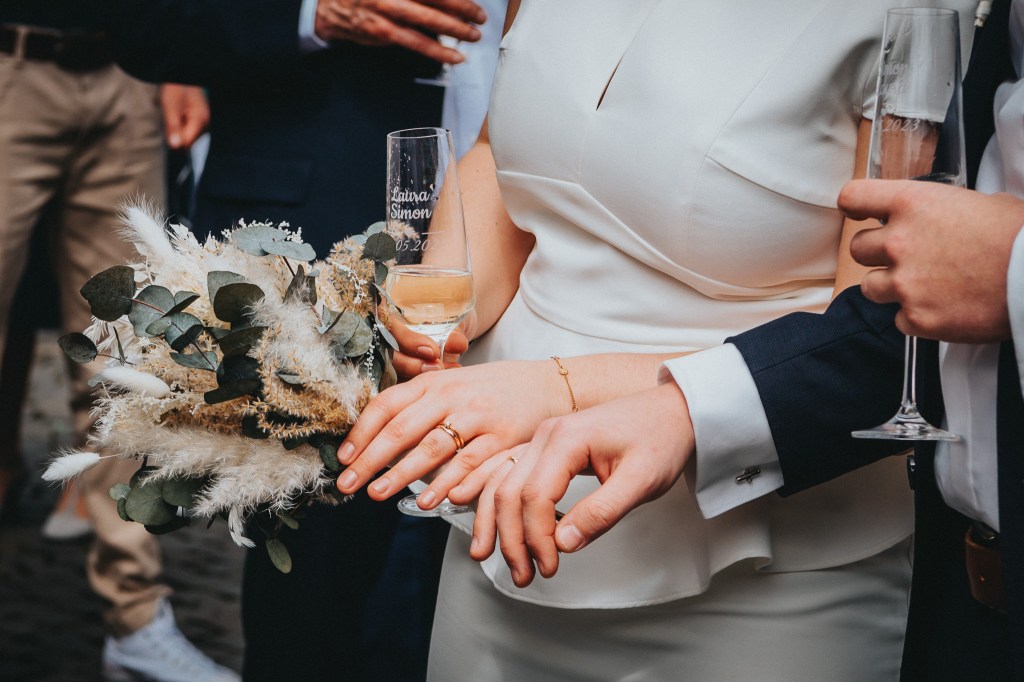
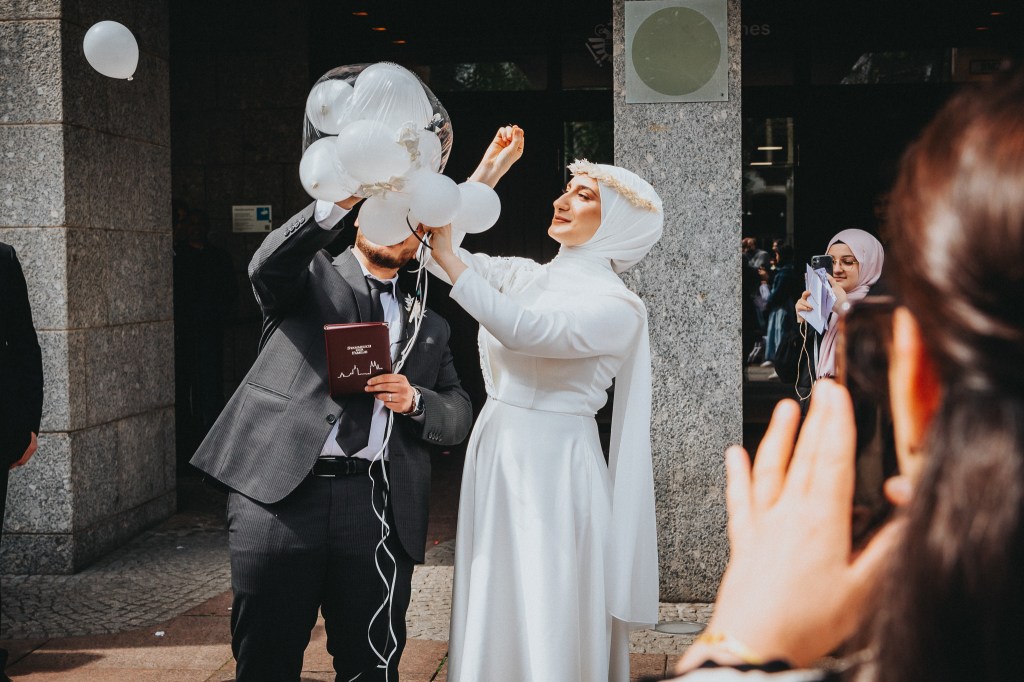
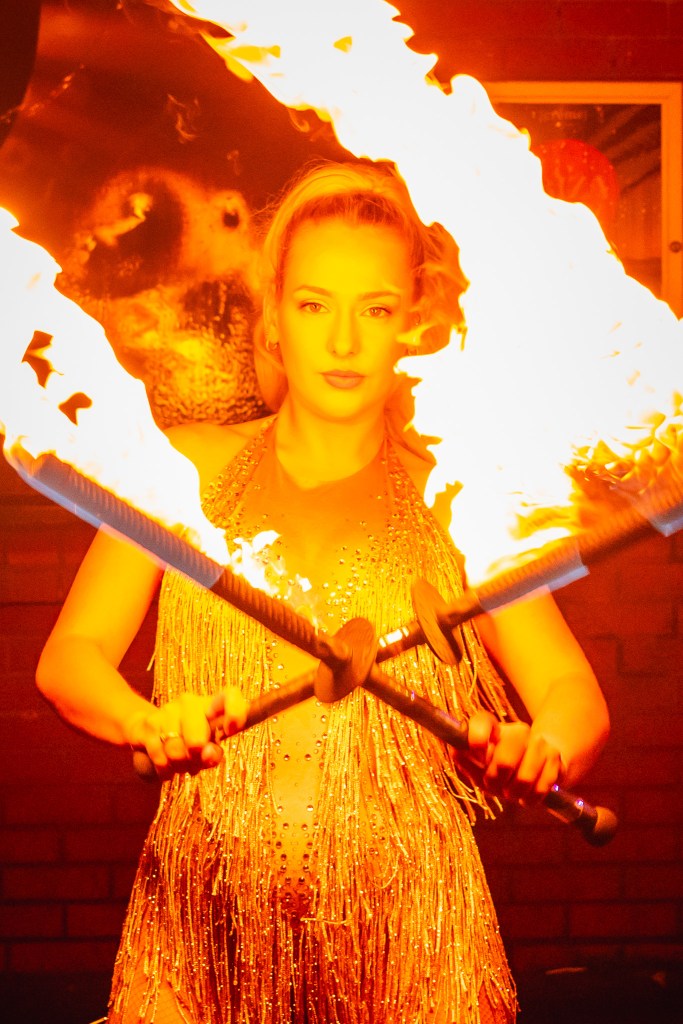



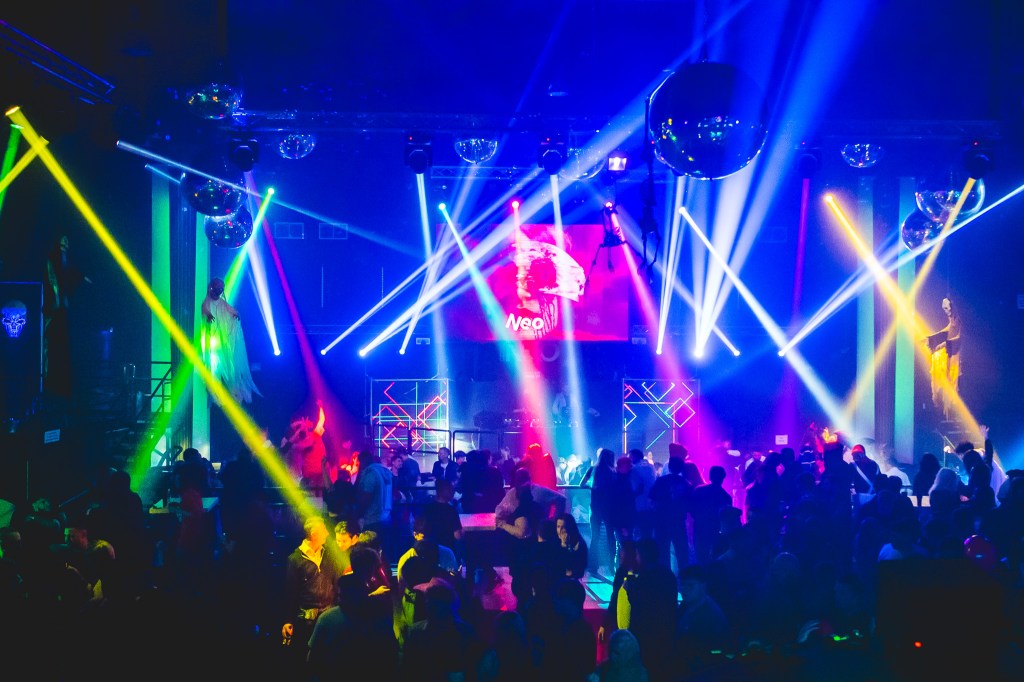


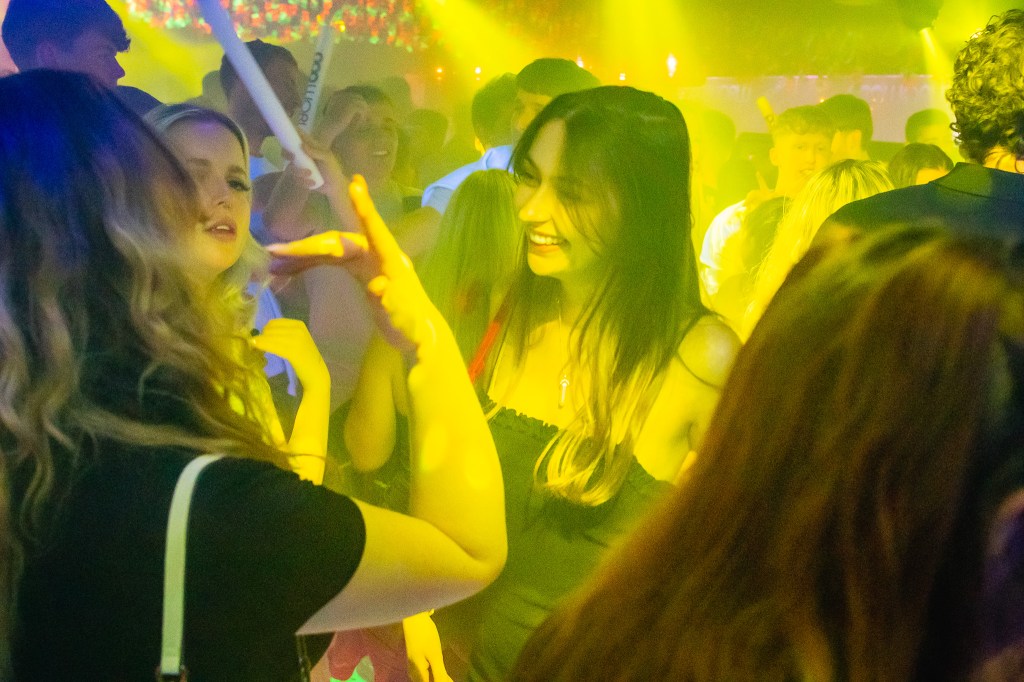
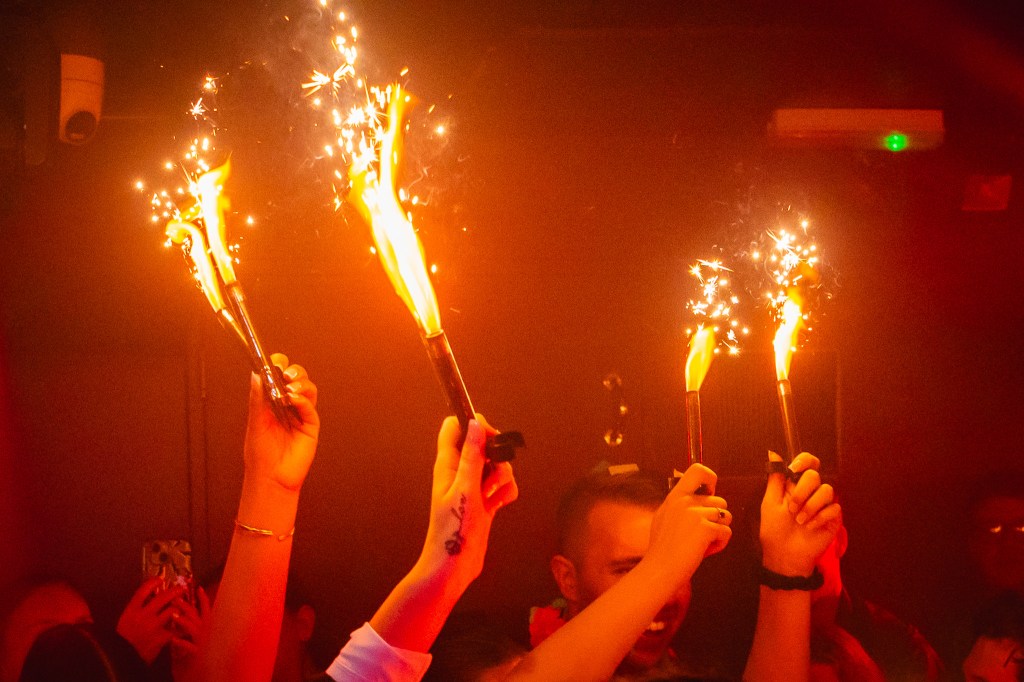


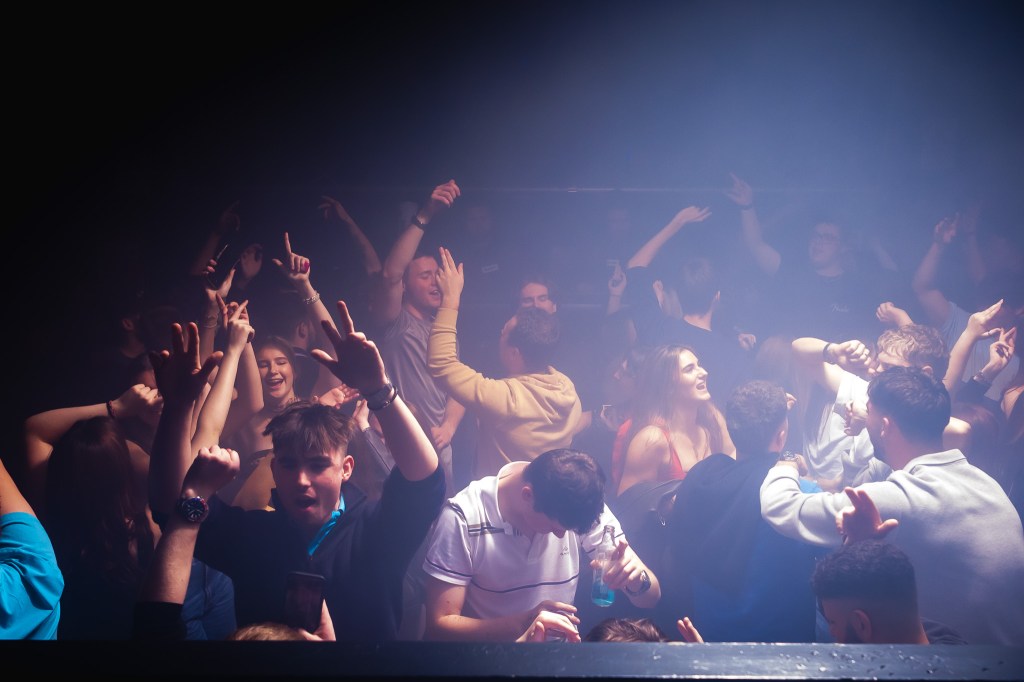
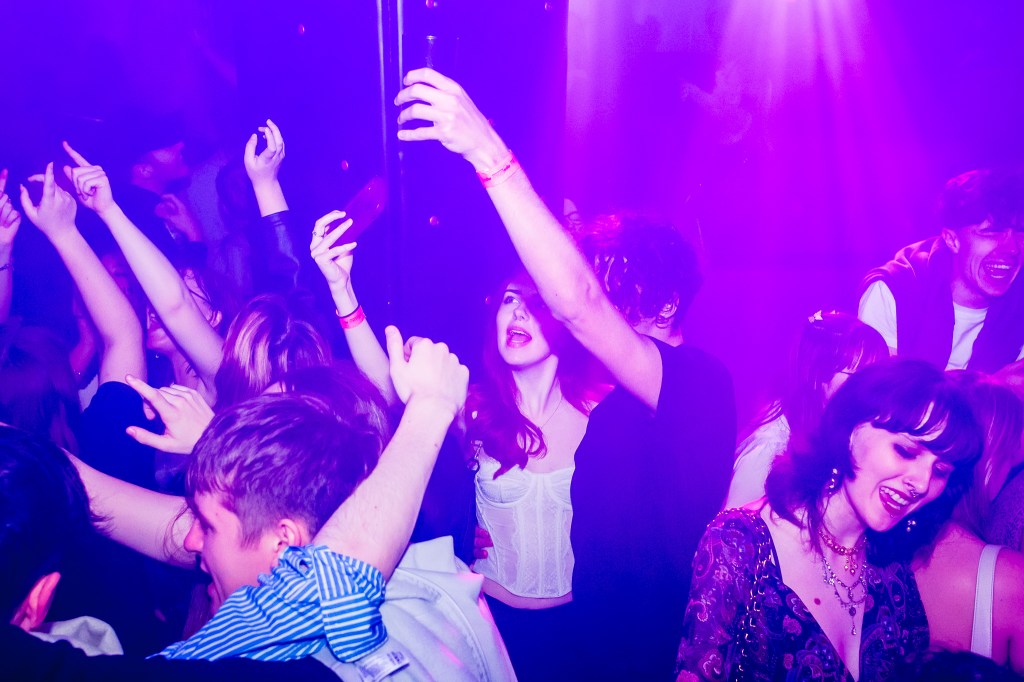





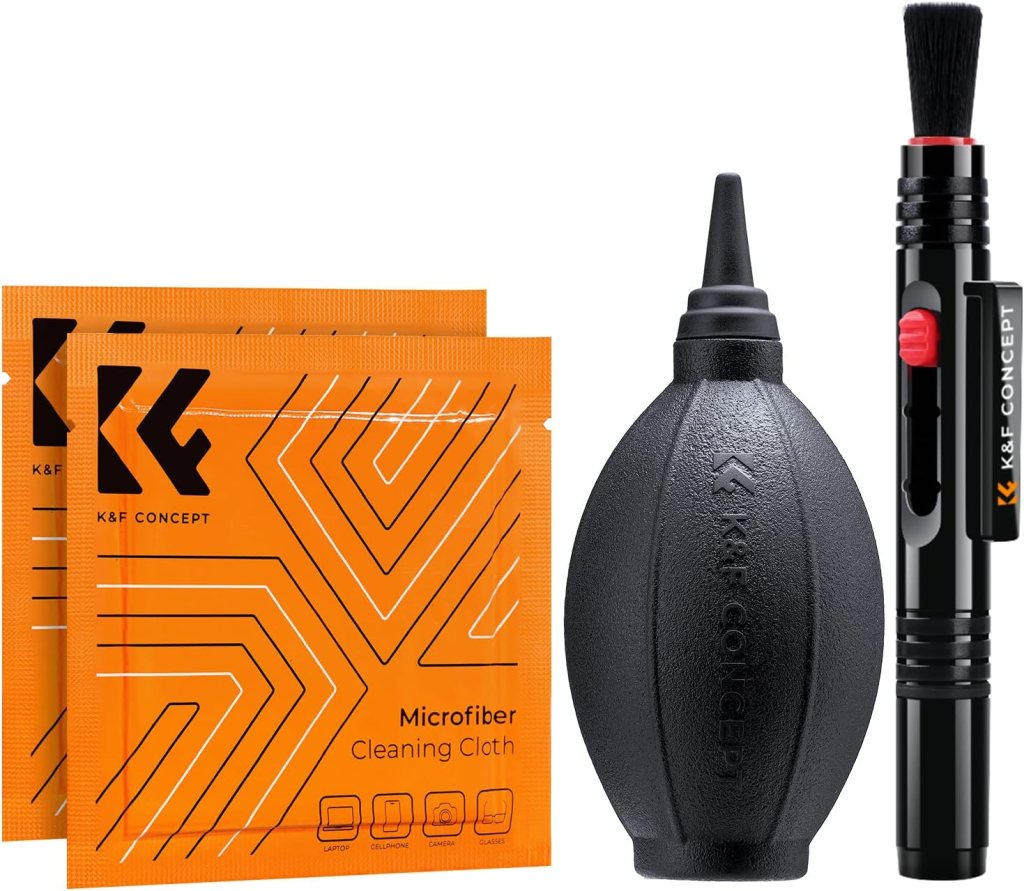



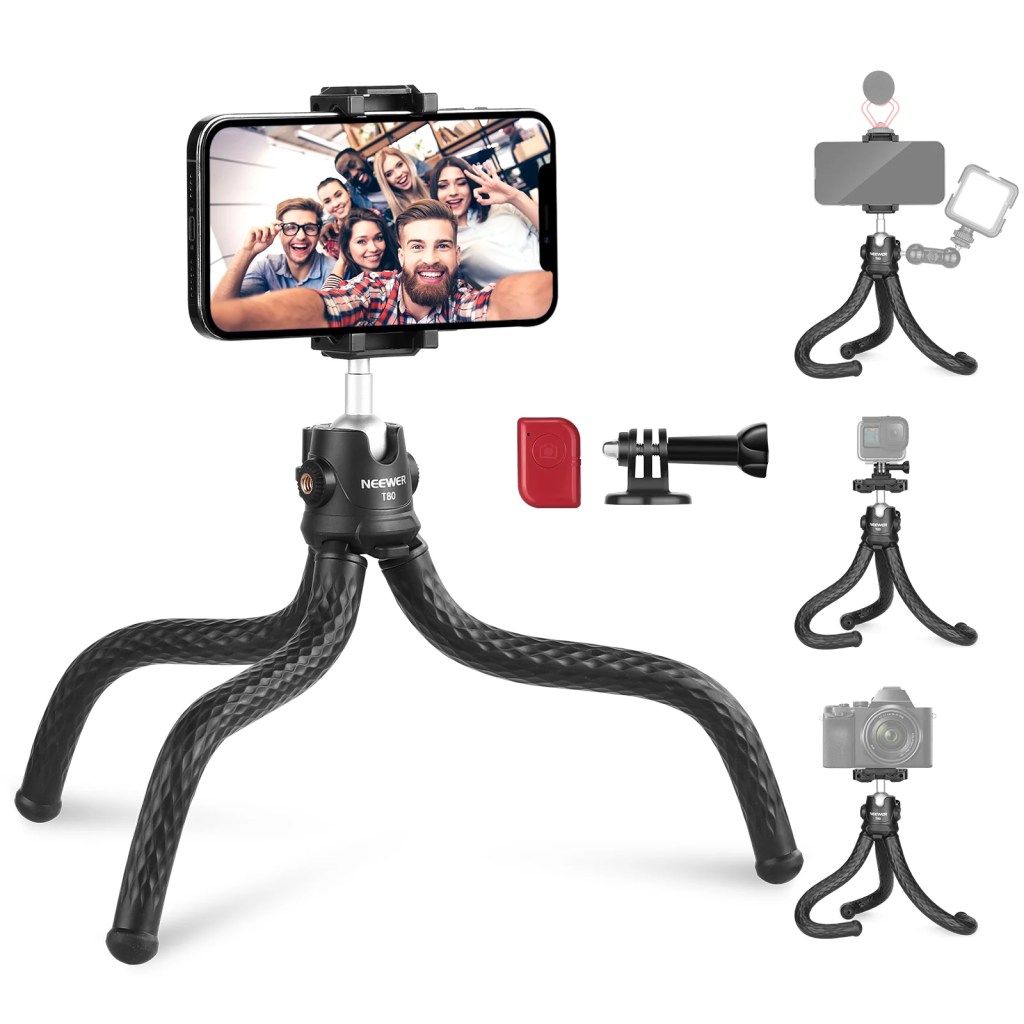
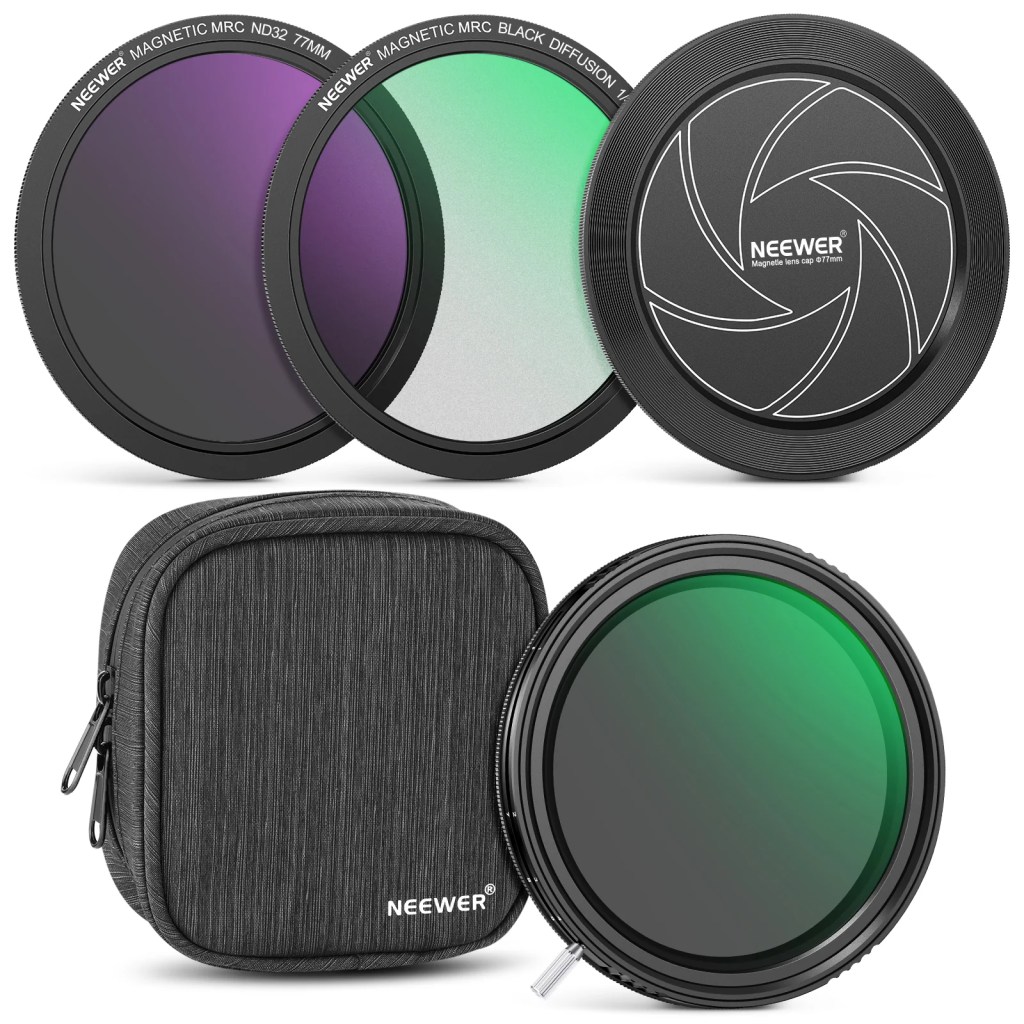
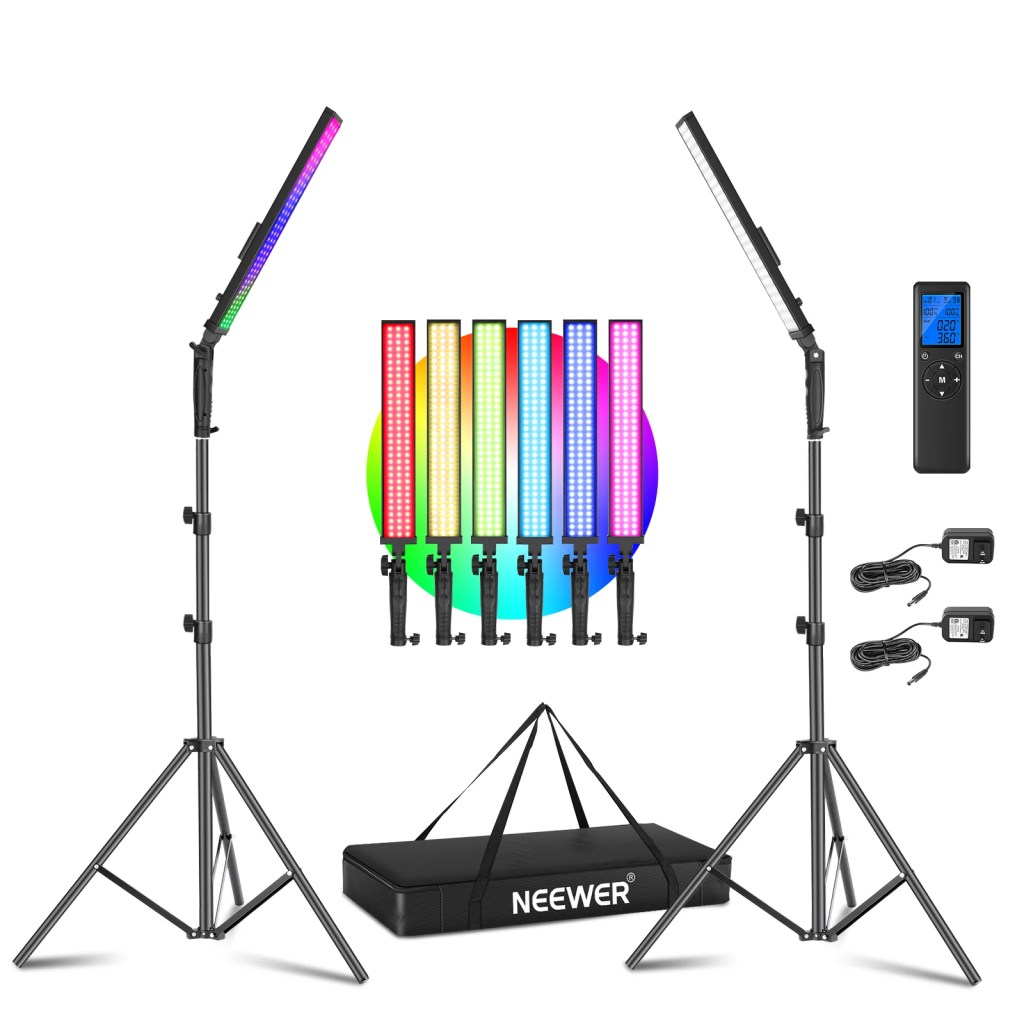
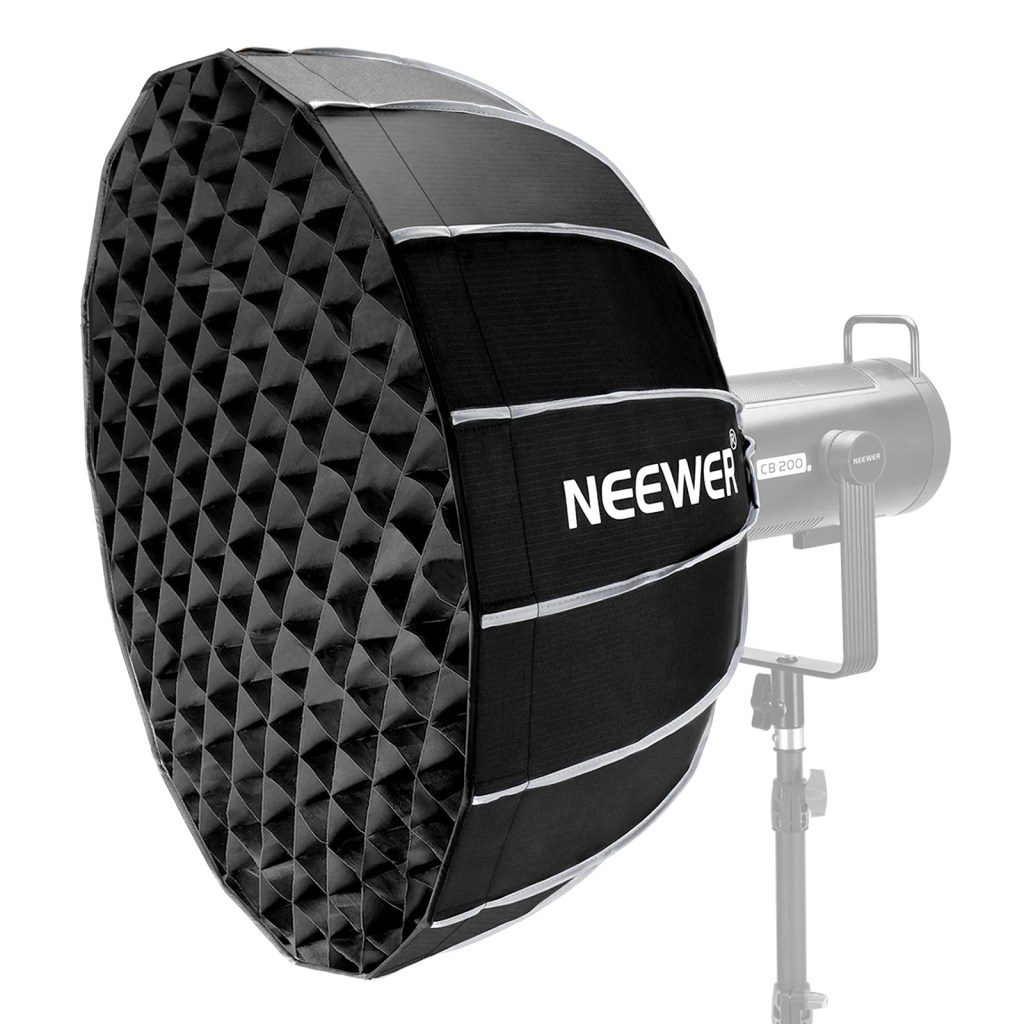

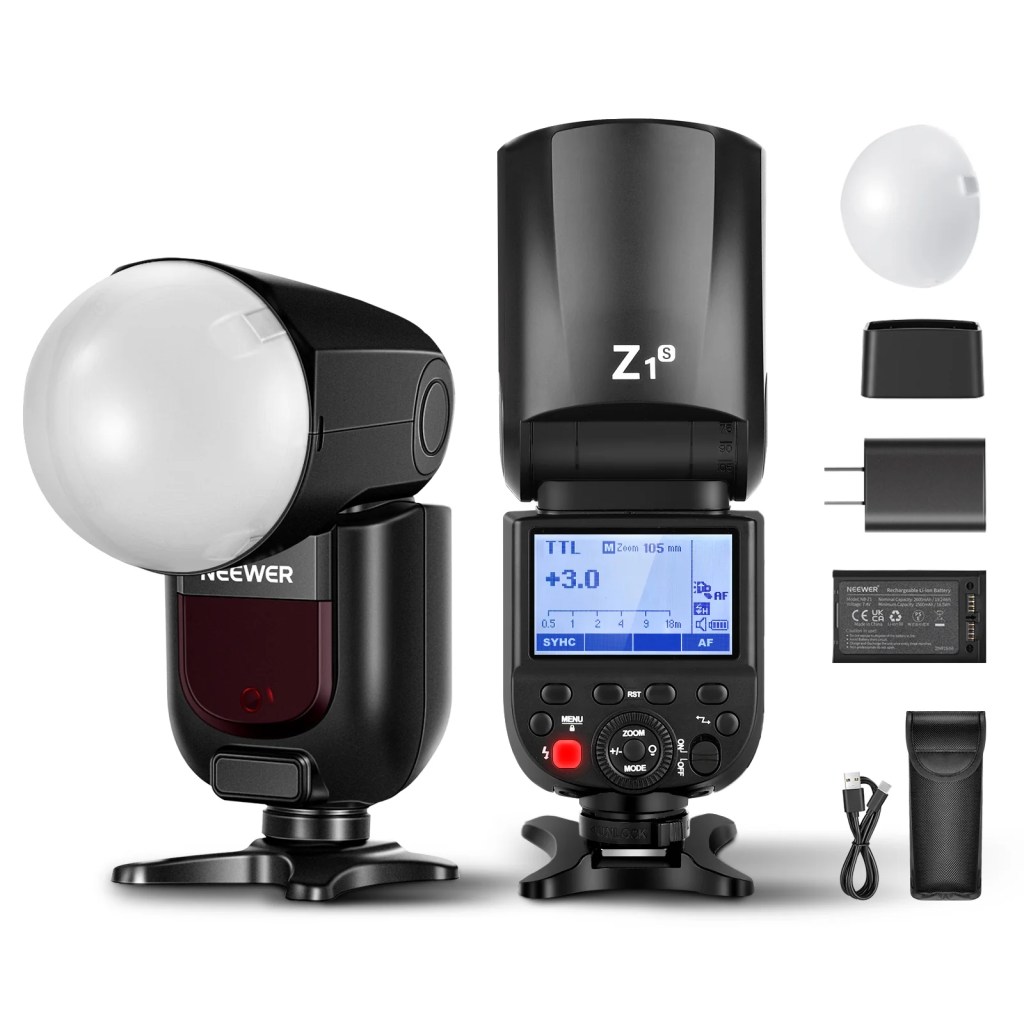
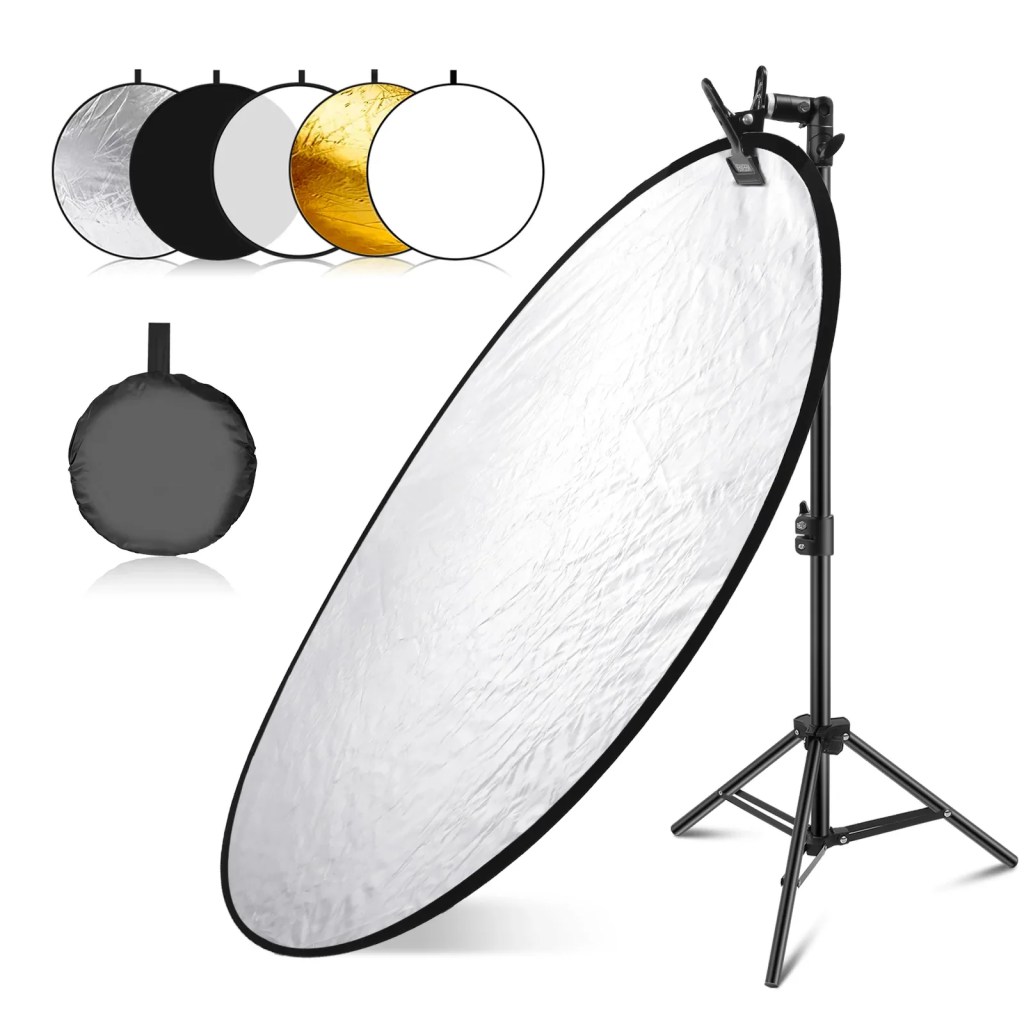
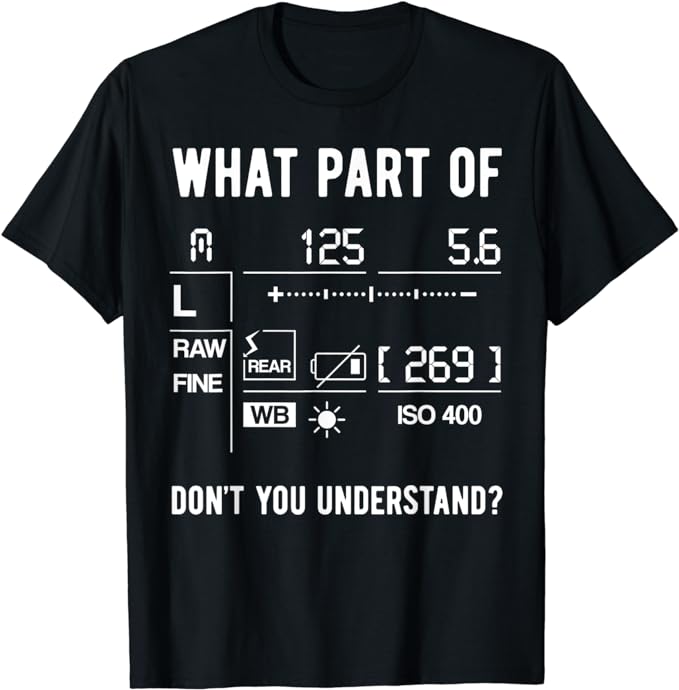




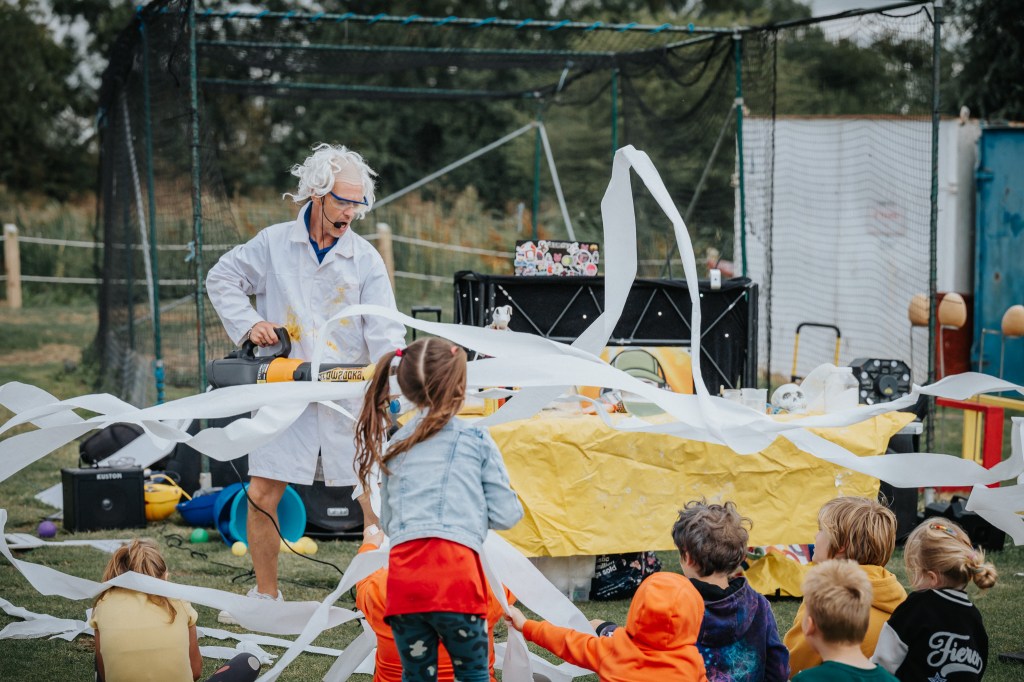
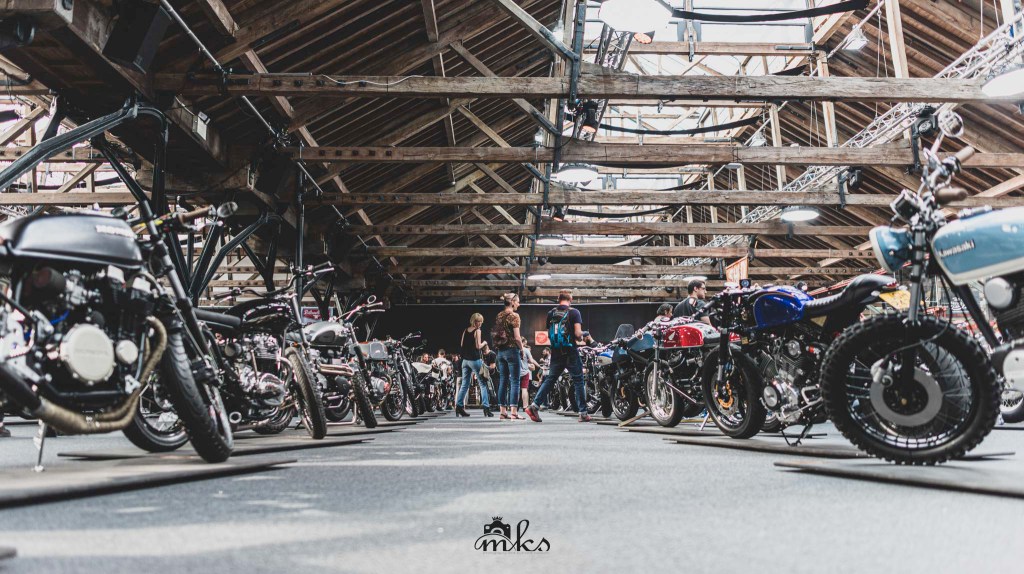

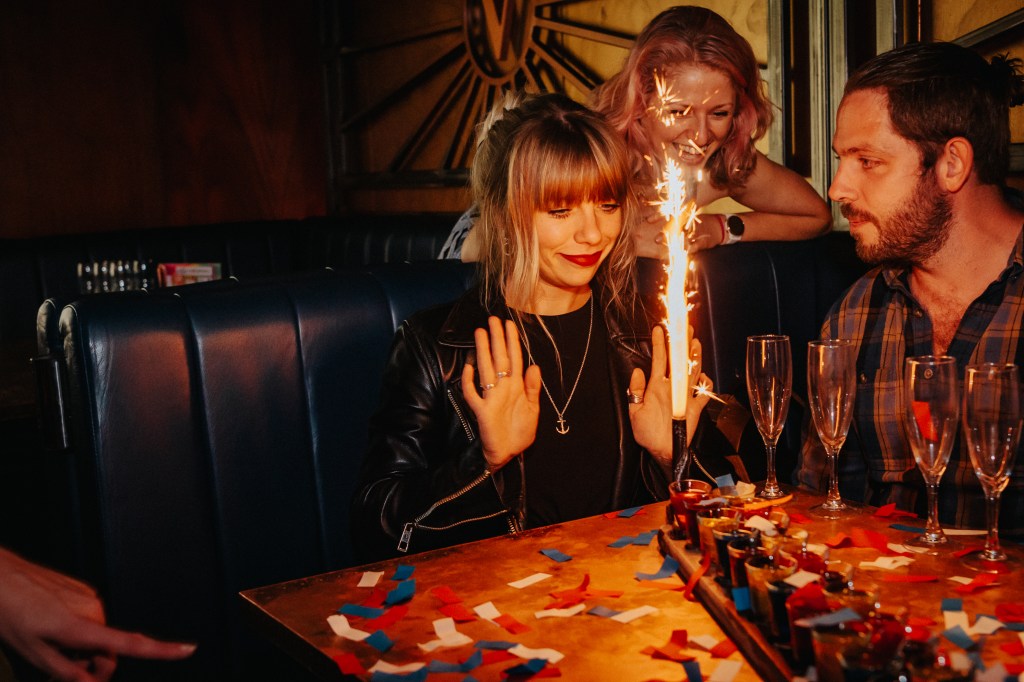
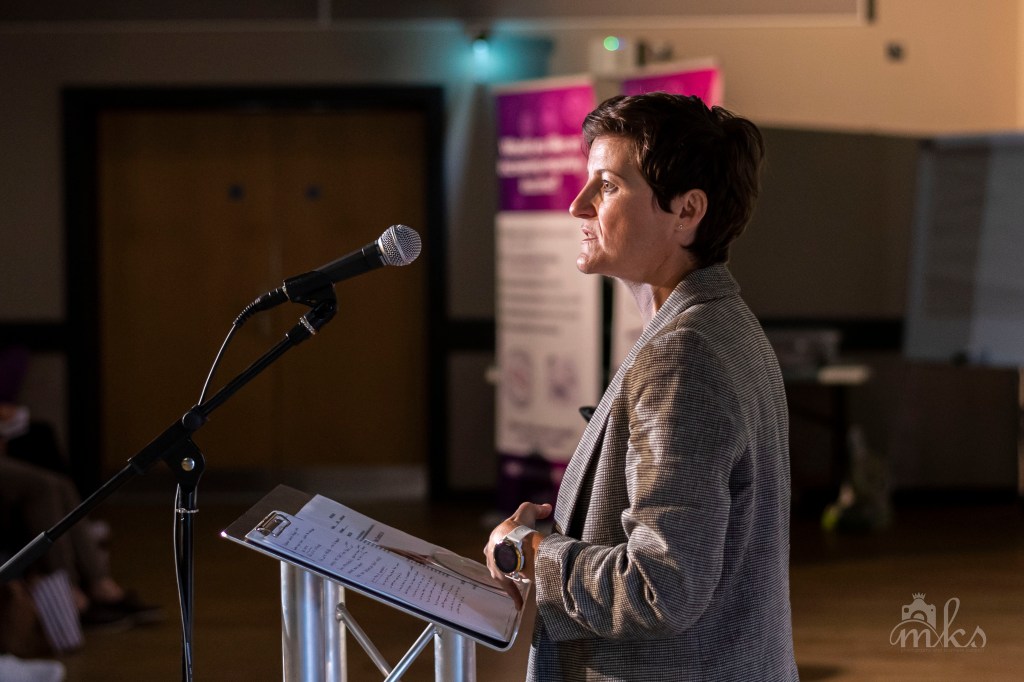

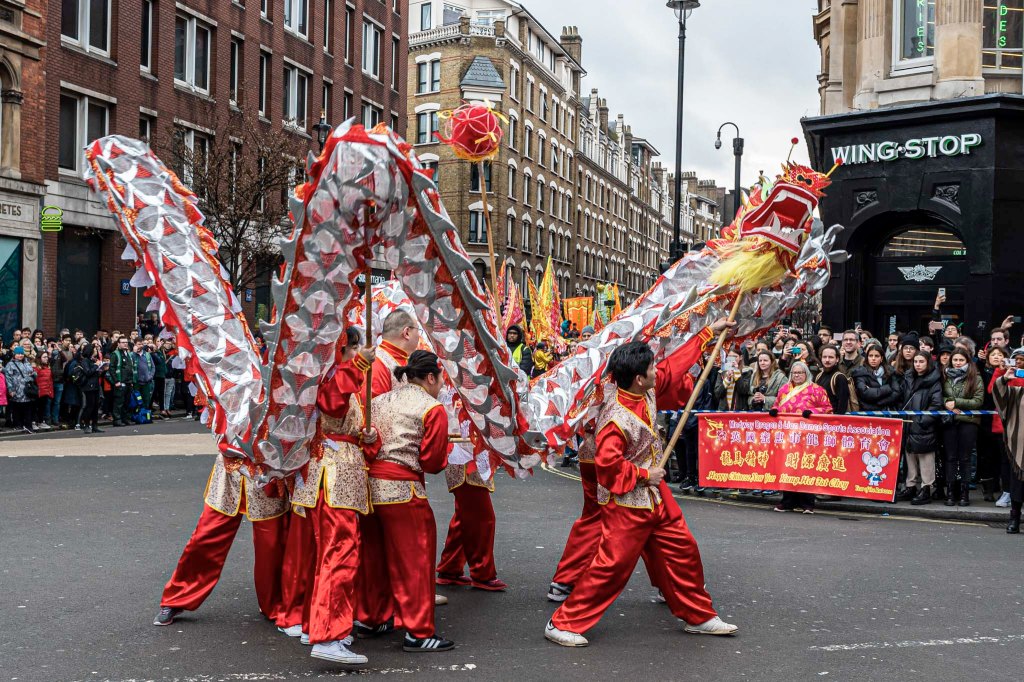
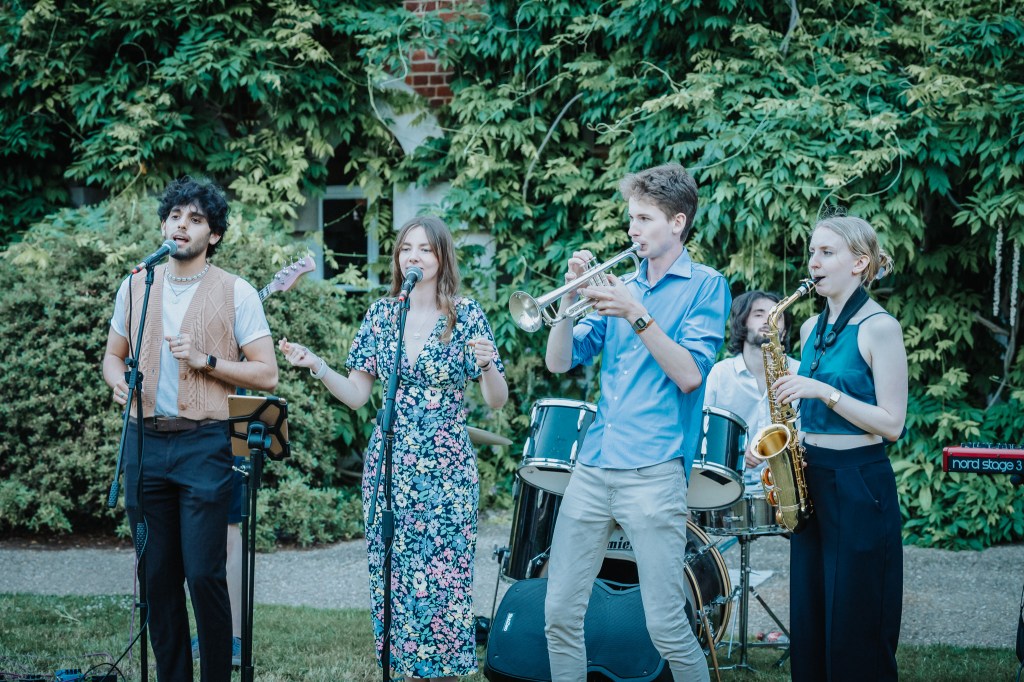

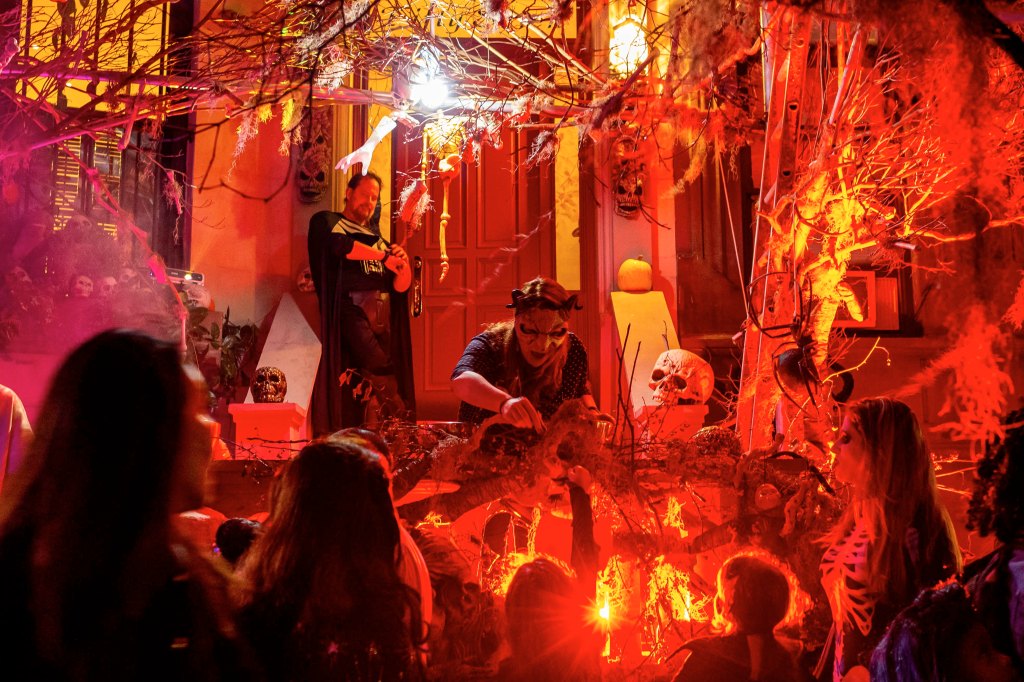
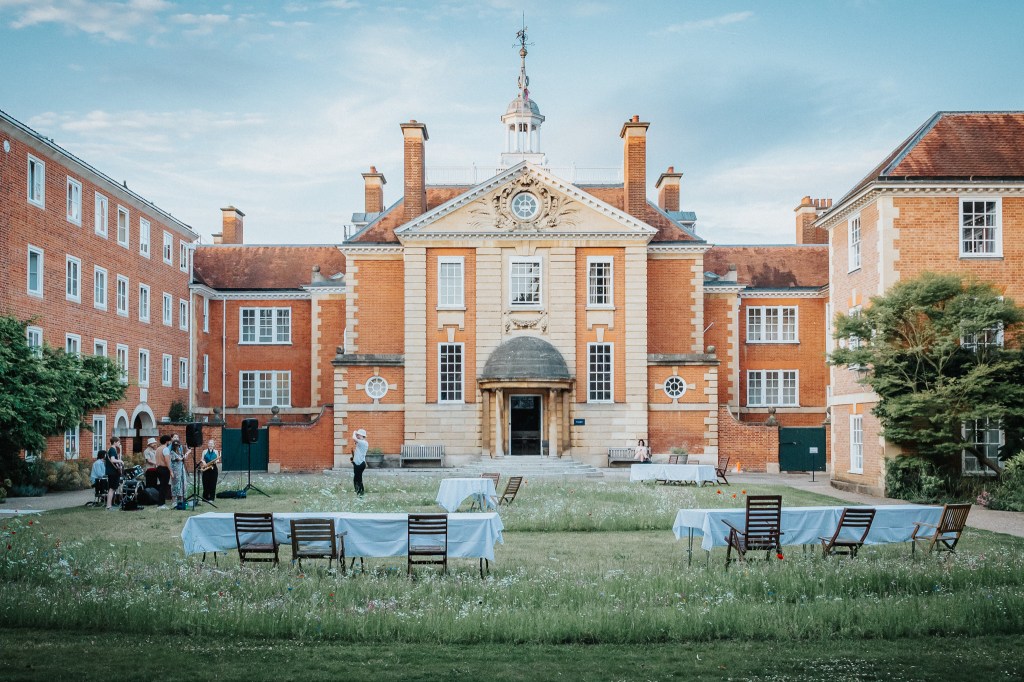
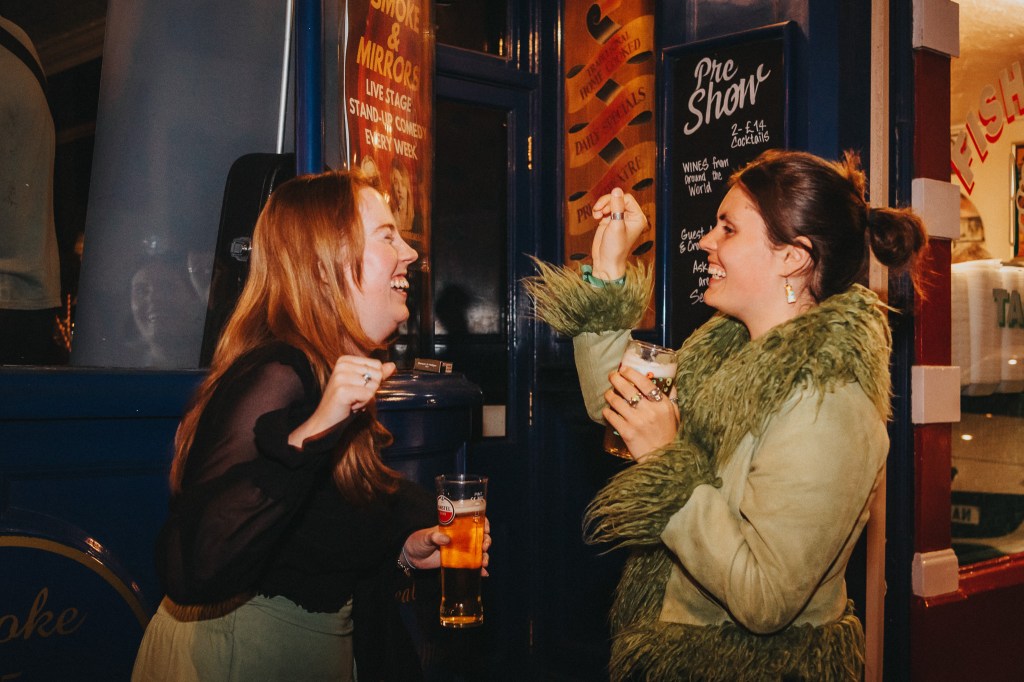
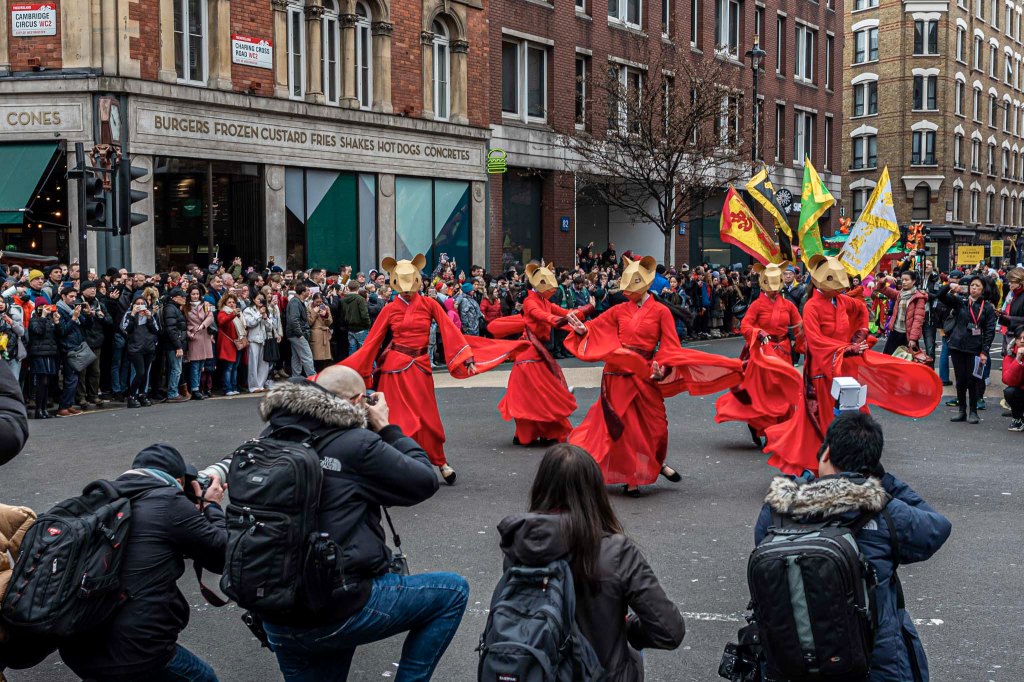
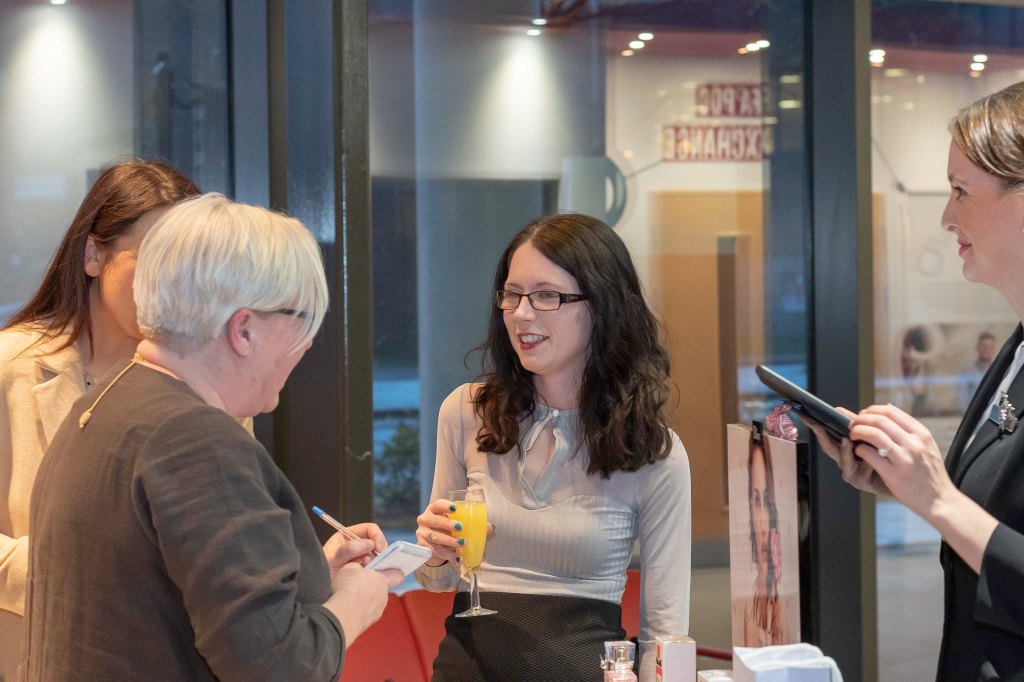
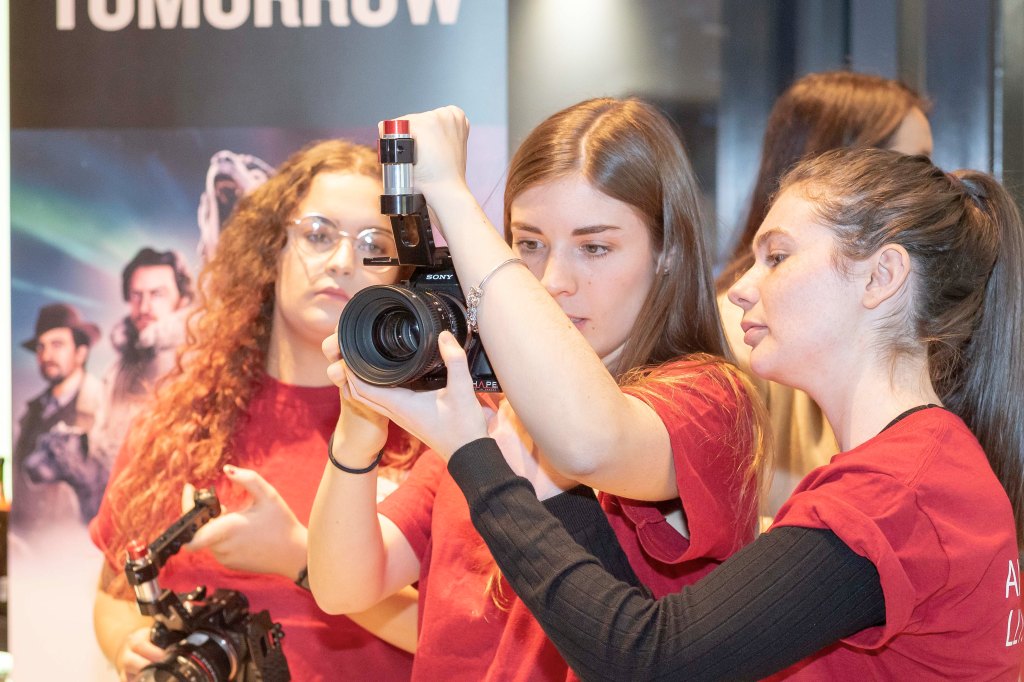
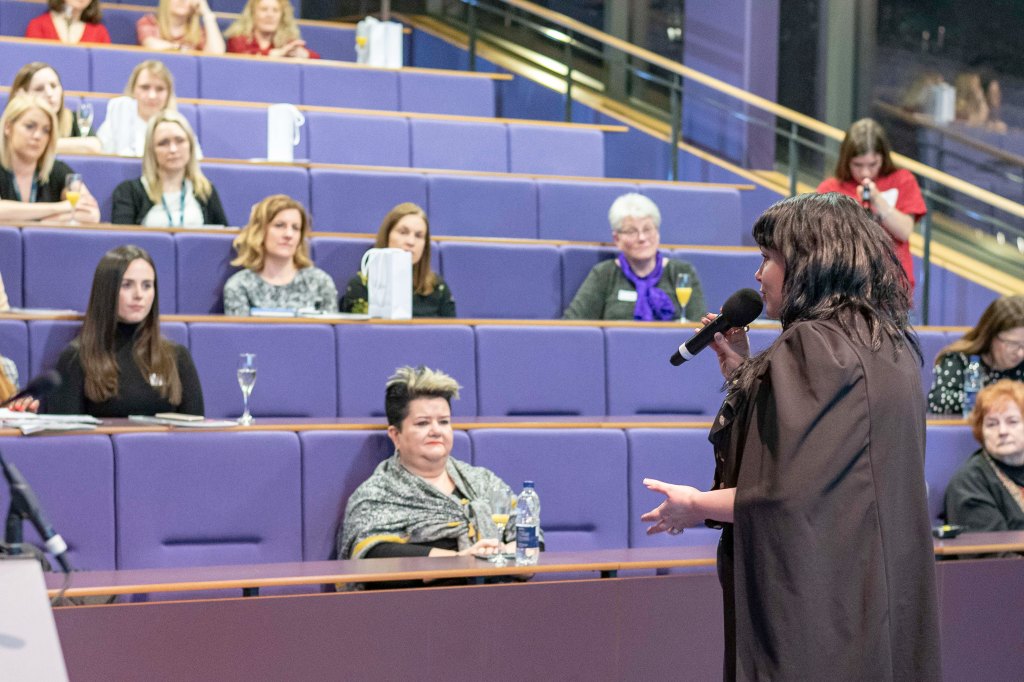
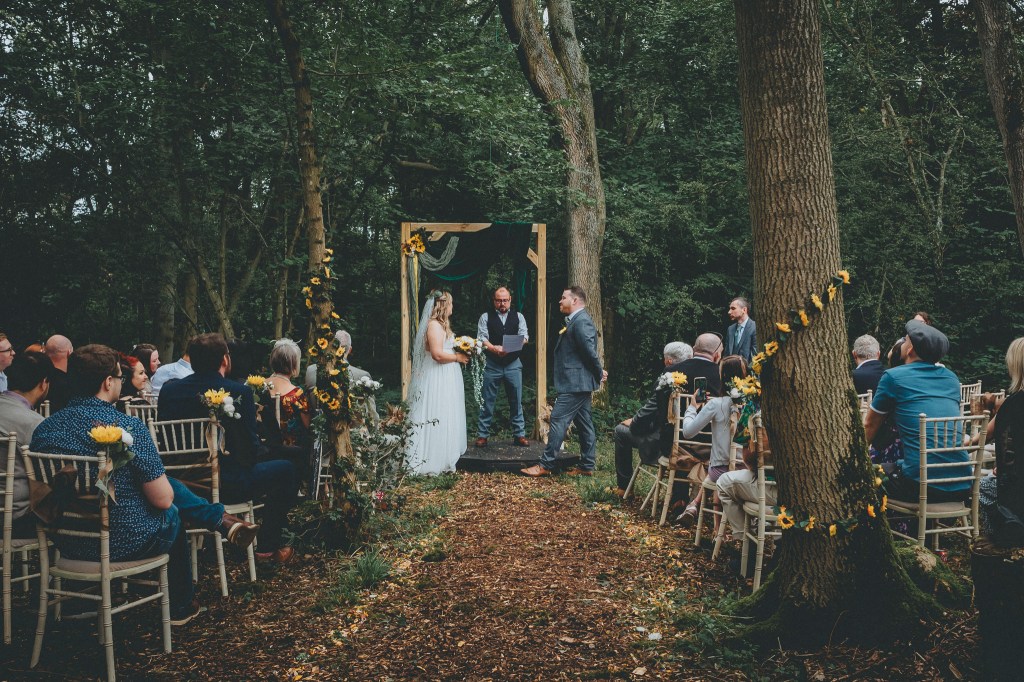
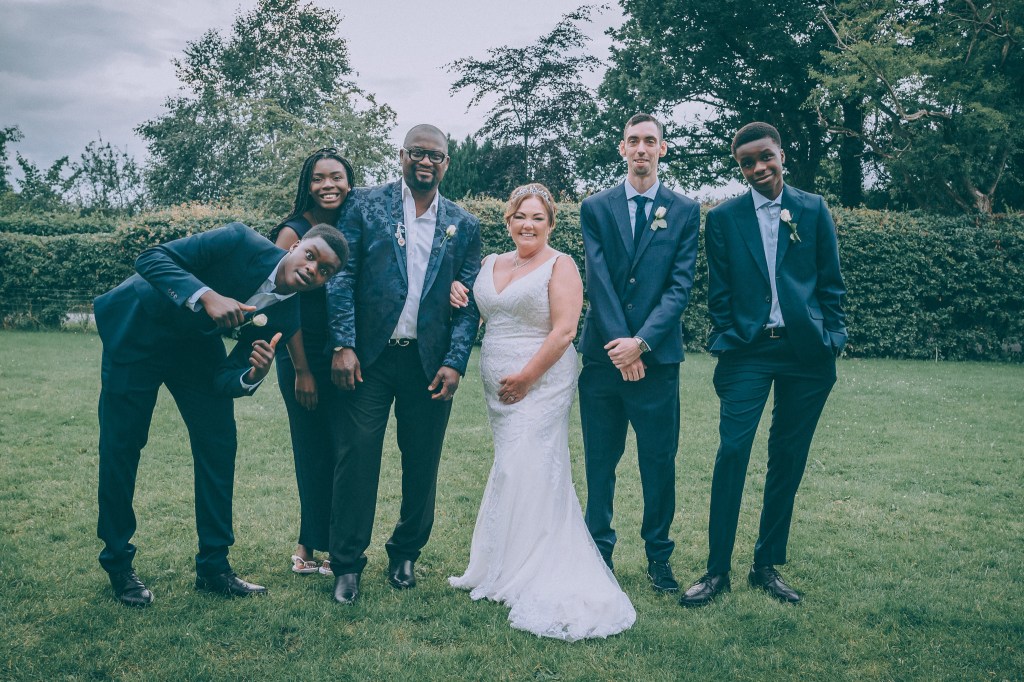


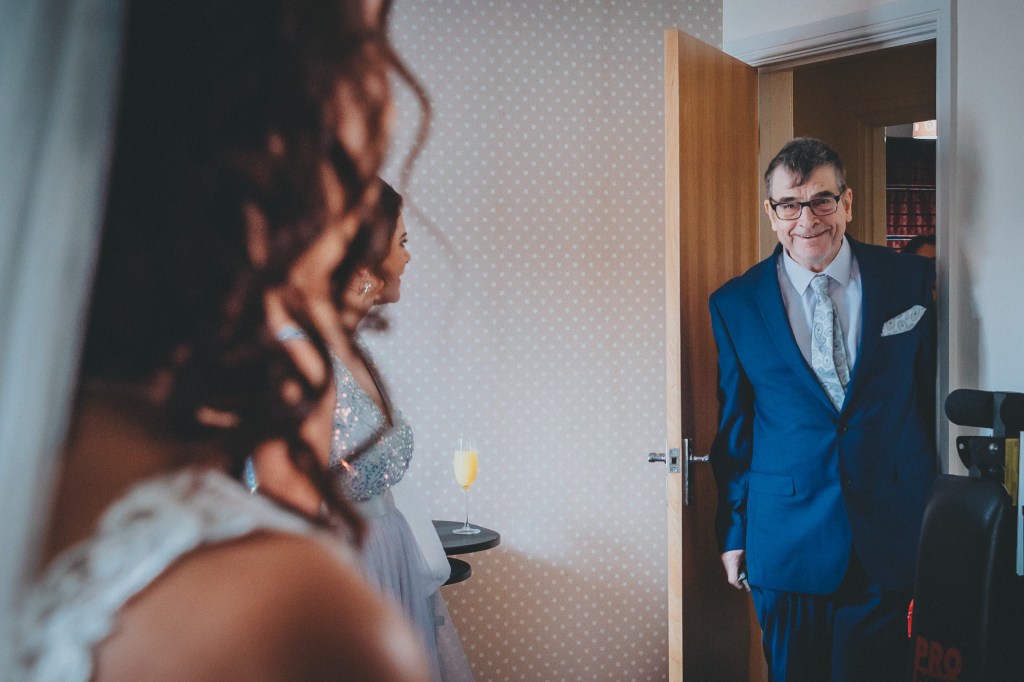

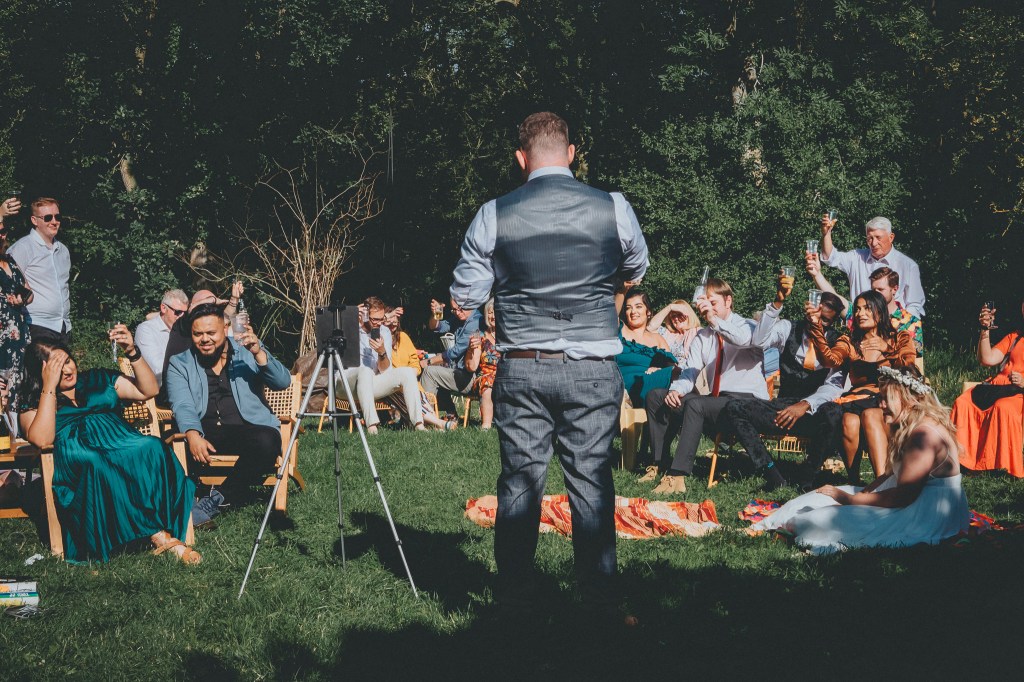
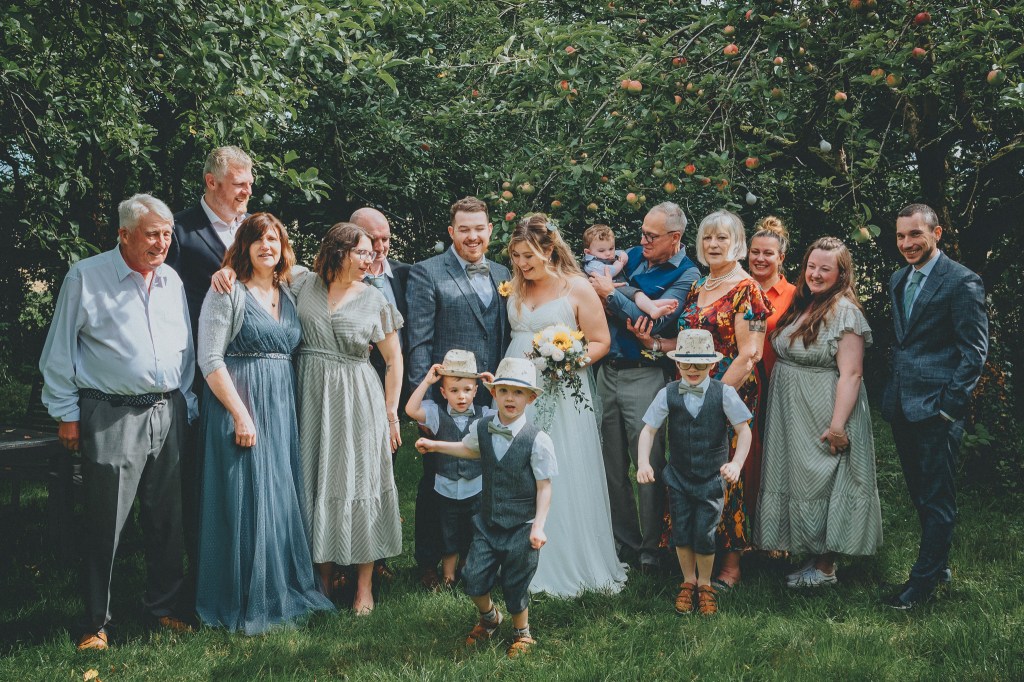
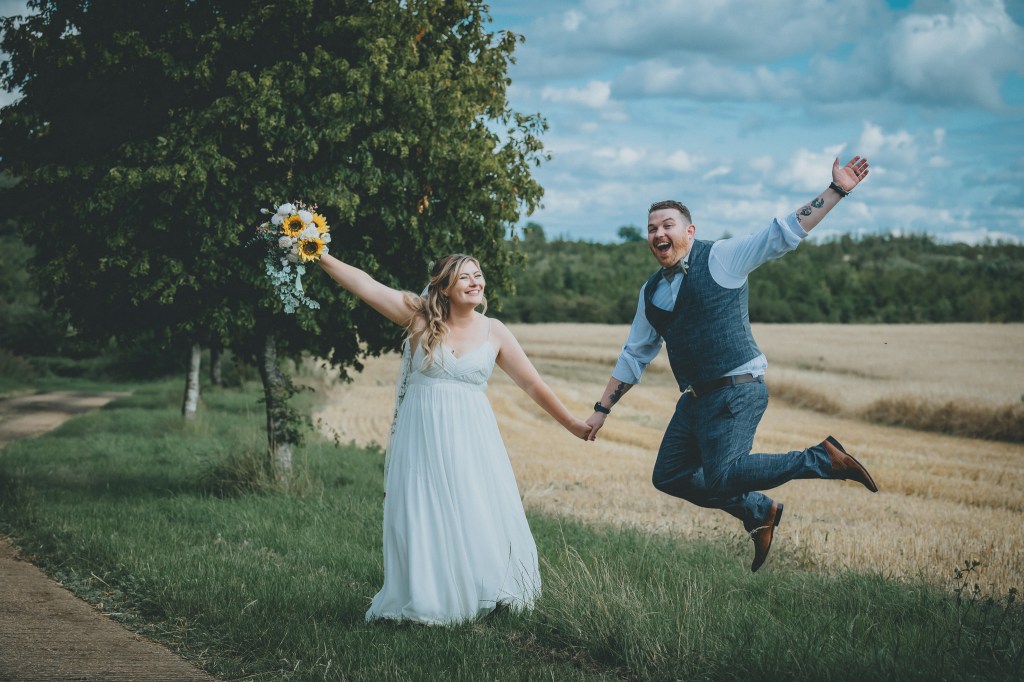
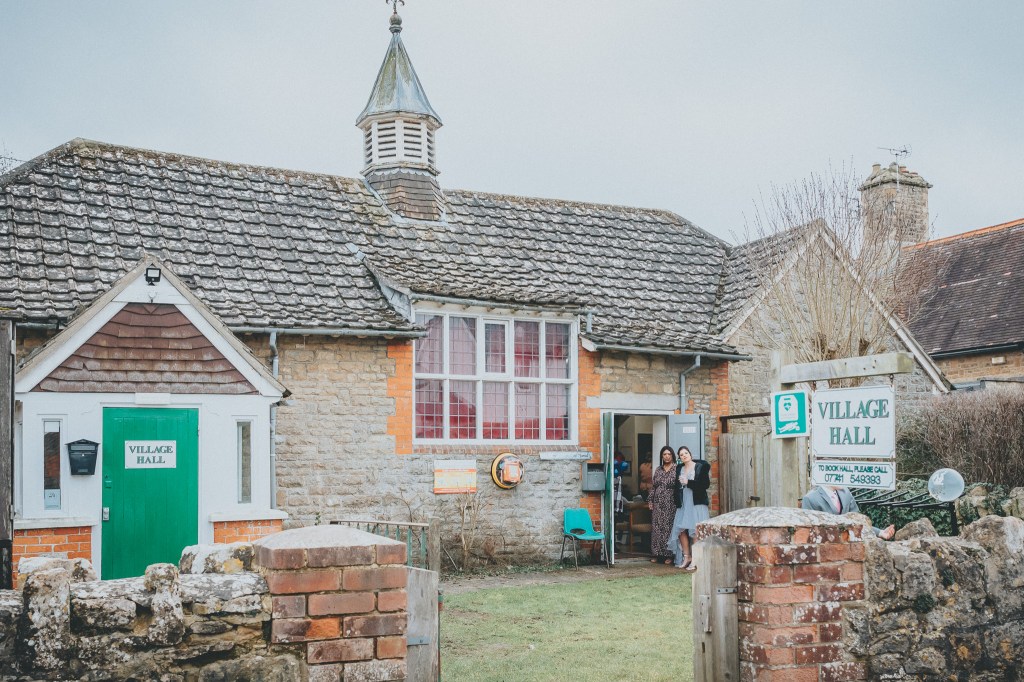
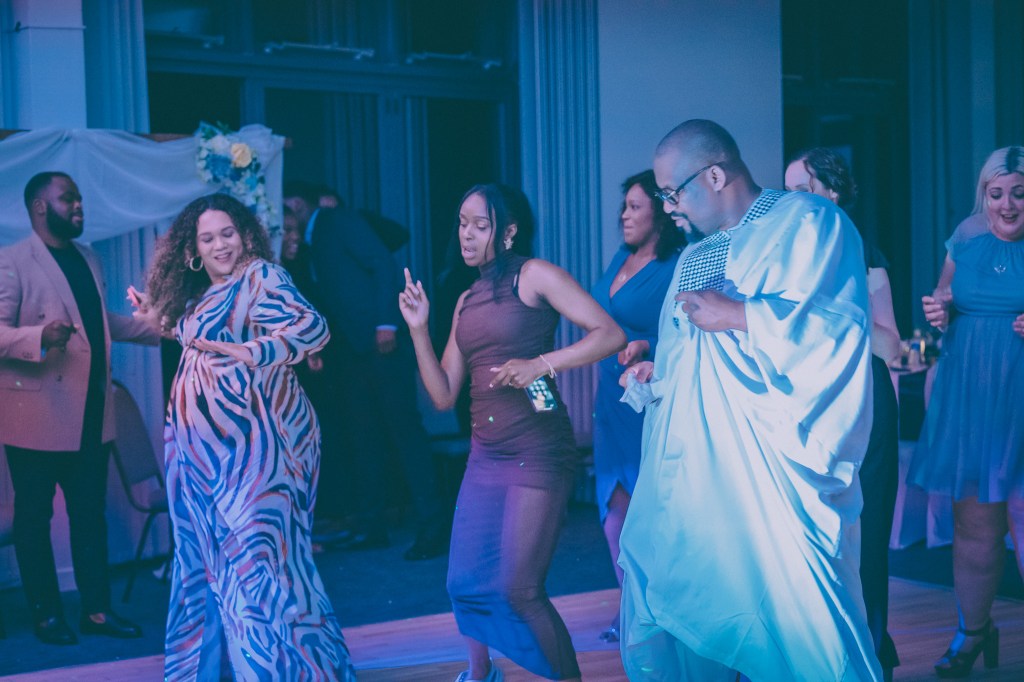
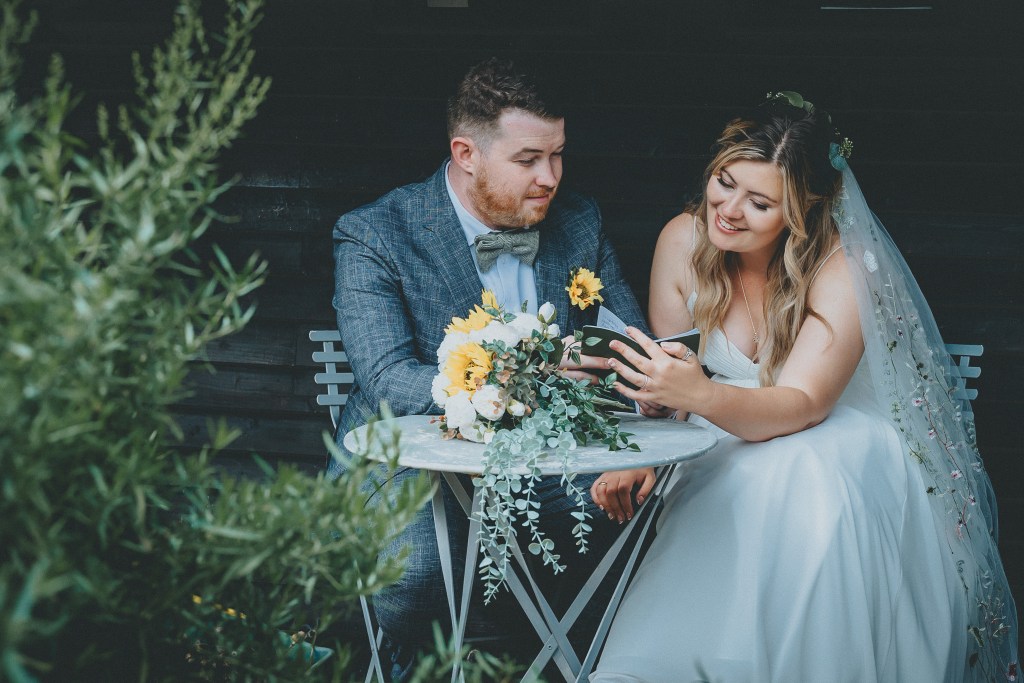
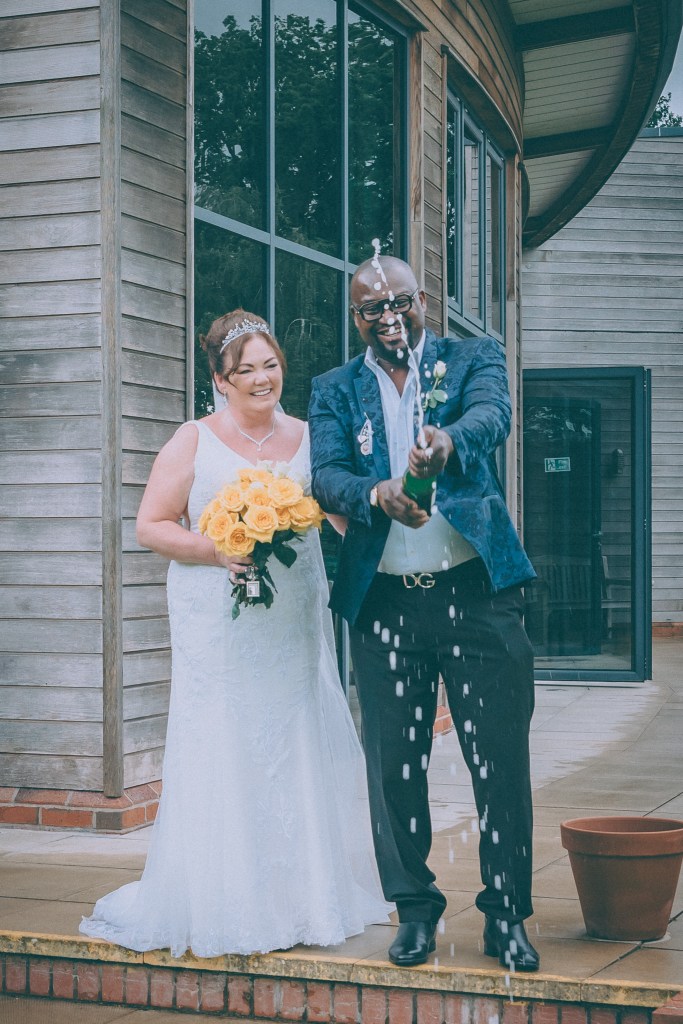
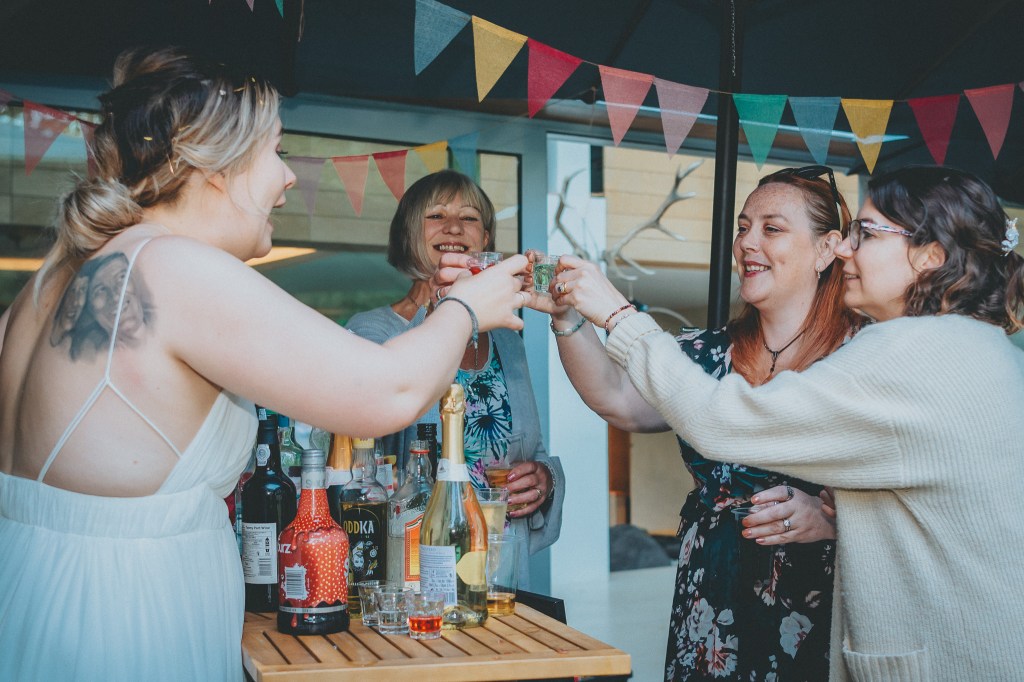

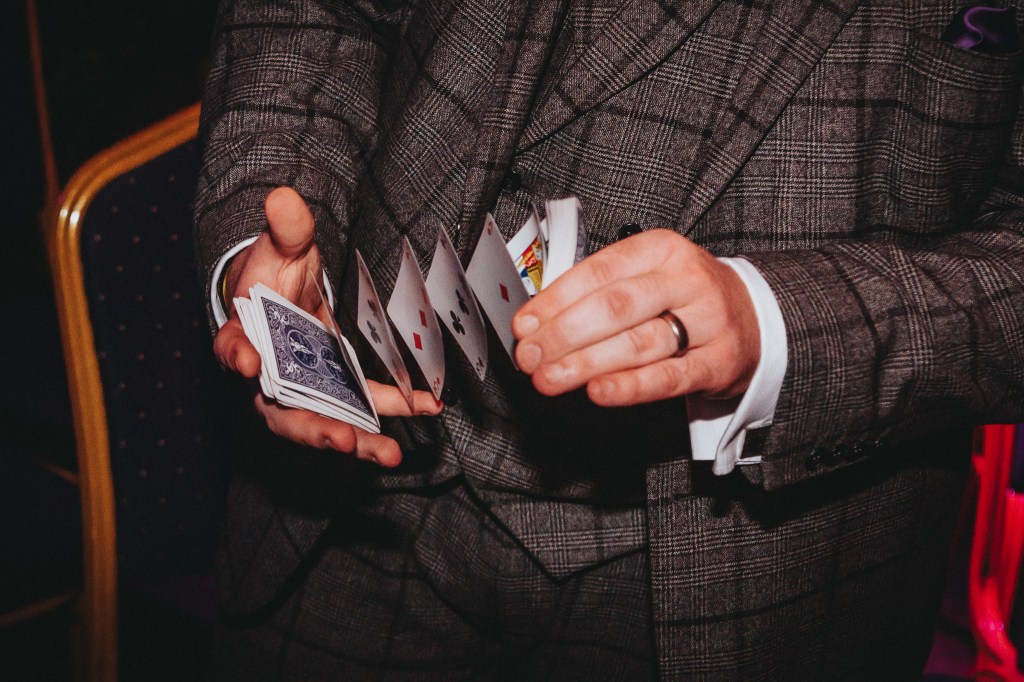
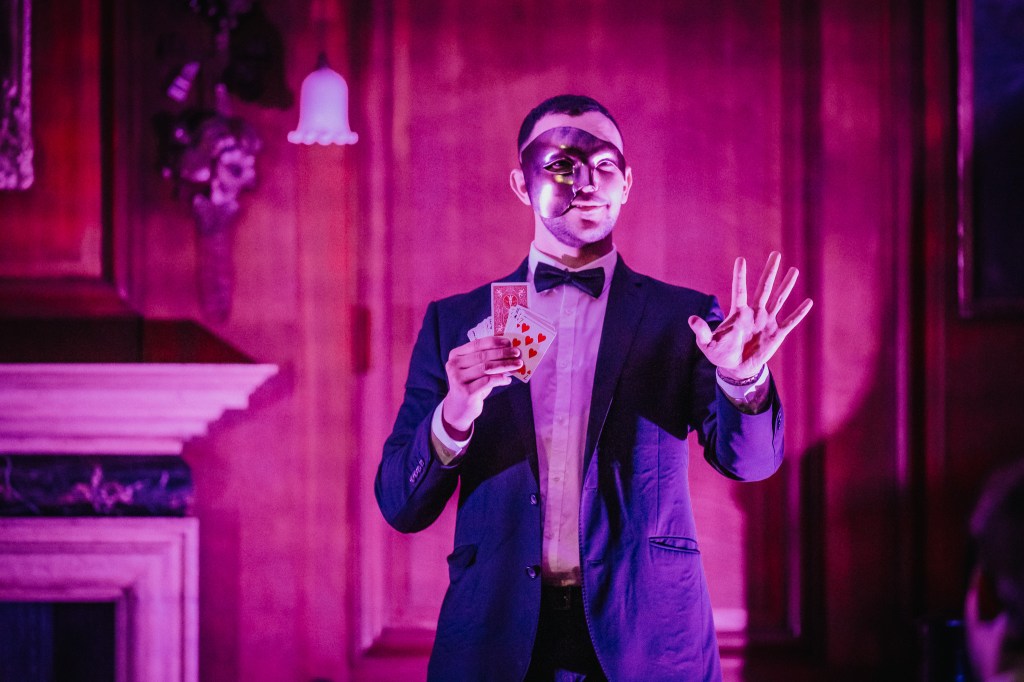

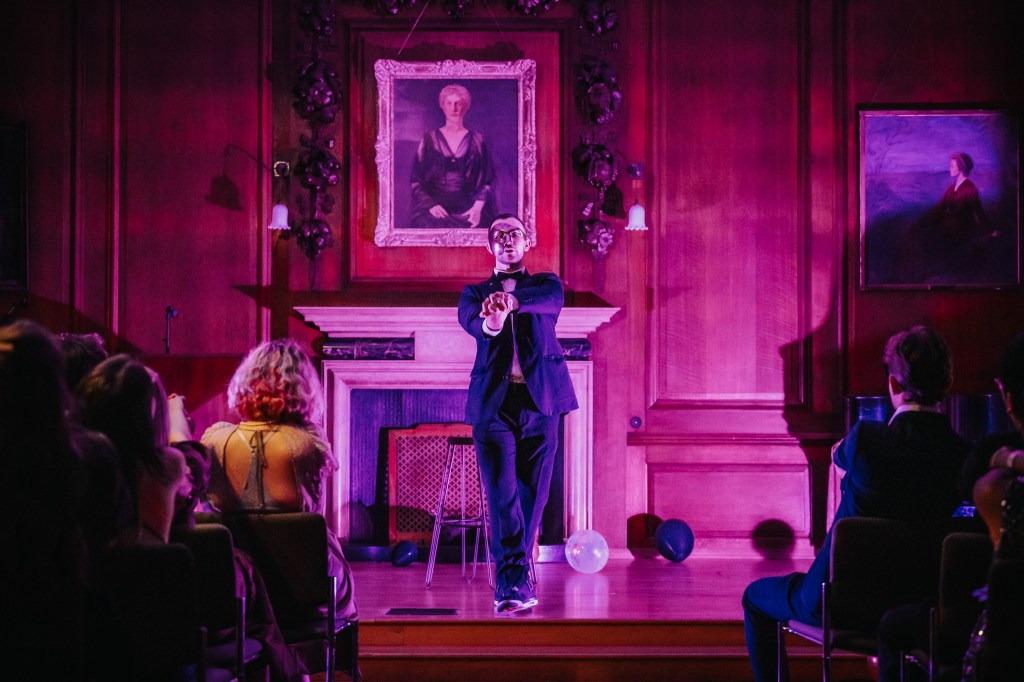

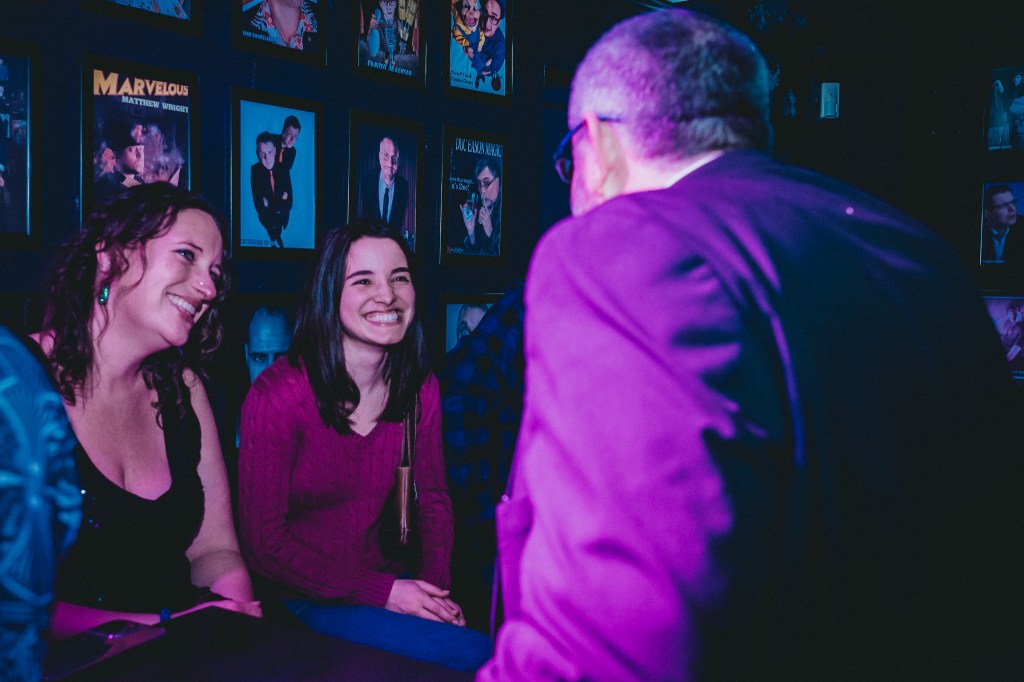
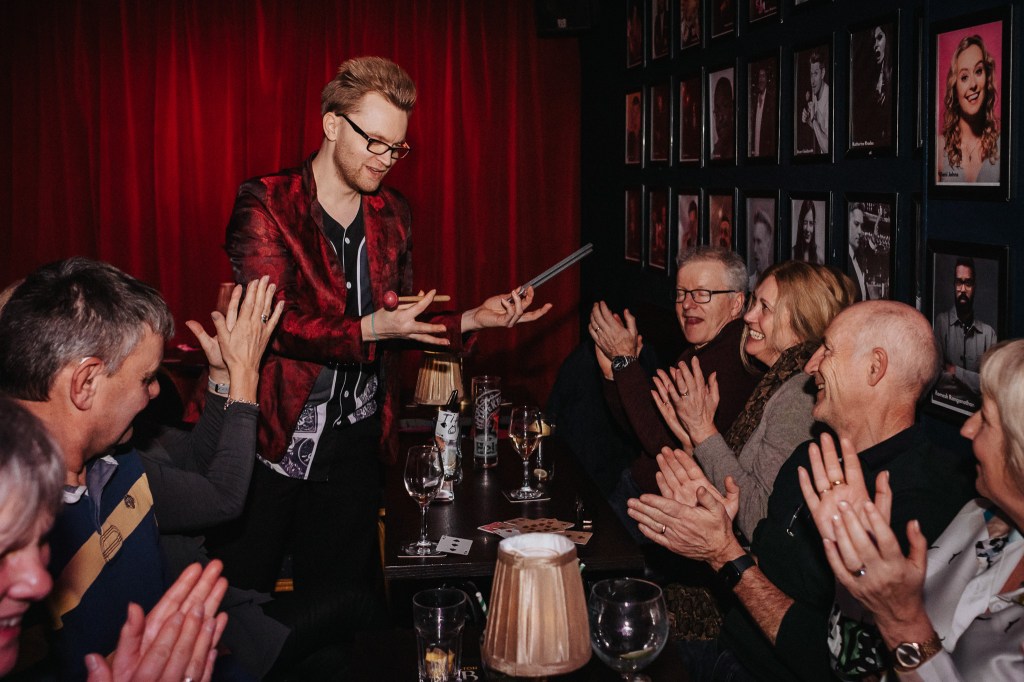
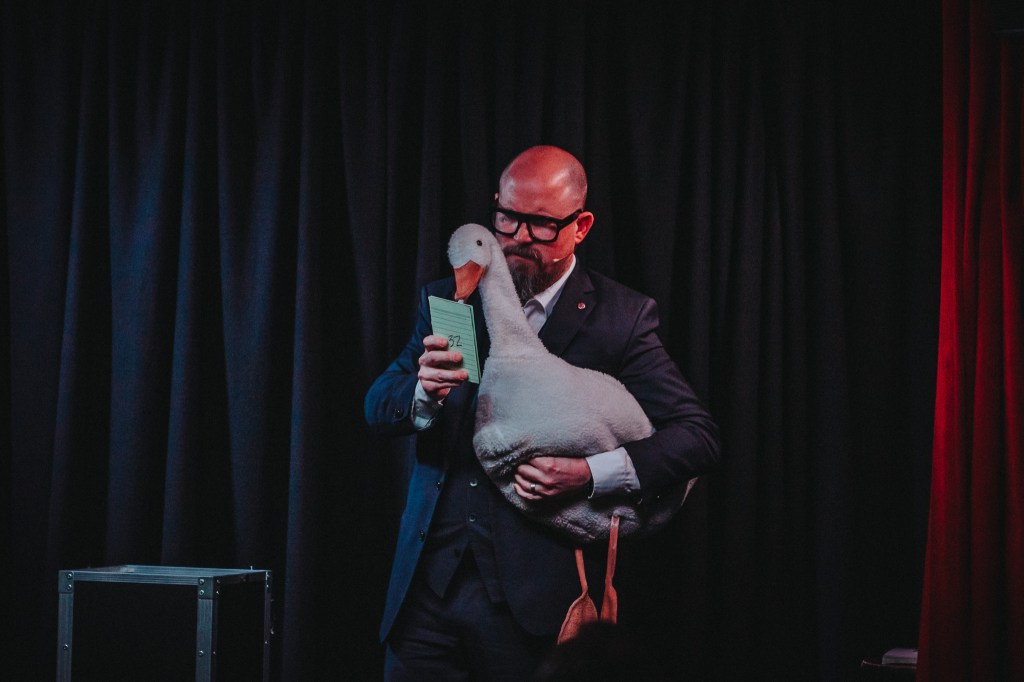
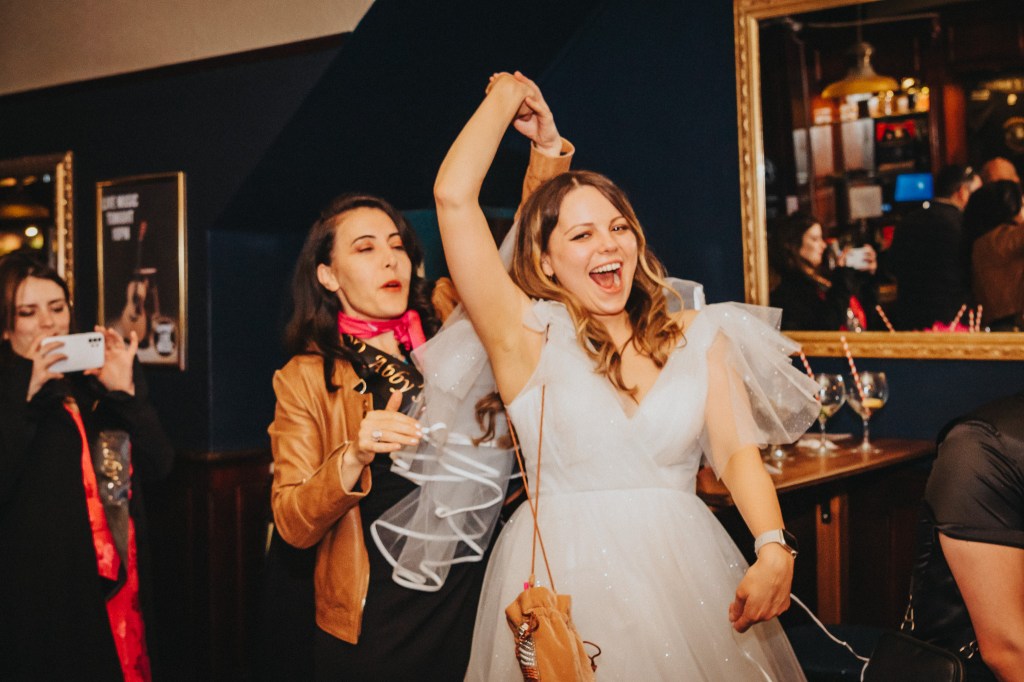

 MKS Photography