Expectation vs Hope: A Photographer’s Perspective on Growth, Clients, and Creative Flow

Uncategorized

As photographers and creative entrepreneurs, we often walk a fine line between passion and pressure. While chasing dream clients, building a brand, and striving to stand out in a saturated market, one key mindset shift can radically transform our journey: understanding the difference between expectation and hope.
MKS/D750

This might sound subtle, but in practice, the distinction can shape everything from how we handle rejection, to how we create, communicate, and grow. In this post, we’ll explore expectation vs. hope through the lens of photography, with real-world applications for business, creativity, and personal well-being.


What is the Difference Between Expectation and Hope?

Expectation

Expectation is a belief that something should happen. It often carries a sense of entitlement or certainty. When we expect something, we attach ourselves to a specific outcome and feel disappointed, frustrated, or even resentful if it doesn’t go our way.

In photography business terms: Expectation might look like assuming a client will book you because you had a great consultation, or believing a post will go viral because you used all the trending hashtags.

MKS/D750

Hope

Hope, on the other hand, is a desire for something to happen, coupled with the acceptance that it may or may not. It’s softer, lighter, and less controlling. Hope doesn’t demand; it wishes. Hope allows for openness, adaptability, and resilience.

In photography: Hope might be feeling excited about a pitch you sent to a travel brand, knowing it may lead to a collaboration, but being okay if it doesn’t because something else might be around the corner.


Why Does This Matter for Photographers?

In the world of freelance photography, managing your mindset can be the secret sauce to long-term success and creative fulfillment. Expectations can lead to stress and burnout. Hope fuels endurance, curiosity, and authentic connection.
MKS/D750

1. Client Interactions: Booking, Ghosting, and Follow-Ups

Photographers often spend hours building proposals, mood boards, and client communications. Naturally, we expect a return: a booking, a deposit, a “yes.”

But here’s the reality: People ghost. Budgets change. Priorities shift.

When we operate from expectation, a no-show or non-reply feels like personal rejection. We start doubting ourselves.

But when we approach with hope: “I hope this client sees the value in my work. If not, it’s not a reflection of my worth,” we stay grounded. We learn, adjust, and keep moving.

MKS/D750

2. Social Media: Engagement, Algorithms, and Validation

Instagram and TikTok are part of a modern photographer’s marketing toolkit. But they’re also emotionally loaded spaces.

We post, expecting likes, shares, and comments. We compare our reach and start tying our value to metrics. That expectation leads to burnout.

Shifting to hope might look like: “I hope this post inspires someone or connects me to the right person. If not, I still created something valuable.”

This reduces pressure and reignites joy.

MKS/D750

3. Creative Projects: Personal Work and Portfolio Building

Creativity thrives in freedom. But when we approach a personal project expecting recognition, publication, or virality, it becomes a performance. We censor ourselves, we hesitate, we burn out.

With hope, we pursue projects because they matter to us. We share because we want to connect, not impress. This authentic approach often does resonate — because it’s real.
MKS/D750

4. Long-Term Business Goals: Growth and Sustainability

Expectation: “If I hustle for two years, I deserve to be fully booked and financially secure.”

Hope: “I hope my consistent work leads to growth, but I know the path may zig-zag.”

Hope gives us the grace to weather slow seasons, evolve our niche, and find unexpected opportunities. Expectation turns the journey into a checklist with high-stakes pressure.


Real-World Examples from a Photography Career

Let’s put theory into practice. Here are real examples from the trenches of freelance photography:
MKS/D750

📸 A Corporate Event Shoot

You create a proposal for a corporate client. You’ve had two amazing meetings. You’re already mentally spending the fee.

Expectation: When they choose someone else, you’re crushed, and wonder, “What did I do wrong?”

Hope: You feel disappointed, but think, “That wasn’t meant for me. Let me follow up with the next lead.”

🌟 A Viral Food Photography Post

You styled and shot a beautiful series. You’re sure it will trend.

Expectation: It flops. You question your aesthetic. Maybe you’re not as good as you thought?

Hope: You remind yourself the algorithm is fickle. You still love your work. You post again tomorrow.

🚀 Pitching to Dream Clients

You reach out to Lonely Planet or a local tourism board. You feel it in your bones — this could be big!

Expectation: No response leaves you discouraged.

Hope: You trust your portfolio is growing stronger, and you pitch again, maybe even better.


Expectation vs Hope: Side-by-Side Comparison
MKS/D750
AspectExpectationHope
Emotional toneRigid, demandingFlexible, open
Outcome attachmentTied to one specific resultAllows multiple outcomes
Response to failureFrustration, self-doubtAcceptance, curiosity
Creative impactFear-driven, perfectionistFreedom to experiment
Business resilienceFragile – breaks when outcomes aren’t metDurable – adapts and persists
Relationship buildingCan create pressure or entitlementBuilds trust and patience

How to Cultivate Hope Over Expectation in Your Photography Career
MKS/D750
  1. Set Intentions, Not Demands
    • Swap “I need this to happen” with “I’d love for this to happen, but I’ll be okay either way.”
  2. Celebrate the Process, Not Just the Outcome
    • Share behind-the-scenes. Talk about what you learned. Let people into your creative flow.
  3. Detach From Metrics
    • Focus on connection, not likes. Post what you love, not just what performs.
  4. Diversify Your Income and Creative Outlets
    • Having multiple revenue streams or creative projects reduces pressure on any one thing.
  5. Reflect Often
    • Journal about your wins, lessons, and growth. This grounds your hope in progress.

Final Thoughts: Lead With Hope, Not Expectation

MKS/D750

In both photography and life, expectation narrows our vision. Hope expands it.

As a photographer, you won’t always be booked solid. Not every pitch will get a reply. Not every image will trend. But if you lead with hope — grounded in effort, fueled by love for your craft — you’ll go further and feel better doing it.

Create. Share. Pitch. Repeat. Hope for the best, prepare for all outcomes, and know that every step is part of the story.

Because in this creative life, hope isn’t weakness — it’s your quiet superpower.
Illuminate Your Shots: Top 5 Tips for Stunning Low Light Photography

Uncategorized

Hey there, photography enthusiasts! 🌟 Just so you know, this post contains affiliate links. Clicking on them won’t cost you a single extra penny, but it might help me earn a small commission to fund my next late-night photo adventure (and perhaps a cup of coffee or two!). Thanks for your support—you rock! 📸✨

Ever tried snapping a photo at dusk or indoors without much lighting, only to end up with a dark, grainy image that does not do the moment justice? You are not alone! Low light photography can be tricky, but it is also a fantastic opportunity to get creative and capture stunning images you would not achieve in broad daylight. Whether it is a cozy candlelit dinner, a lively concert, or a serene night landscape, low light conditions can add a magical touch to your photos. 

But how do you make the most of these dimly lit scenes without ending up with a blurry mess? Grab your camera and let us dive into five expert tips that will help you shine bright in low light! 

I am always working with Nikon D750 (which is not produced anymore, check Nikon D780 instead) or with mirrorless Nikon Z7II and Nikon lenses, which I highly recommend but you do you and research the market before you make decision which brand you prefer.

1. Open with a Wider Aperture 

Imagine your camera’s aperture as the pupil of an eye—it controls how much light gets in. In low light situations, you will want to open that pupil wide to let in as much light as possible. 

MKS/D750

Why Aperture Matters 

More Light, Better Exposure: A wider aperture (which means a smaller f-number like f/1.8 or f/2.8) allows more light to hit your camera’s sensor. This is crucial when ambient light is scarce. 

Shallow Depth of Field: A wide aperture creates a pleasing blur in the background, making your subject stand out. It is perfect for portraits where you want the focus on a person’s face while the background softly fades away. 

MKS/D750

Choosing the Right Lens 

Prime Lenses Are Your Friends: Prime lenses (those with a fixed focal length) often have larger maximum apertures than zoom lenses. For instance, a 50mm f/1.8 lens is affordable and excellent for low light. 

My Go-To Gear: Personally, I love using a Nikon FE 24-70mm f/2.8 and Nikon Z 70 – 200mm f/2.8 lenses. It gives me versatility in focal lengths while still offering a decent maximum aperture for low light situations. 

Fun Fact 

Did you know that the term “f-number” is a ratio? It is the focal length divided by the diameter of the aperture. So, a smaller f-number means a larger aperture! 

2. Increase the ISO (But Keep an Eye on Noise) 

ISO is like your camera’s sensitivity to light. Cranking it up helps you capture images in darker settings without a flash. But there is a catch—higher ISO can introduce noise, those annoying grainy specks that can ruin an otherwise great shot. 

MKS/D750

Balancing ISO and Image Quality 

Find Your Camera’s Sweet Spot: Modern cameras handle high ISO much better than older models. Test your camera to see how high you can push the ISO before the noise becomes unacceptable. 

Full-Frame Cameras Shine: Cameras like the Sony A9 II, Canon EOS 1DX Mark III, or Nikon Z9 perform exceptionally well at high ISO settings. They let you shoot at ISO 3200 or even higher with minimal noise. 

MKS/D750

Pro Tips 

Noise Reduction Software: Programs like Adobe Lightroom have noise reduction features that can help clean up your images in post-processing. 

Expose Correctly: Underexposed images amplified in post-processing show more noise than images correctly exposed at higher ISO. 

MKS/D750

Quick Anecdote 

I once shot a concert where the lighting was non-existent. By pushing my ISO to 6400 and carefully adjusting my other settings, I captured vibrant images that conveyed the energy of the performance without excessive noise. 

3. Slow Down Your Shutter Speed 

Shutter speed determines how long your camera’s sensor is exposed to light. Slower shutter speeds mean more light, but they also increase the risk of blur from camera shake or moving subjects. 

MKS/D750

Mastering Shutter Speed 

Understand the Basics: Shutter speeds are typically measured in fractions of a second (e.g., 1/60, 1/125). A slower shutter speed like 1/15 lets in more light than 1/125. 

Use a Tripod: To counteract camera shake, especially at slower shutter speeds, a tripod is invaluable. It keeps your camera steady, ensuring sharper images. 

Subject Movement: If your subject is stationary, slower shutter speeds work great. For moving subjects, you might need to find a balance to avoid motion blur. 

Get Creative with Blur 

Intentional Motion Blur: Sometimes, a bit of blur adds artistic flair. Think of light trails from cars at night or the soft flow of a waterfall. 

Use Image Stabilisation: Some cameras and lenses have built-in stabilisation (IBIS or OIS) that helps reduce blur from slight movements. 

DIY Stabilisation 

No tripod? No problem! Improvise by resting your camera on a steady surface like a wall, table, or even a backpack. I have balanced my camera on all sorts of objects in a pinch! 

4. Introduce Additional Light Sources 

All right, this might feel like bending the rules, but adding light can dramatically improve your low light photography. 

MKS/D750

Using Flash and External Lights 

On-Camera Flash: Built-in flashes can be harsh. Try diffusing the light by attaching a small piece of white paper or plastic over the flash. 

External Flash Units: These offer more control. You can bounce the flash off ceilings or walls to spread the light more evenly. I am using Nikon speed light SB-5000 and it is great.

Continuous Lighting: LED panels or even a smartphone flashlight can provide a constant light source. 

Making the Most of Available Light 

Seek Out Ambient Light: Street lamps, neon signs, candles, or even the glow from a laptop screen can add interesting lighting to your photos. 

Adjust Your Position: Sometimes, moving your subject closer to a light source or changing your angle can make a significant difference. 

Creative Lighting Hacks 

Reflectors: Use reflective surfaces like mirrors, white boards, or aluminium foil to bounce light onto your subject. 

DIY Solutions: In a dark restaurant without a flash? I have used menus, napkins, and even water glasses to reflect candlelight onto my subject. 

A Fun Experiment 

Once, I used a string of fairy lights as a makeshift light source during a nighttime portrait session. Not only did it illuminate the subject, but it also added a whimsical element to the photos! 

5. Shoot in RAW Format 

Shooting in RAW captures all the data from your camera’s sensor, giving you more flexibility to edit and adjust your images later. 

MKS/D750

Advantages of RAW 

Recover Details: You can pull back details from shadows and highlights that might be lost in a JPEG. 

Better Colour Correction: Adjust white balance and colour profiles without degrading image quality. 

Enhanced Editing: Fine-tune exposure, contrast, and sharpness with more precision. 

MKS/D750

Considerations When Shooting RAW 

Larger File Sizes: RAW files are significantly bigger than JPEGs. Ensure you have enough storage on your memory cards and hard drives. 

Need for Processing: RAW images require post-processing with software like Adobe Lightroom, Photoshop, or other RAW editors. 

lower Workflow: The extra step of processing RAW files means it takes longer to get to your final image. 

Why It is Worth It 

The ability to adjust your low light photos after the fact can be a game-changer. I have saved many images that seemed too dark or noisy by tweaking the RAW files in post-processing. 

FAQs 

What Should I Keep in Mind for Low Light Photography? 

MKS/D750

Be Patient and Experiment: Low light photography often requires trial and error. Do not be afraid to take multiple shots with different settings. 

Know the Exposure Triangle: Understanding how aperture, shutter speed, and ISO work together is crucial.

Watch for Noise and Blur: Balance your settings to minimise noise (from high ISO) and blur (from slow shutter speeds).  

Use Manual Mode: Automatic settings might not cut it in low light. Manual mode gives you full control over your camera. 

Check Your Histogram: This tool helps you understand the exposure of your image, ensuring you are capturing the full range of details. 

Which Equipment Do I Need for Low Light Photography? 

MKS/D750

Fast Lenses: Invest in lenses with wide apertures (like f/1.8 or f/2.8). 

Sturdy Tripod: A must-have for stabilising your camera during long exposures. 

External Flash or Lighting: Provides additional light when natural light is not enough.

Full-Frame Camera: There are cameras which have larger sensors that perform better in low light. Research before you make your choice. 

High-Capacity Memory Cards: Shooting in RAW and high-resolution formats requires more storage space. I am using SanDisk Extreme PRO and am very happy with them.

What is the Right ISO to Use? 

MKS/D750

It Depends on Your Camera and Situation: There’s no one-size-fits-all answer. For some cameras, ISO 1600 might be the limit; others can handle ISO 6400 or higher.
Aim for the Lowest Acceptable ISO: Increase ISO only as much as needed to achieve proper exposure without introducing excessive noise. 

Test and Learn: Spend time understanding how your specific camera model handles different ISO settings in various lighting conditions.

Use Noise Reduction Techniques: Both in-camera settings and post-processing software can help manage noise. 

Final Thoughts 

Low light photography does not have to be daunting. In fact, it opens a whole new world of creative possibilities. By understanding and manipulating your camera’s settings—aperture, shutter speed, and ISO—you can capture stunning images that evoke mood, drama, and atmosphere. 

Remember, photography is both a science and an art. While technical knowledge is essential, do not forget to let your creativity shine. Experiment with different techniques, play with shadows and light, and most importantly, have fun with it! 

So next time you find yourself in a dimly lit setting, do not shy away from pulling out your camera. Embrace the challenge, apply these tips, and watch your low light photography skills light up! 

Happy shooting! 

Capturing Enchantment: Photographing Magicians at Events and Wedding Parties

#event

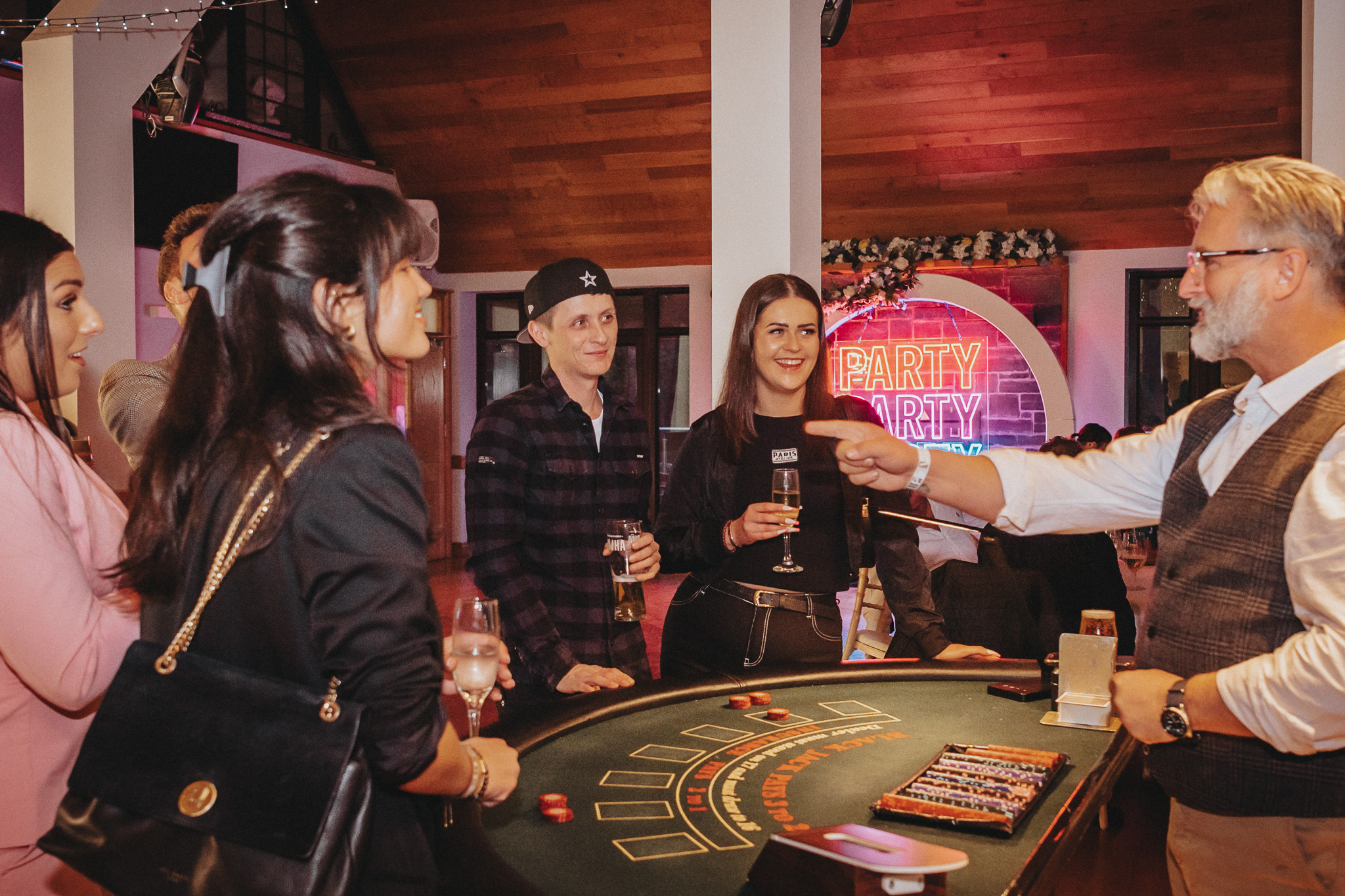
Setting the Stage Magicians have an extraordinary ability to captivate audiences with their mind-bending tricks and illusions. Whether it’s a grand event or an intimate wedding celebration, their performances add an element of wonder and excitement that leaves everyone amazed. As a photographer, capturing these magical moments requires a unique approach that combines technical skill with an understanding of the magician’s craft. In this article, I will delve into the art of photographing magicians at events and wedding parties.

Magicians

Bower Magic, known for his mesmerizing tricks and spellbinding illusions, brings a sense of awe to every event and wedding he attend. From making objects disappear into thin air to mind-reading feats that leave the audience astounded, Bower Magic’s performances are truly a sight to behold.

Smoked and Mirrors, a renowned group of illusionists and tricksters in center of Bristol, brings a sense of awe to every event and wedding they attend. From grand stage productions to intimate close-up magic, Smoked and Mirrors’ performances are truly a sight to behold.

Photographing the Unseen
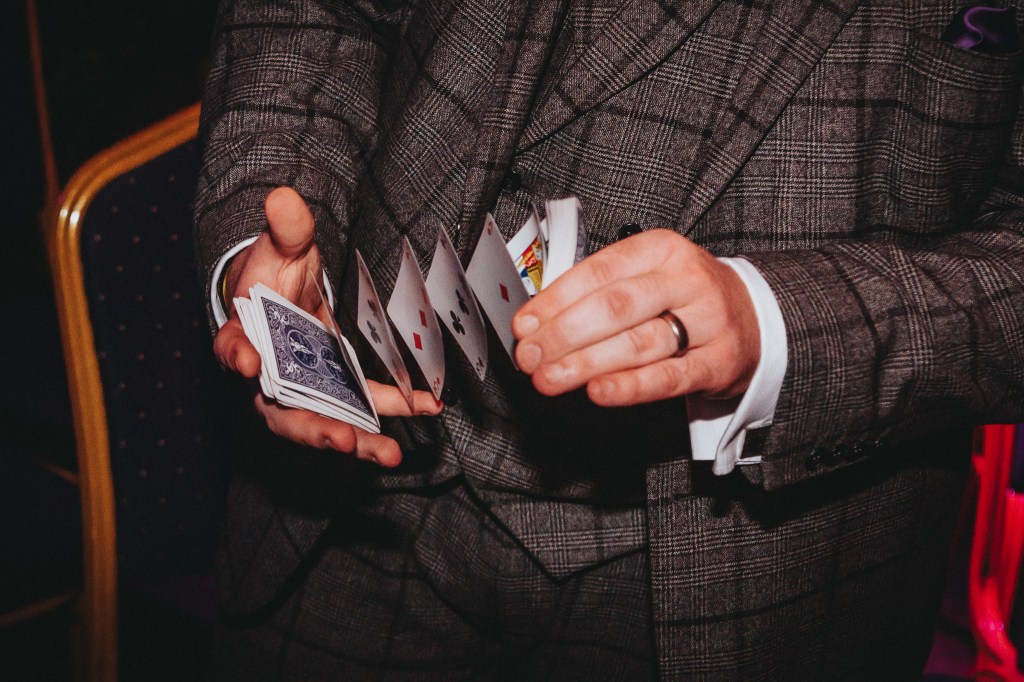
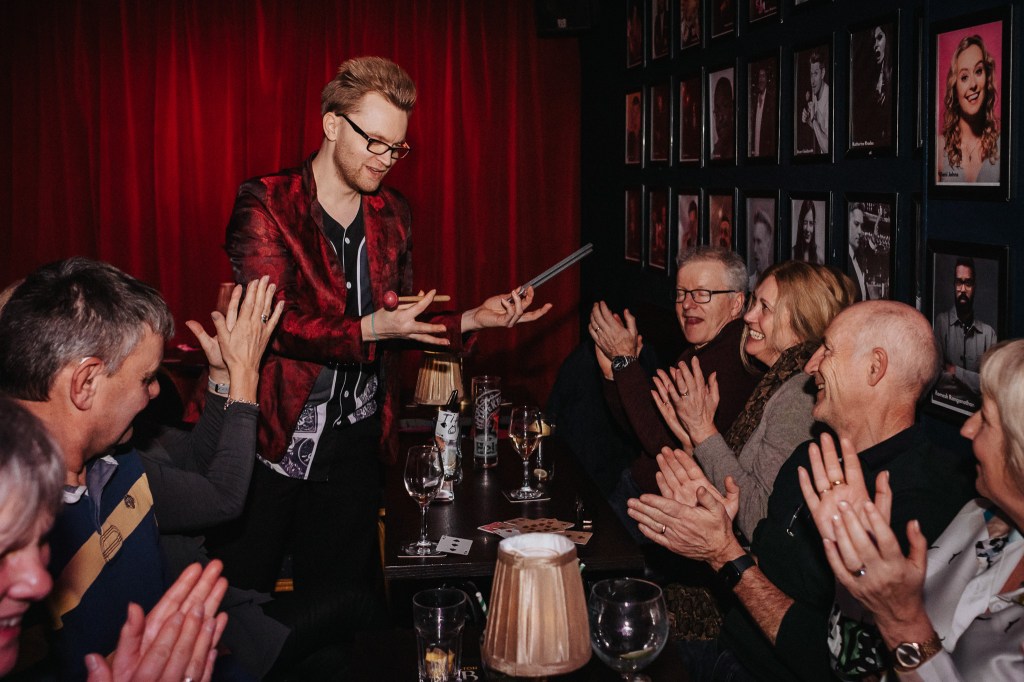
Photographing magicians requires a keen eye for detail and an ability to anticipate the unexpected. Bower Magic’s tricks often involve swift movements and intricate handwork, making it essential for the photographer to be ready to capture those fleeting moments. Utilizing a fast shutter speed and continuous shooting mode can help freeze these split-second actions, ensuring that no magical moment goes unnoticed.

Understanding Lighting
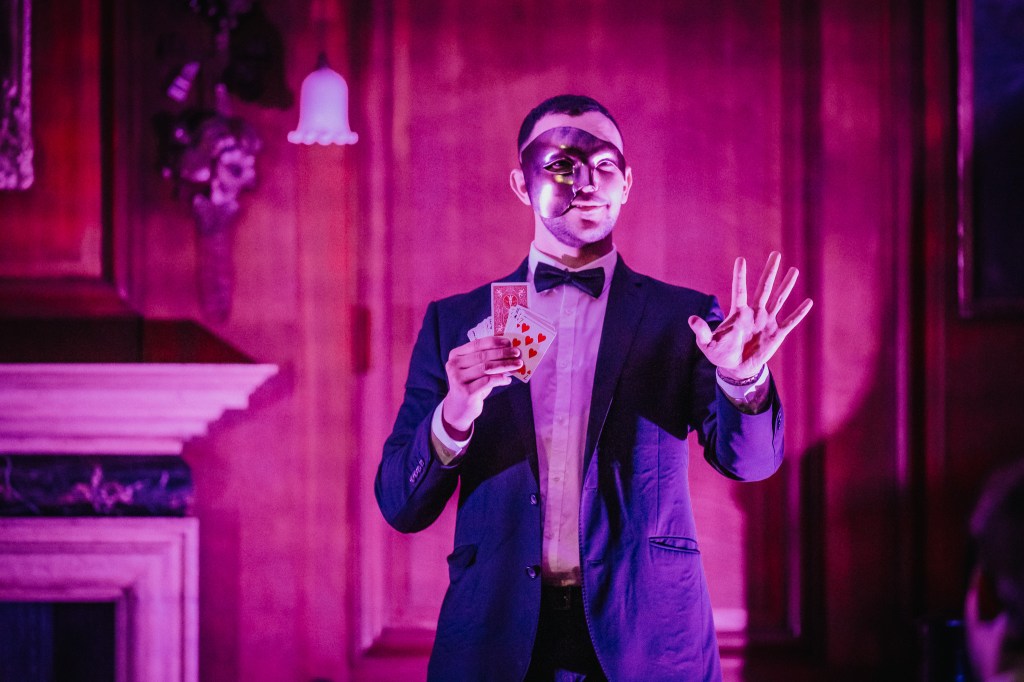
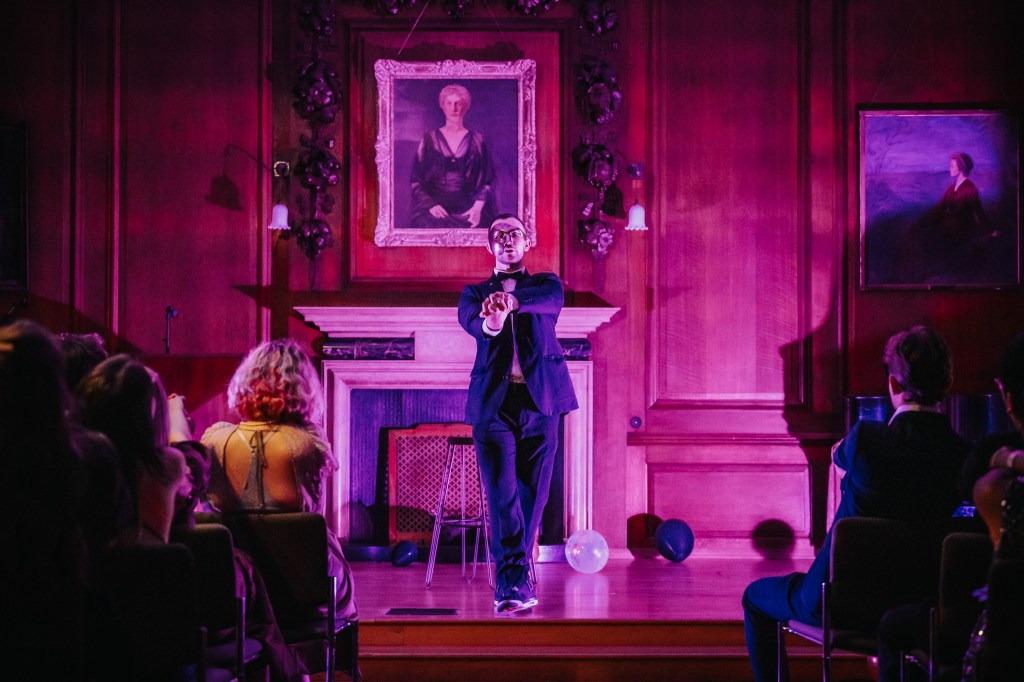
Lighting plays a crucial role in enhancing the enchantment of a magician’s performance. Magicians often use dramatic lighting to create an otherworldly atmosphere, and as a photographer, it’s essential to adapt to these lighting conditions. I can truly say am expertise lies in mastering various lighting scenarios, from dimly lit stages to well-lit wedding venues, ensuring that each shot beautifully showcases the magician’s craft.

Candid Emotions
Beyond the magic tricks, photographing magicians at events and wedding parties offers a unique opportunity to capture candid emotions. The looks of astonishment, laughter, and wonder on the faces of the audience add depth to the story being told through the lens. I excels in candid photography, skilfully capturing the genuine reactions that unfold during magic performances.

Composition and Framing
Composition is key to capturing the essence of a magician’s act. Utilizing creative angles and framing techniques can highlight both the magician’s movements and the audience’s reactions. Whether it’s a wide shot showcasing the magician’s stage presence or a close-up of their intricate hand gestures, I am doing everything to employ a variety of compositional techniques to tell a compelling visual story.

Preserving the Magic
Photographing magicians is not just about documenting the tricks; it’s about preserving the magic and wonder of the moment. The synergy between magic performances and my photography expertise ensures that each photograph tells a story that transports viewers back to the enchanting atmosphere of the event or wedding party.

Collaboration with Licklist In the world of event photography, partnerships are essential. Working closely with Licklist has opened doors to a diverse range of events, allowing me to capture a wide spectrum of moments that define the event experience. This collaboration has provided me with the privilege of photographing not only the captivating performances of magicians like Smoked and Mirrors but also the vibrant energy and atmosphere of the events themselves.

To Sum Up
Photographing magicians requires a multifaceted approach, blending technical finesse with artistic creativity. Whether you’re capturing Bower Magic’s card acts or Smoked and Mirrors’ elaborate illusions, understanding lighting, candid emotions, and effective composition will ensure that you capture the essence of each performance. Capturing the spellbinding performances of magicians at events and wedding parties requires more than just technical prowess—it demands an appreciation for the magic that unfolds before the lens. Through my lens and the collaboration with Licklist, these magical moments are immortalized, allowing the wonder, awe, and joy to be relived by both the audience and the couples who include enchantment as a part of their special day. So, the next time you witness a magician’s act, remember that behind every captivating photograph is a photographer dedicated to preserving the magic.

Share Your Magical Moments Have you captured enchanting moments during magician performances or other special events? I would love to hear about your experiences and see your captivating photographs! Share your stories and images in the comments below and let’s celebrate the art of capturing magic together.
The Canada Lodge & Lake Wedding Possible Ideas

Uncategorized

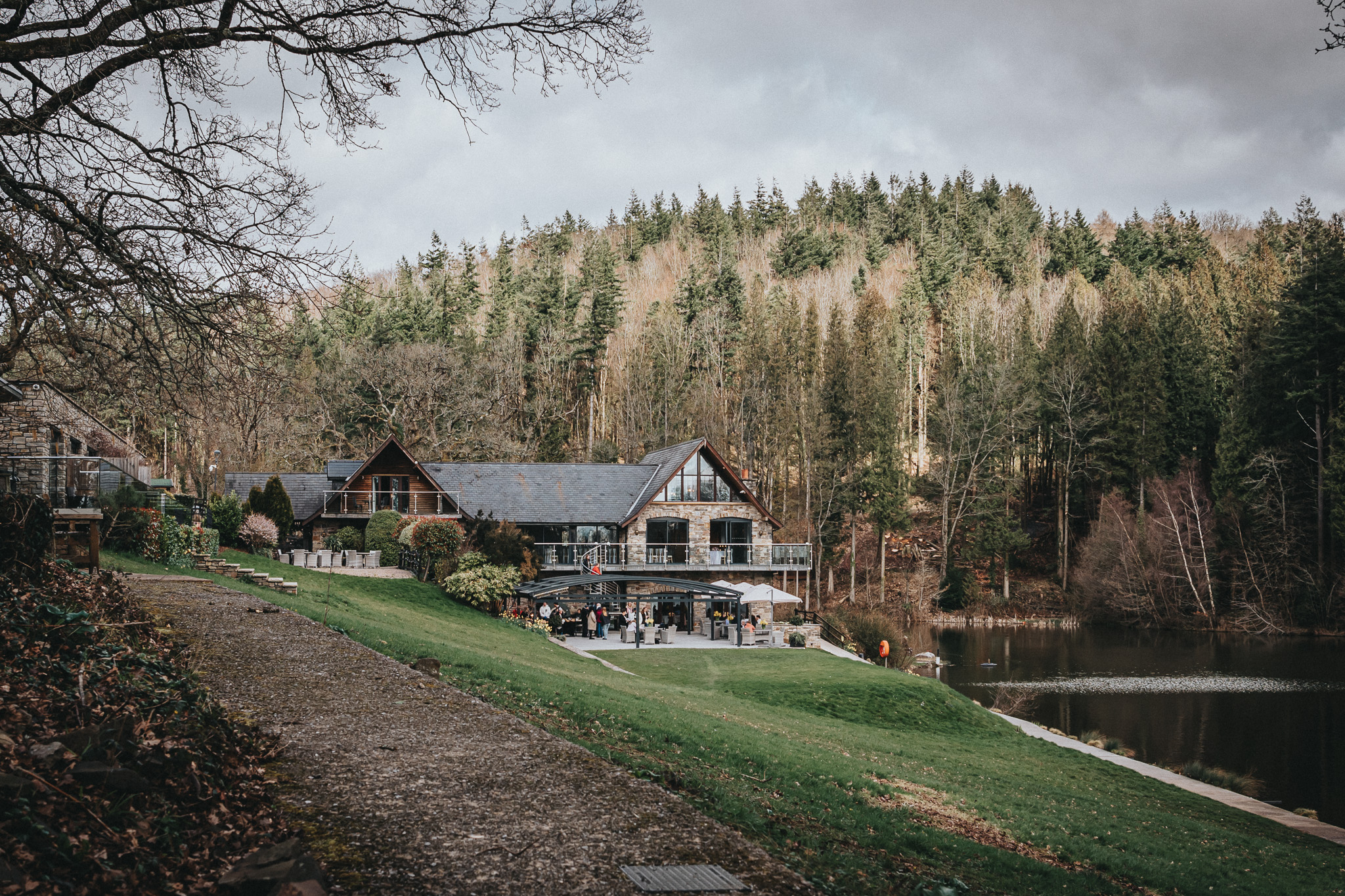
I am extremely excited every time The Canada Lodge & Lake are contacting me about upcoming event. It is fast becoming one of my favourite venues for weddings. Situated just a stone’s throw away from Cardiff City Centre, it is an absolute hidden gem.
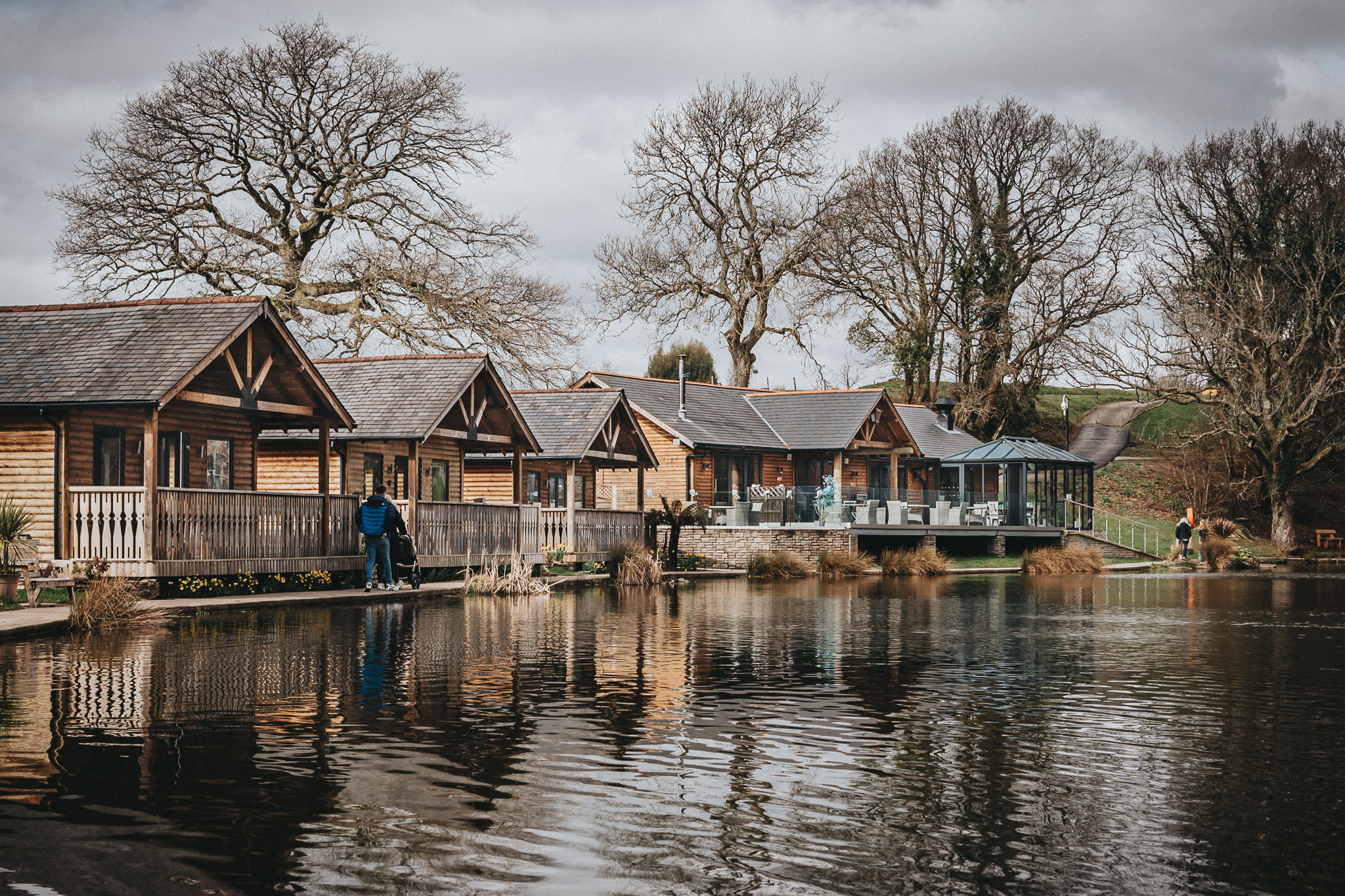
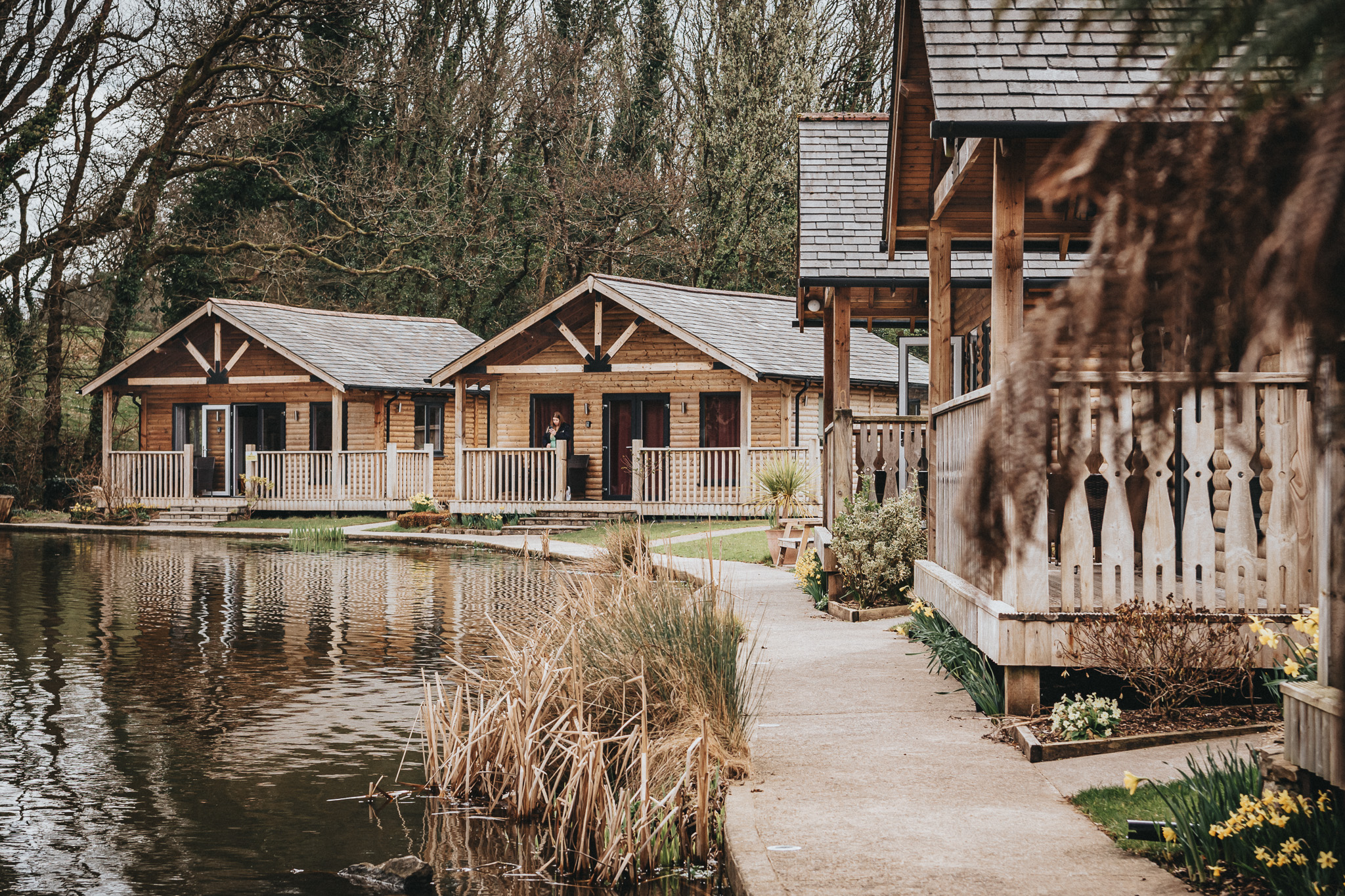
The Lodge itself is a perfect option for weddings of more than 50 guests. Despite being located so close to the Cardiff, it is surrounded by the woods and has a gorgeous five-acre lake, views onto The Rhodri’s By The Lake and on-site cabins and subterranean apartments available for you and your guests.

The experienced team of event coordinators is there to help from the day you book your wedding until the moment you walk down the aisle. They are fully licensed for civil weddings and partnerships, which means you do not have to spend extra money somewhere else.

The Oak Room

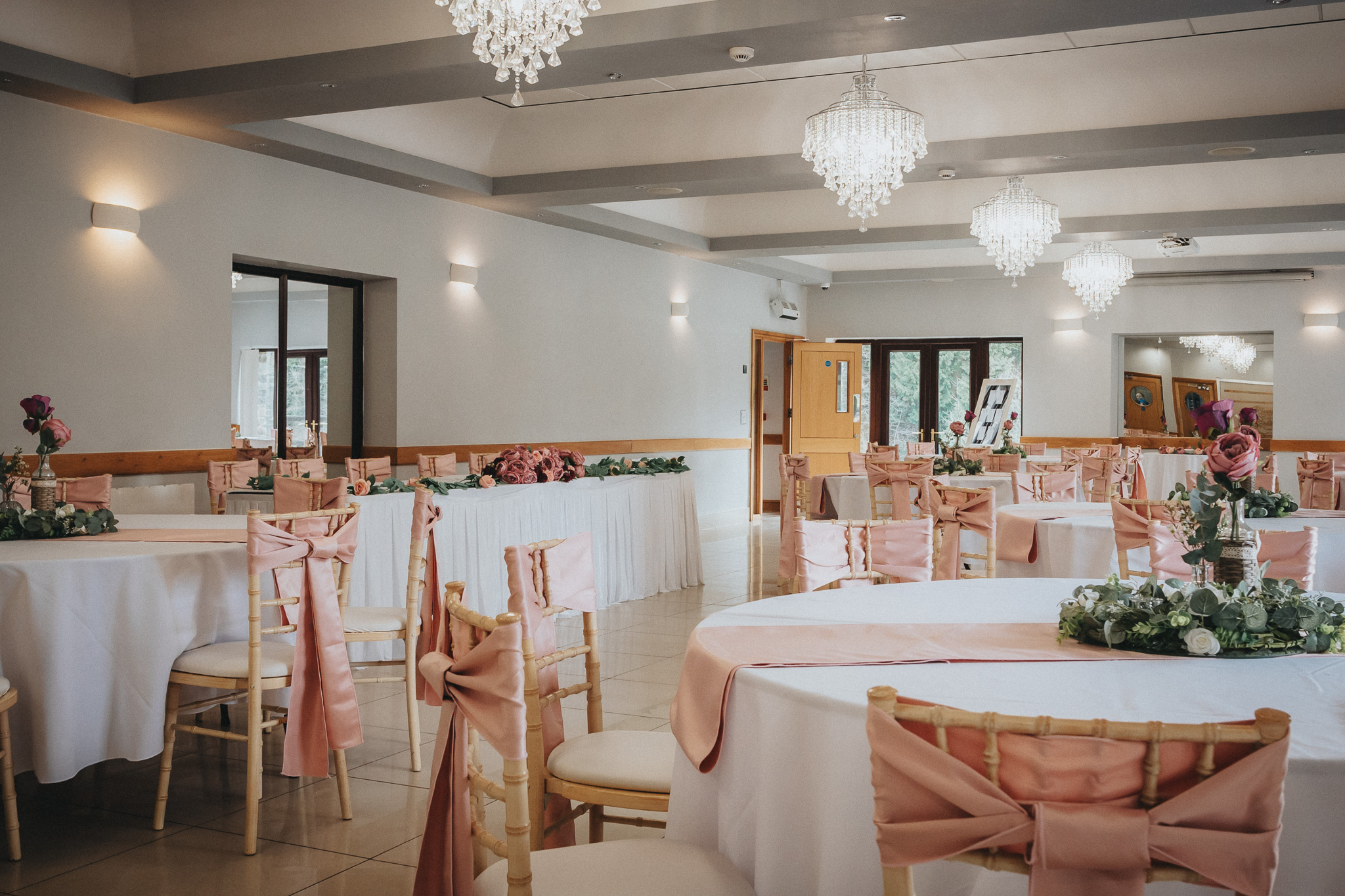
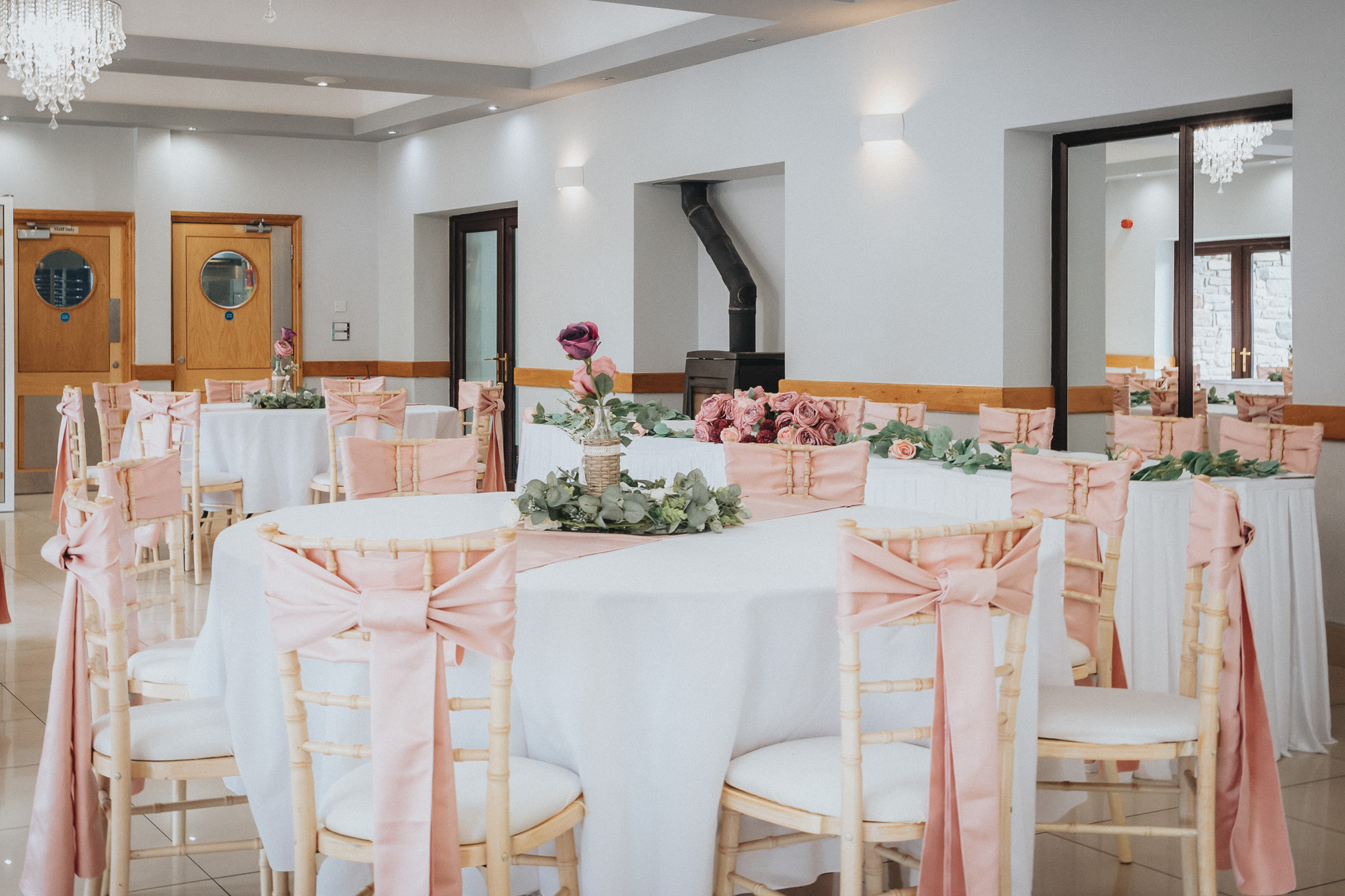
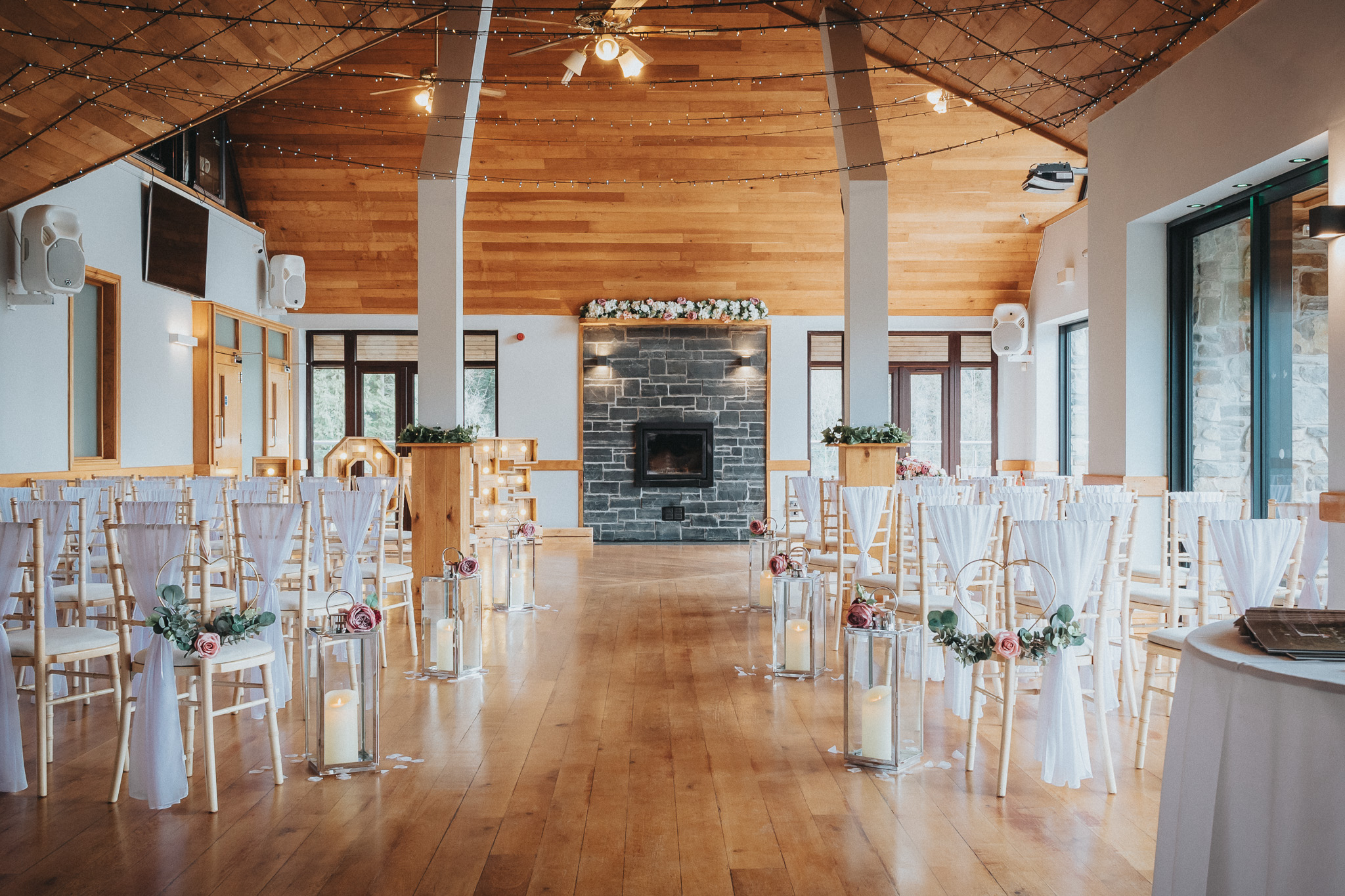
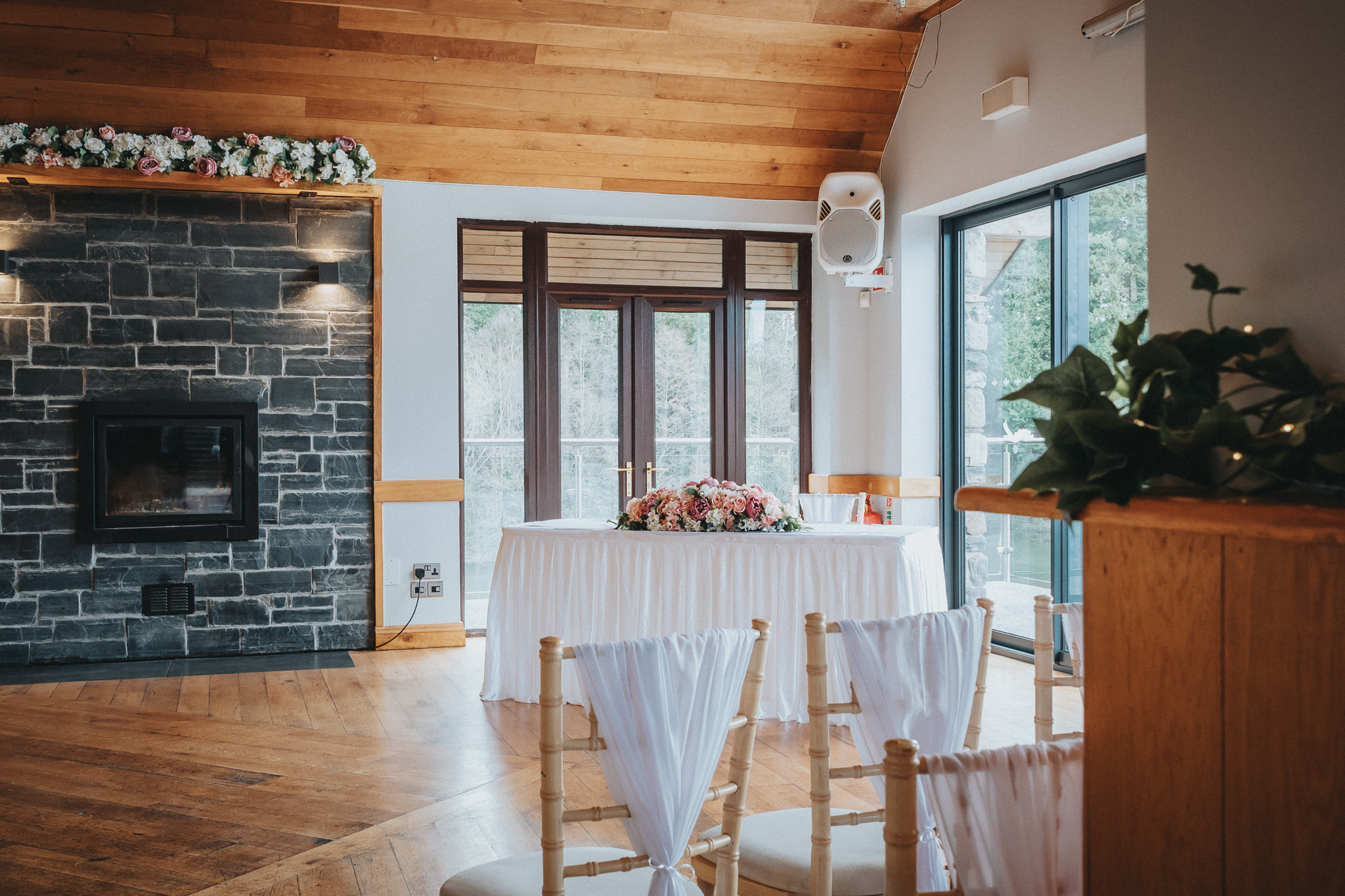
One of the many things I love about Canada Lodge & Lake is that they offer two stunning rooms for your wedding. The ceremony takes place in the very specious Oak Room overlooking the lake. The room itself is a stunning, romantic space for you to decorate and personalise as you’d like. The room has a rustic feel with crackling wood burning fires, which makes it perfectly suited for both intimate weddings and larger weddings with a capacity of up to 120 seated day guests or 180 evening guests.

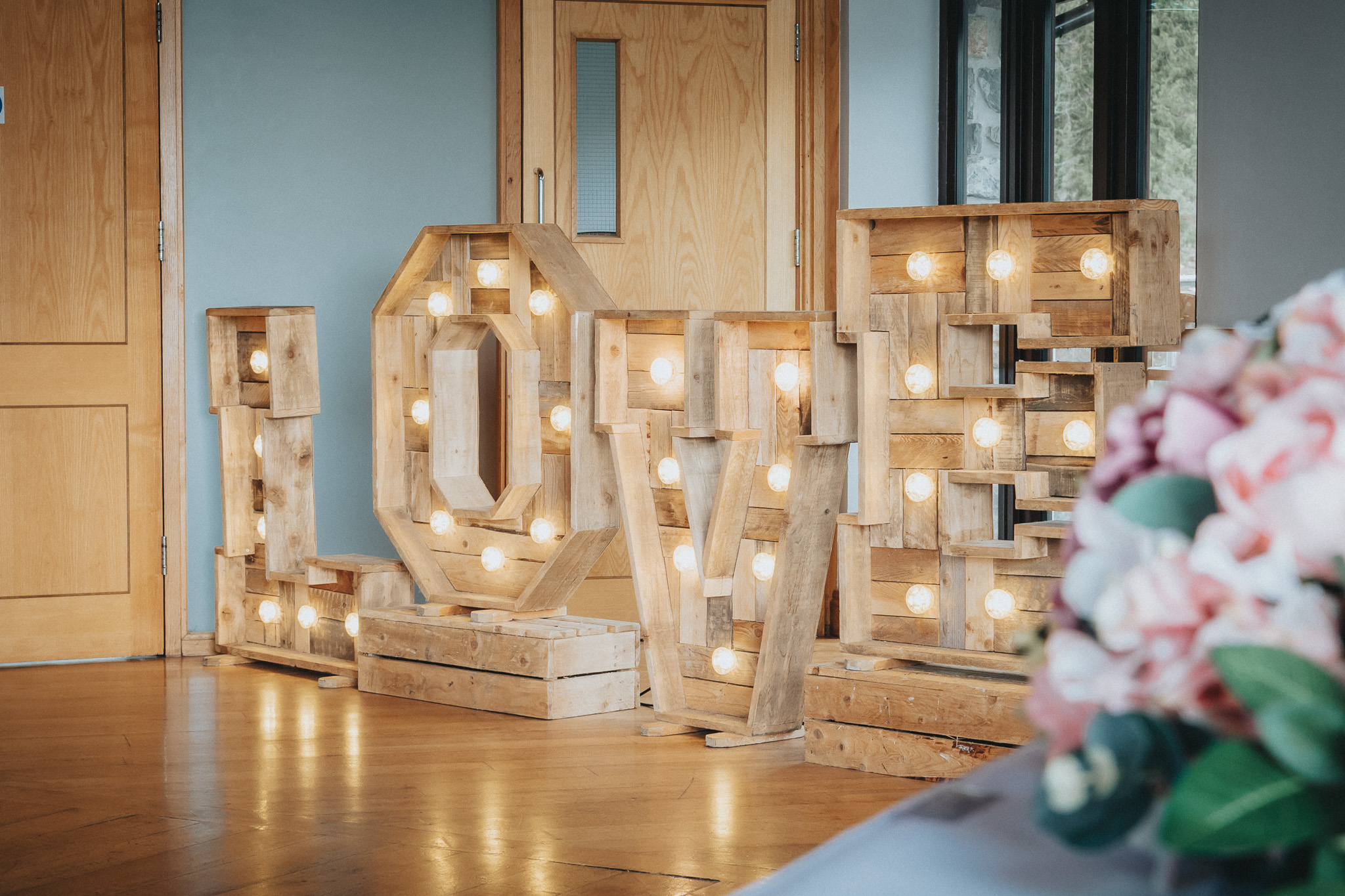
Written in Lights Promises Wedding Styling

Reception 

After the ceremony, enjoy a drink or two from the bar in The Oak Room with your guests. You can all have a wander out in the terrace or the lakeside patio. It’s the perfect time and space for me to capture some cute candid photos of you all living your absolute best lives.

You can also have a fun with entertainment chosen by you.

The Little Events Company

The Lakeside Room

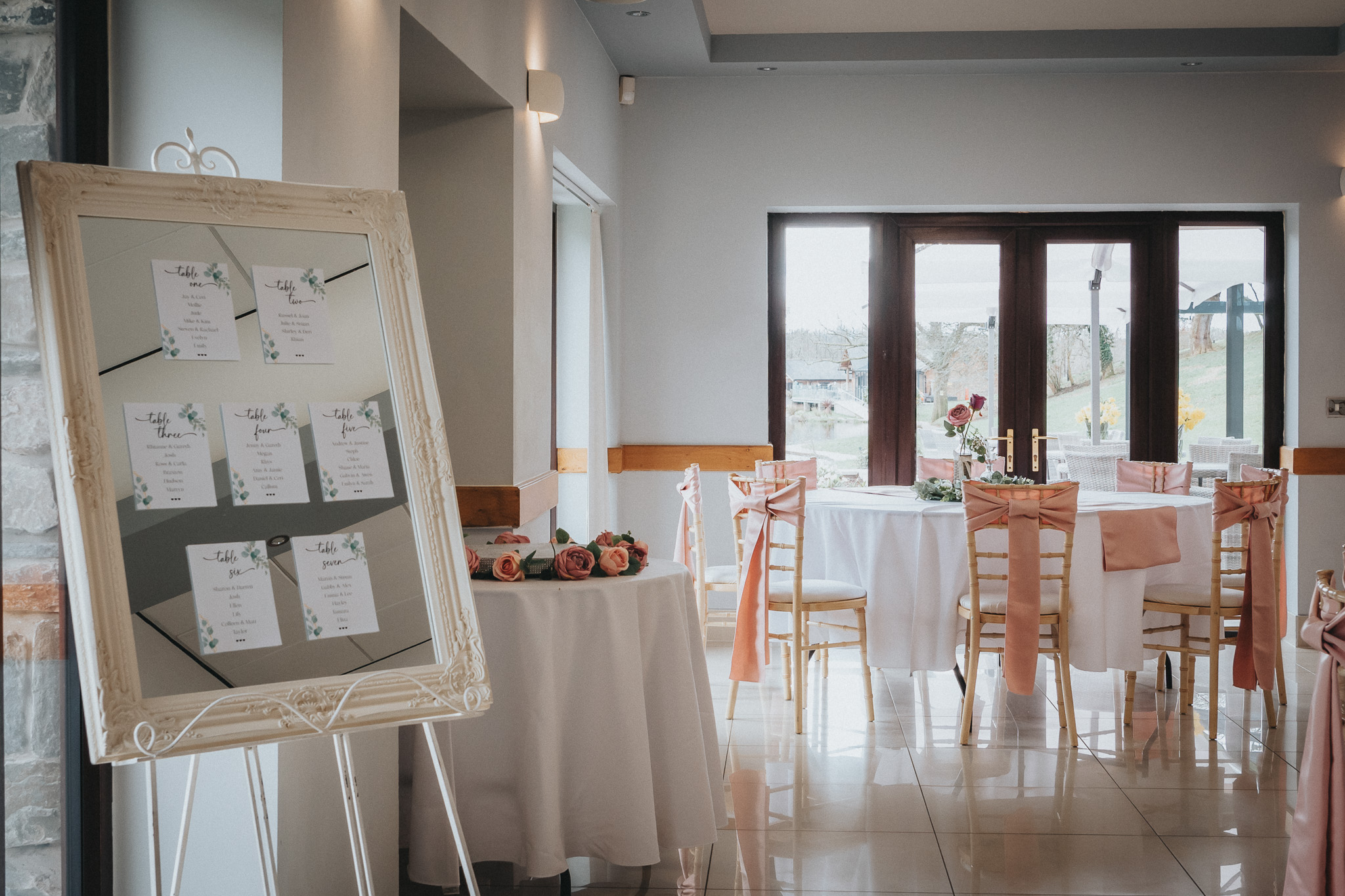
The wedding breakfast usually takes place downstairs in The Lakeside room, with access to the grounds and covered patio also overlooking the lake. Bring your bubbly from upstairs and get ready to laugh and cry through the speeches as I sneak around the room capturing all those timeless reactions.

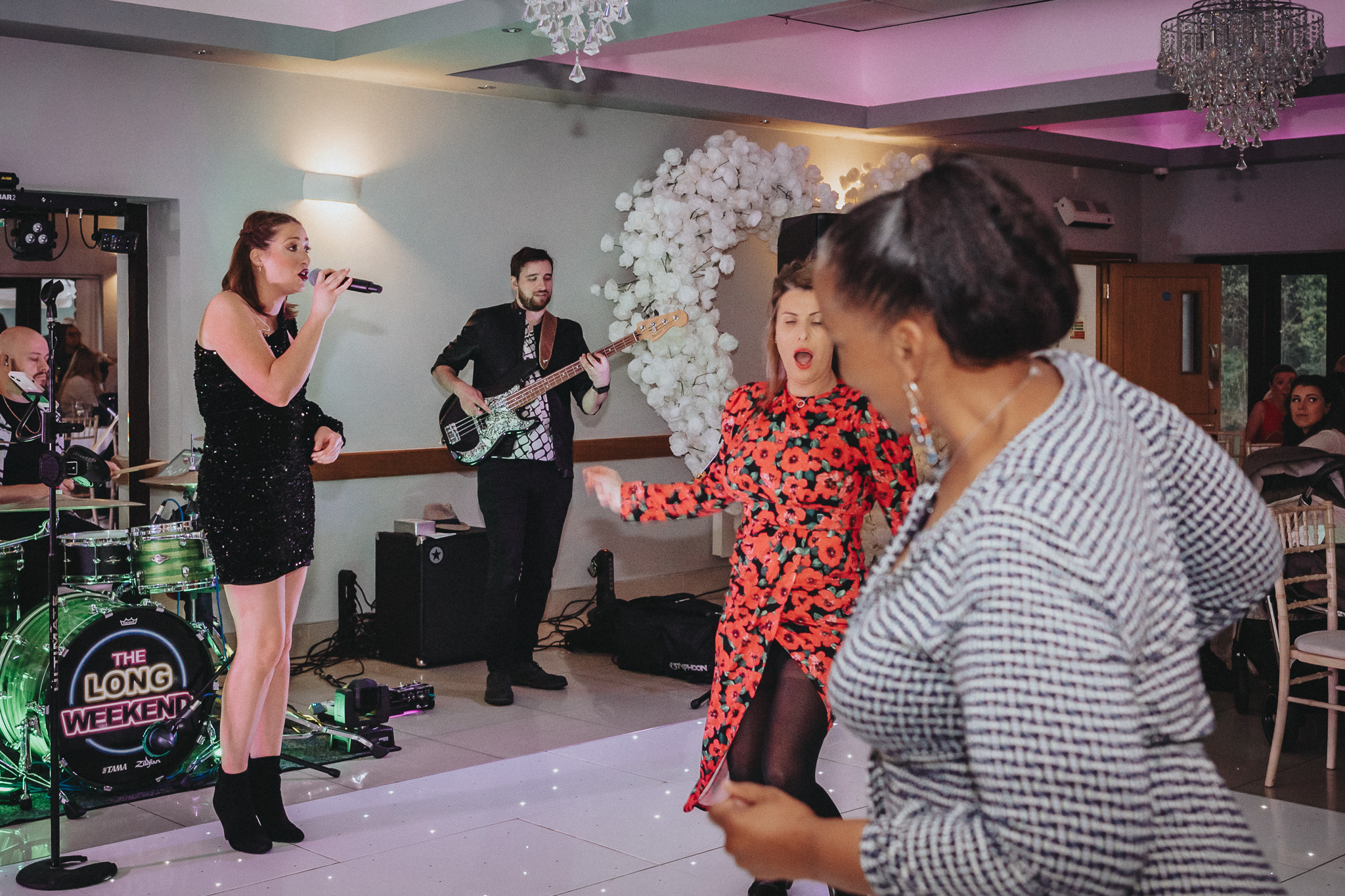
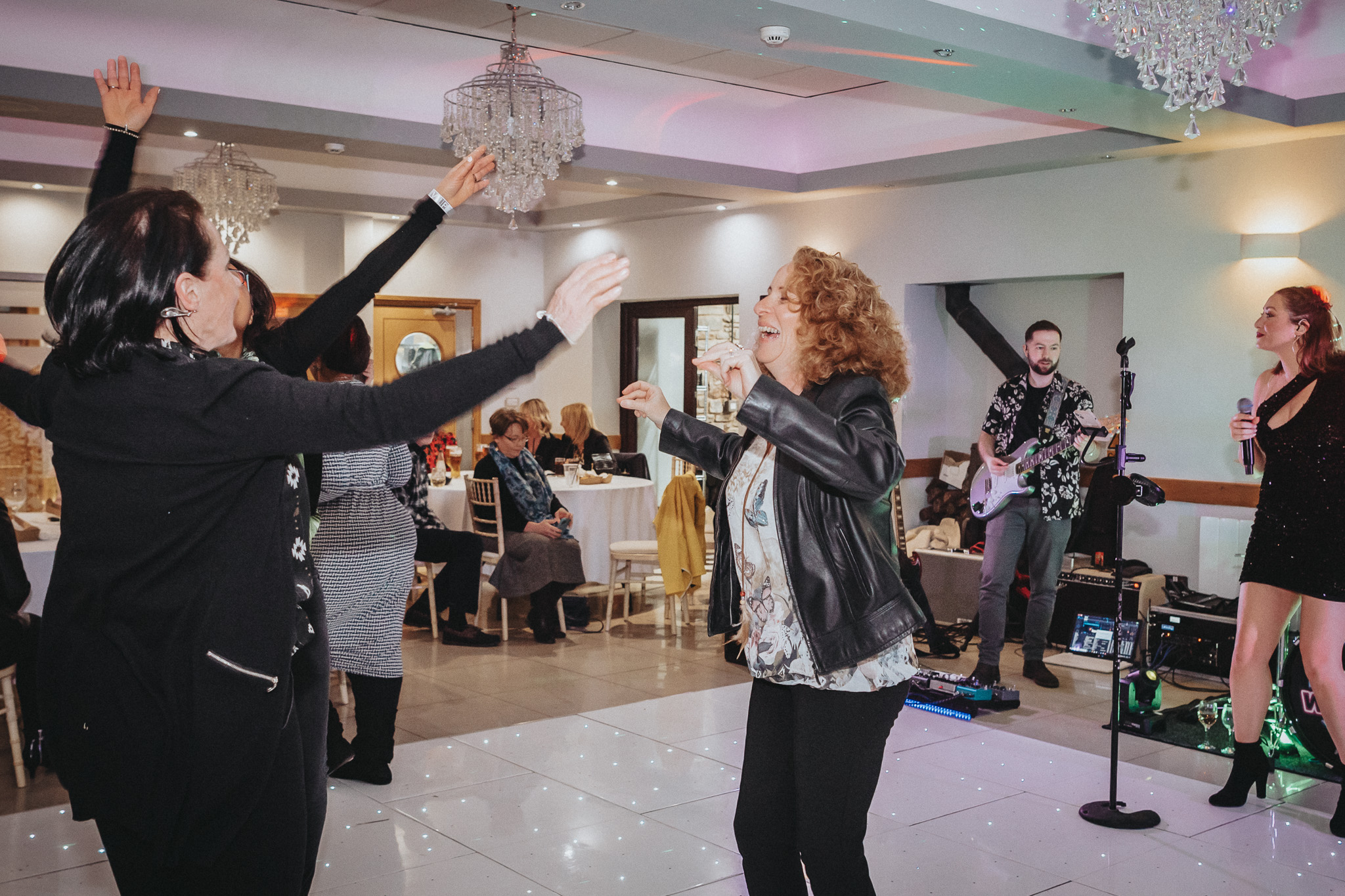
After dinner, the Lakeside Room is transforming into the dancefloor space for you to perform the first dance and show the crazy moves with all your friends and family. Do not forget to bring Convers as the night is going to be very long.

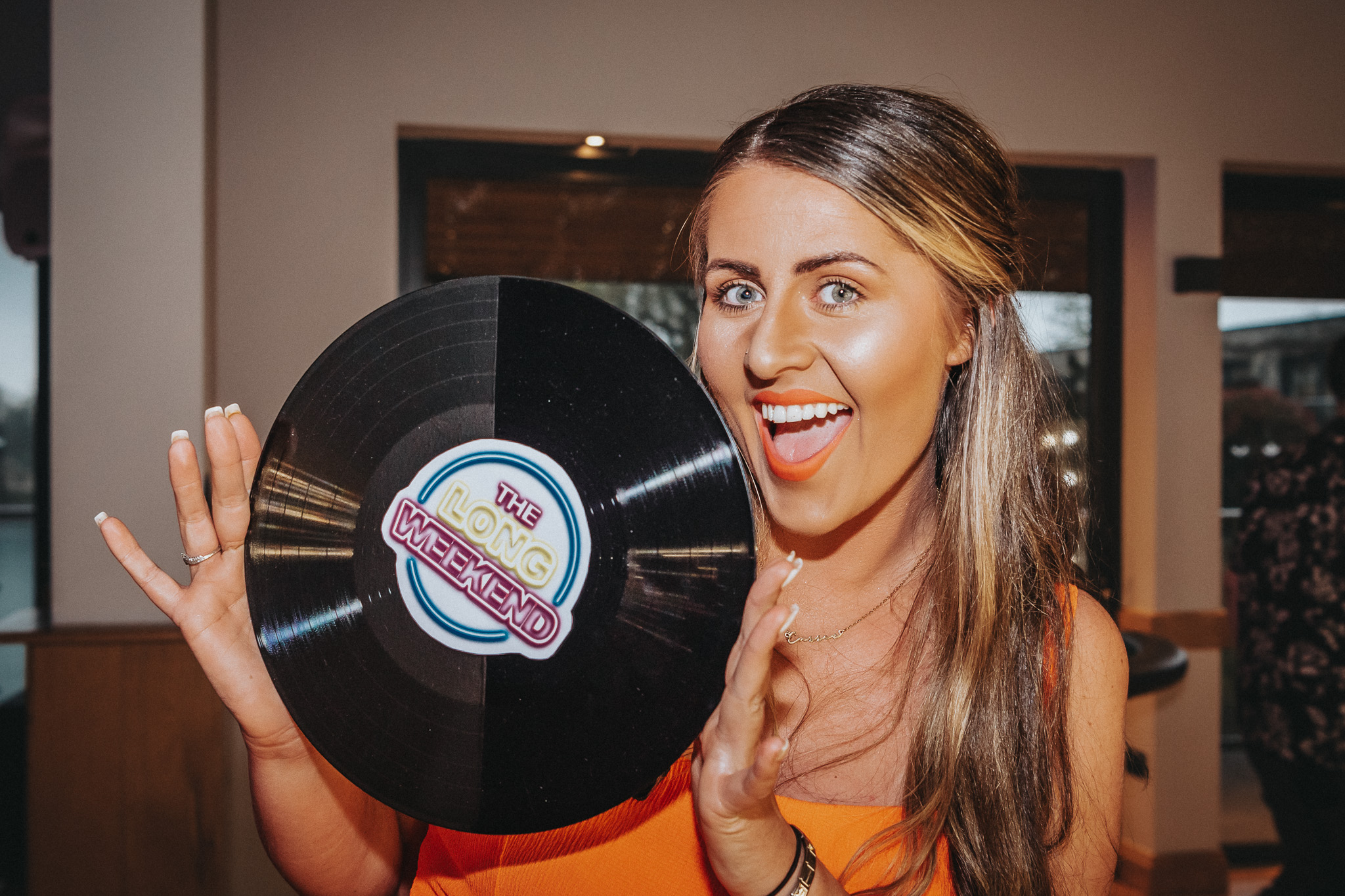
The Long Weekend Starlight Events South Wales

Not only does having these two rooms make your life easier on the day, but it also means I can jump between them to catch the most important moments of your celebration.

The Lakeside Patio

Ohhhhh … did I mention The Lakeside Patio! Do not let me start about this space!!!

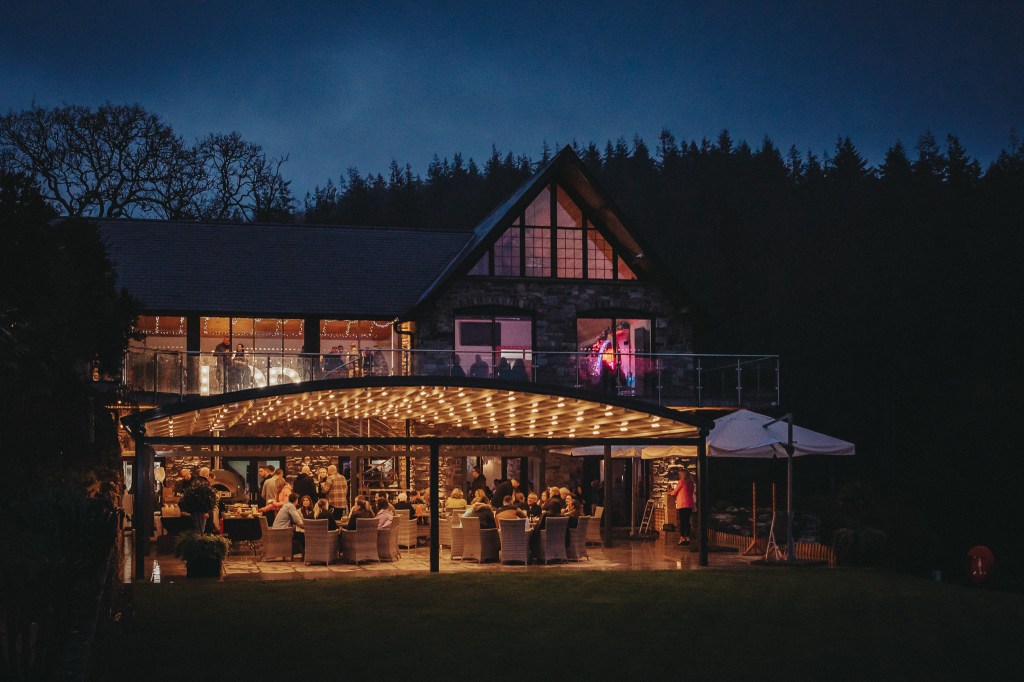
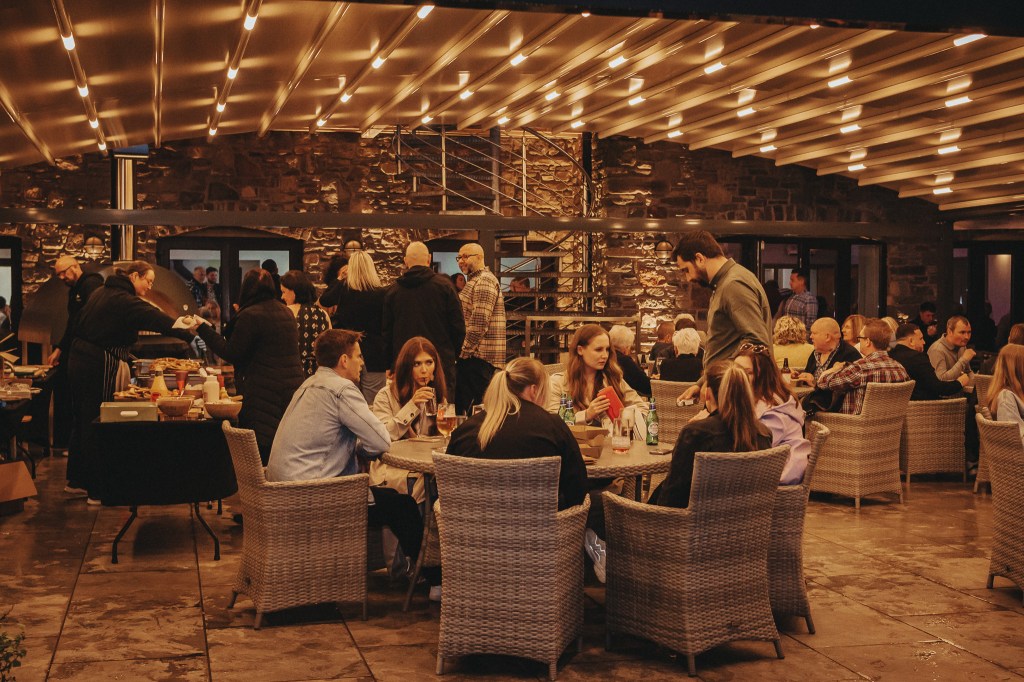
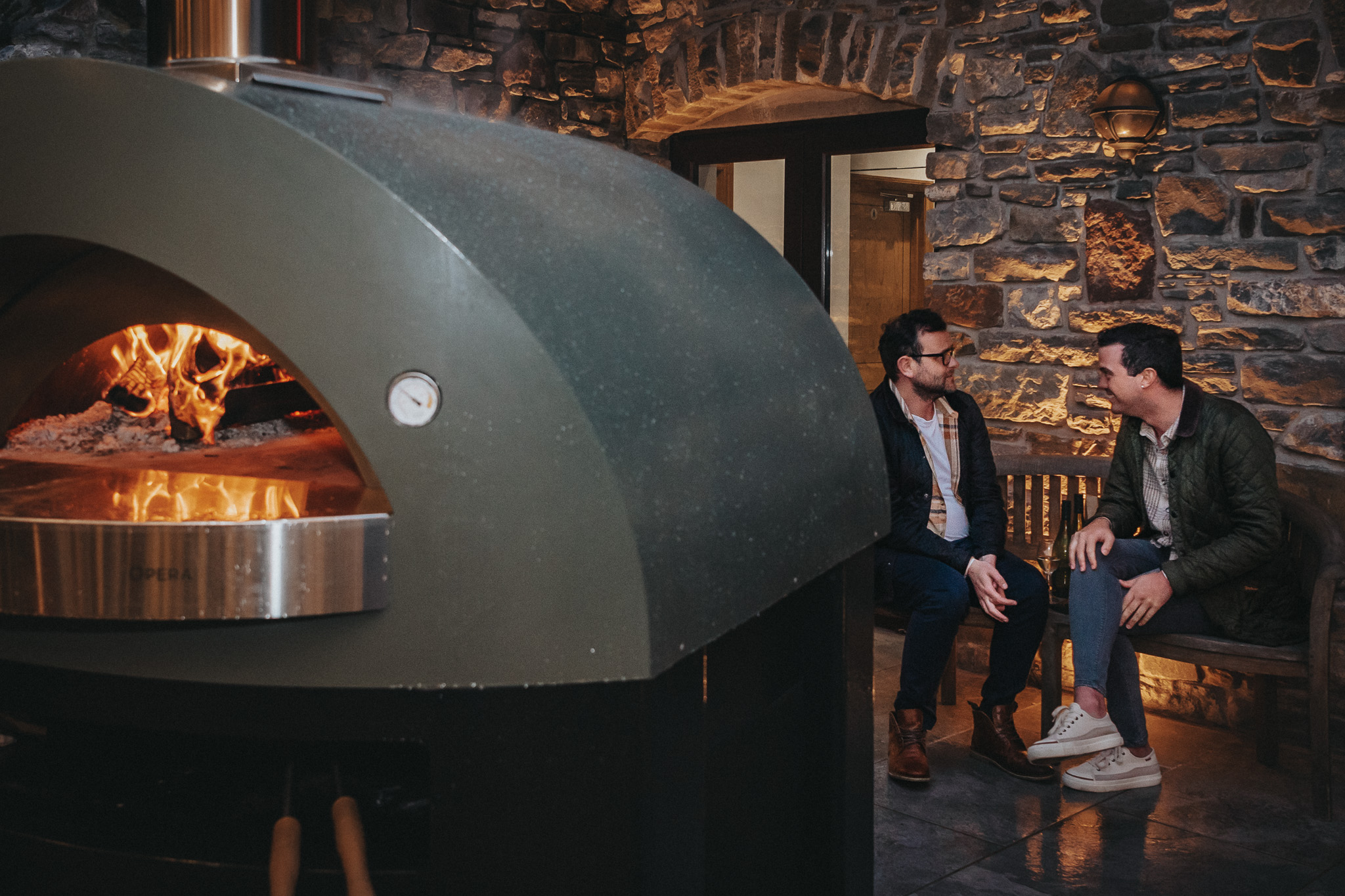
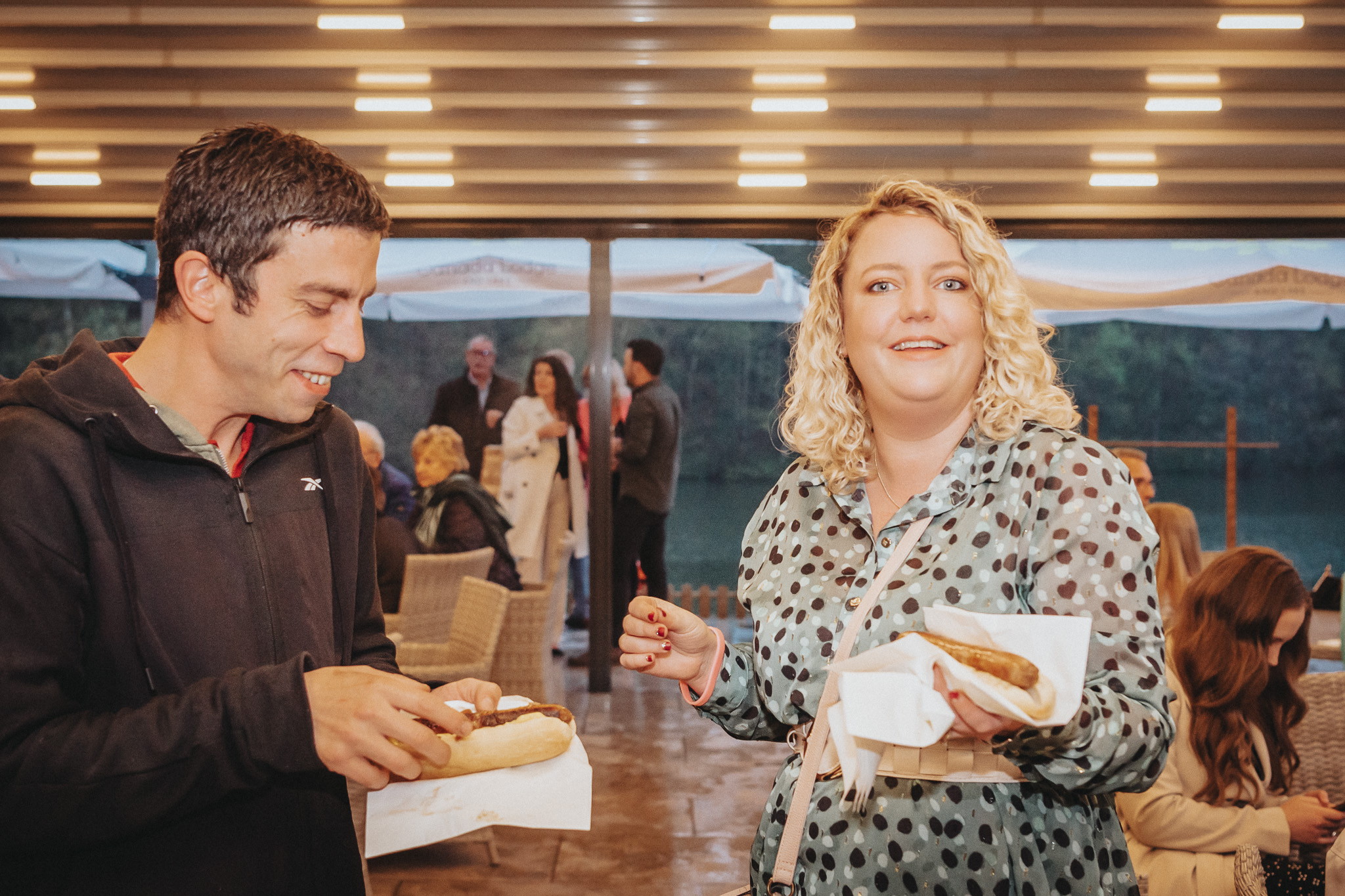
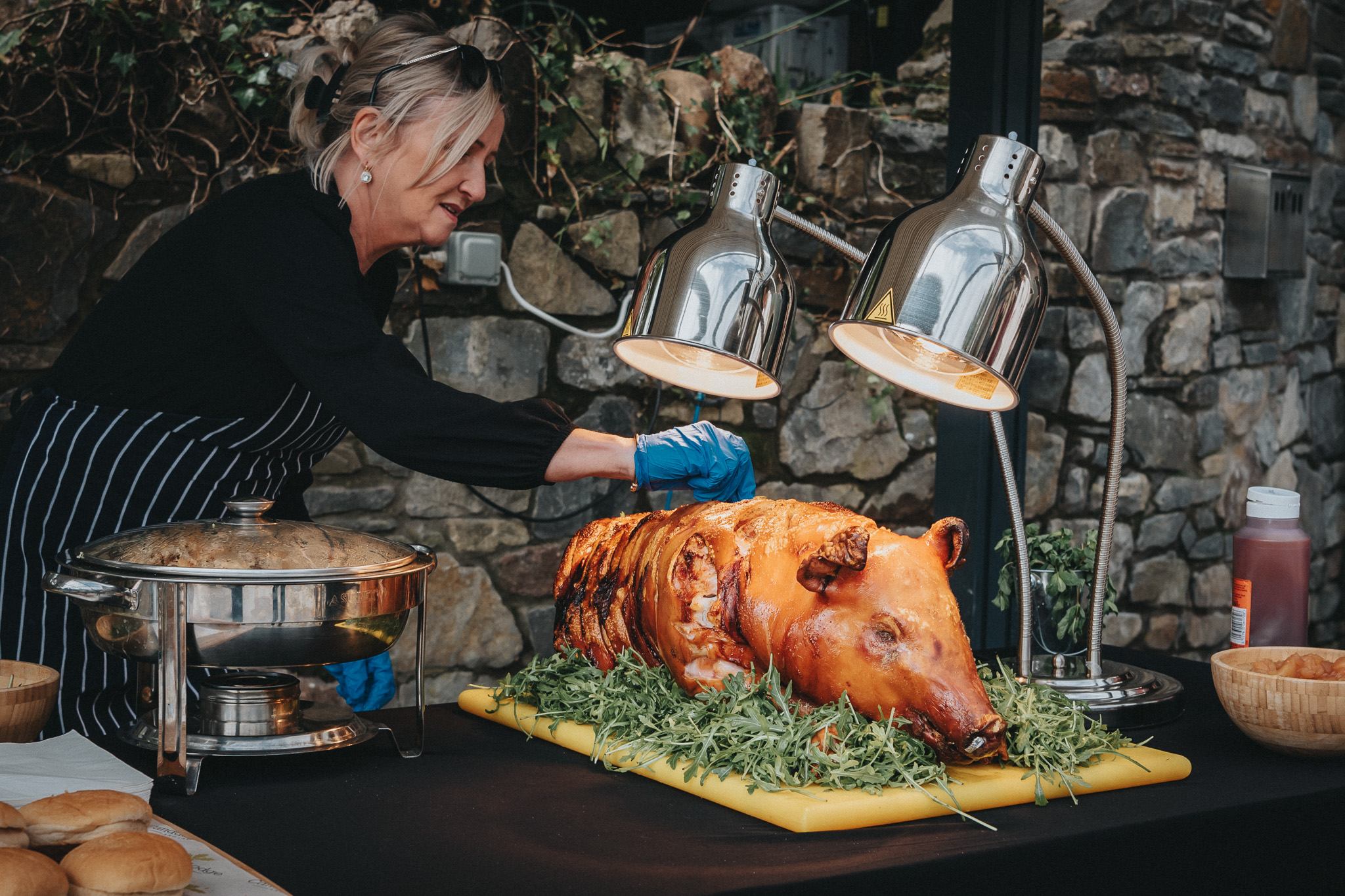
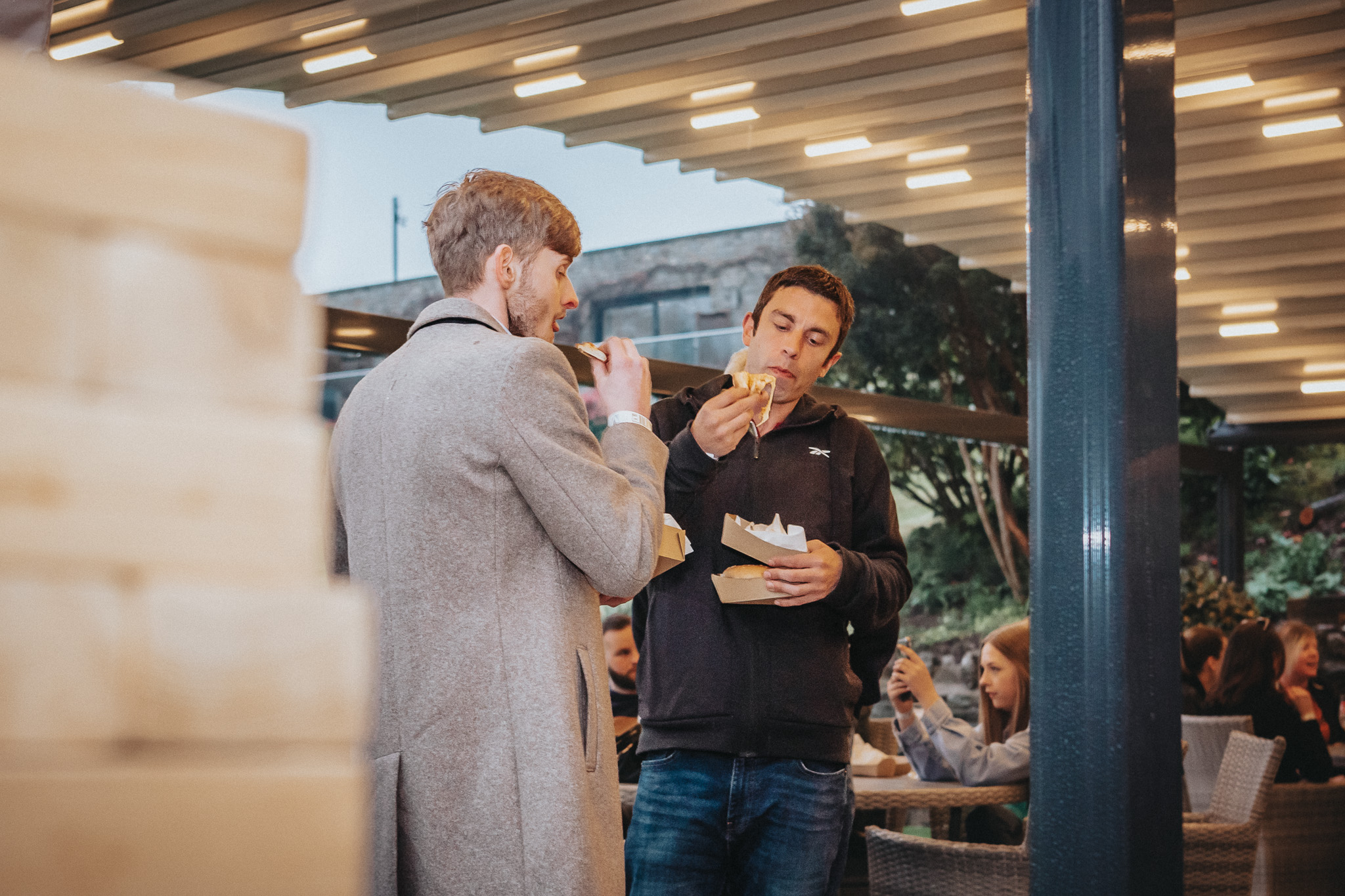
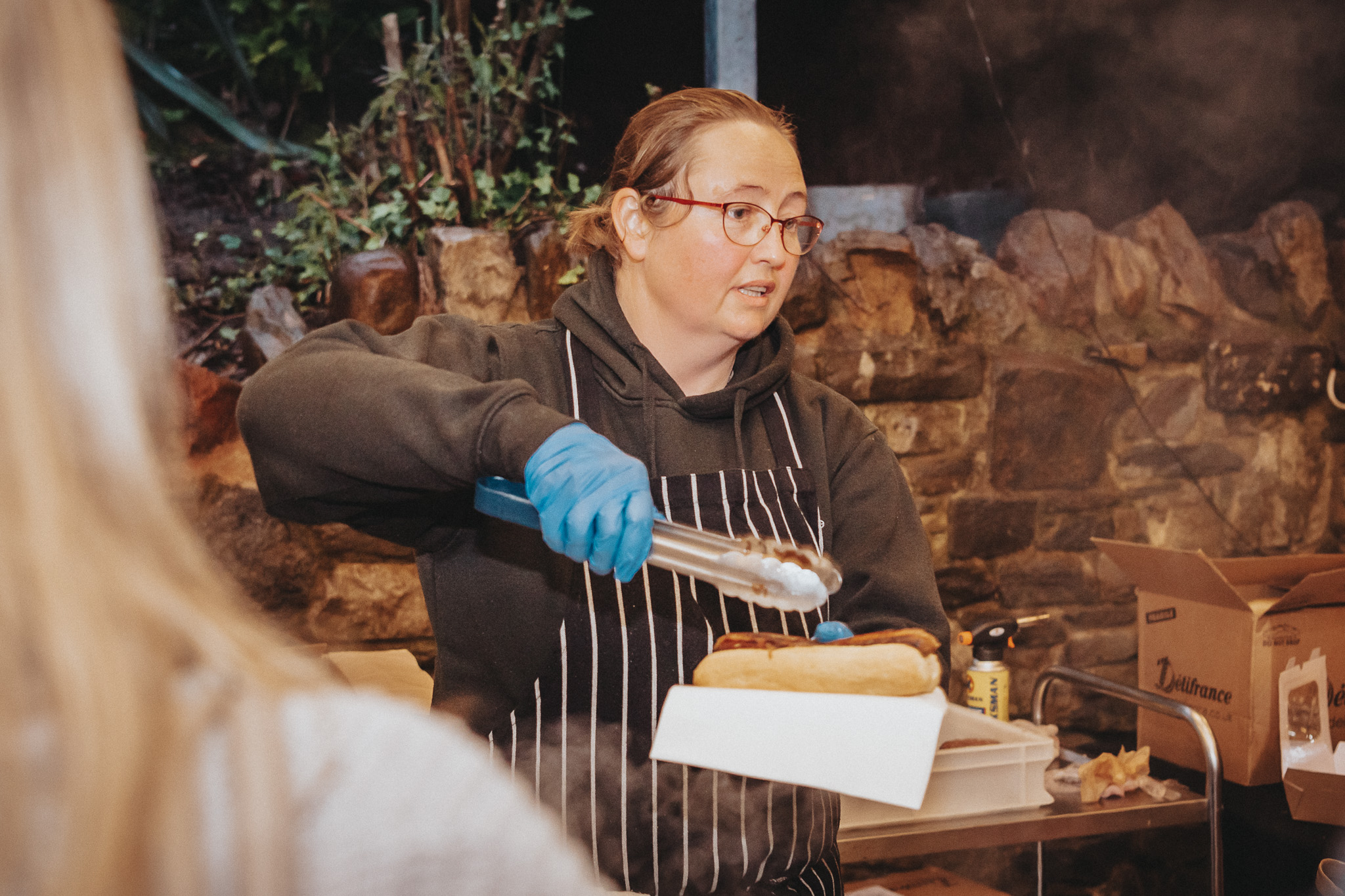
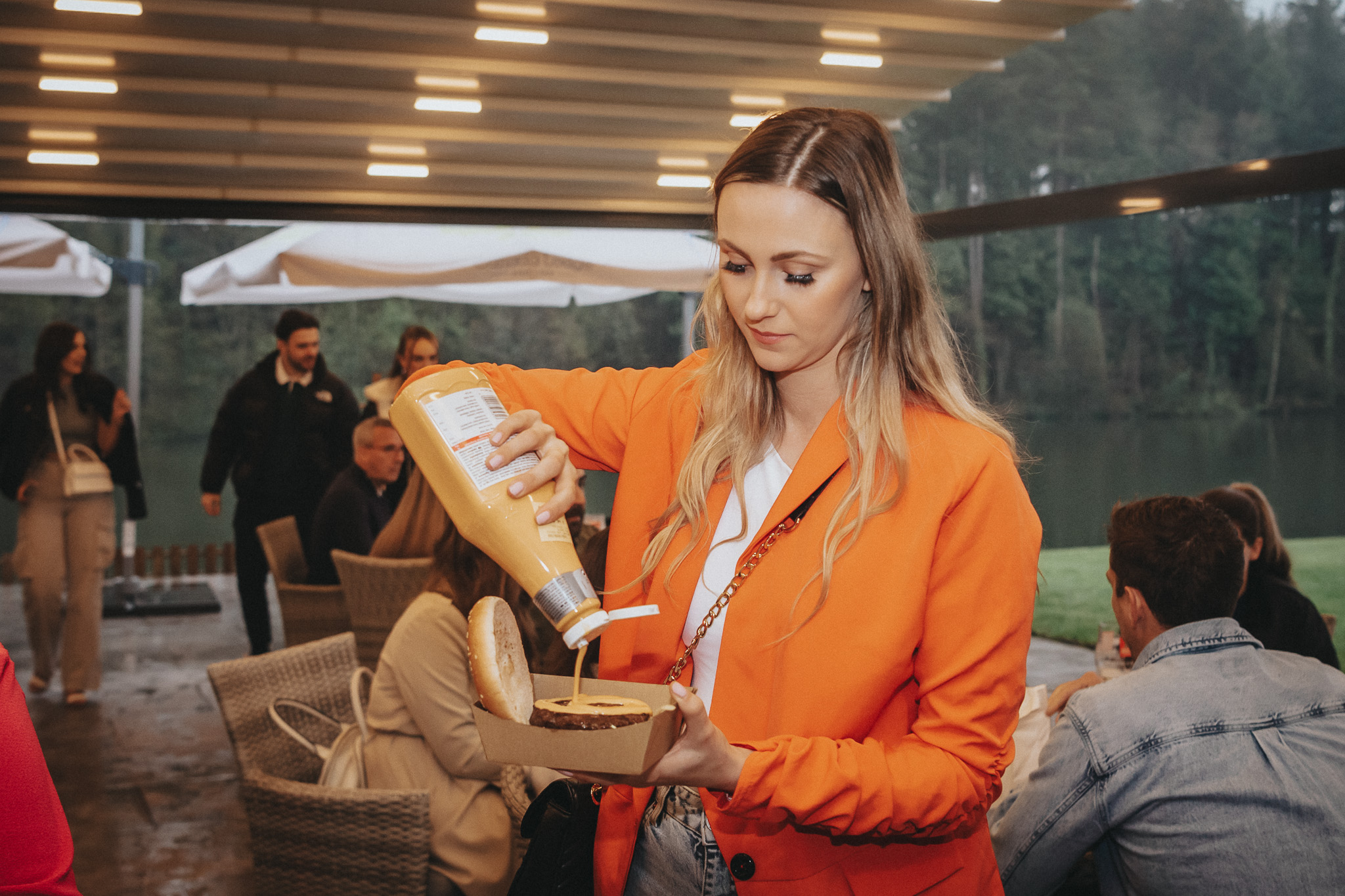
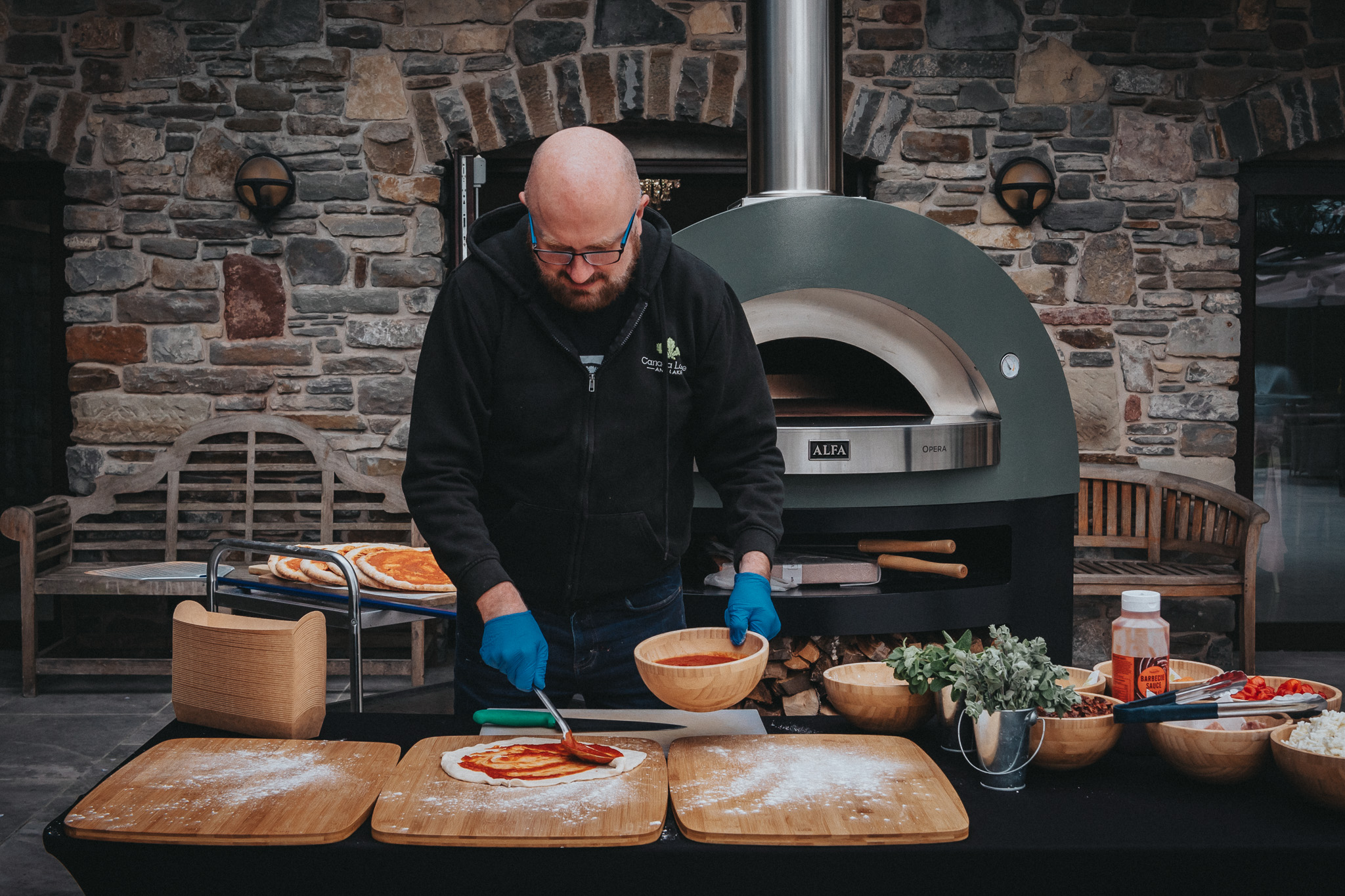
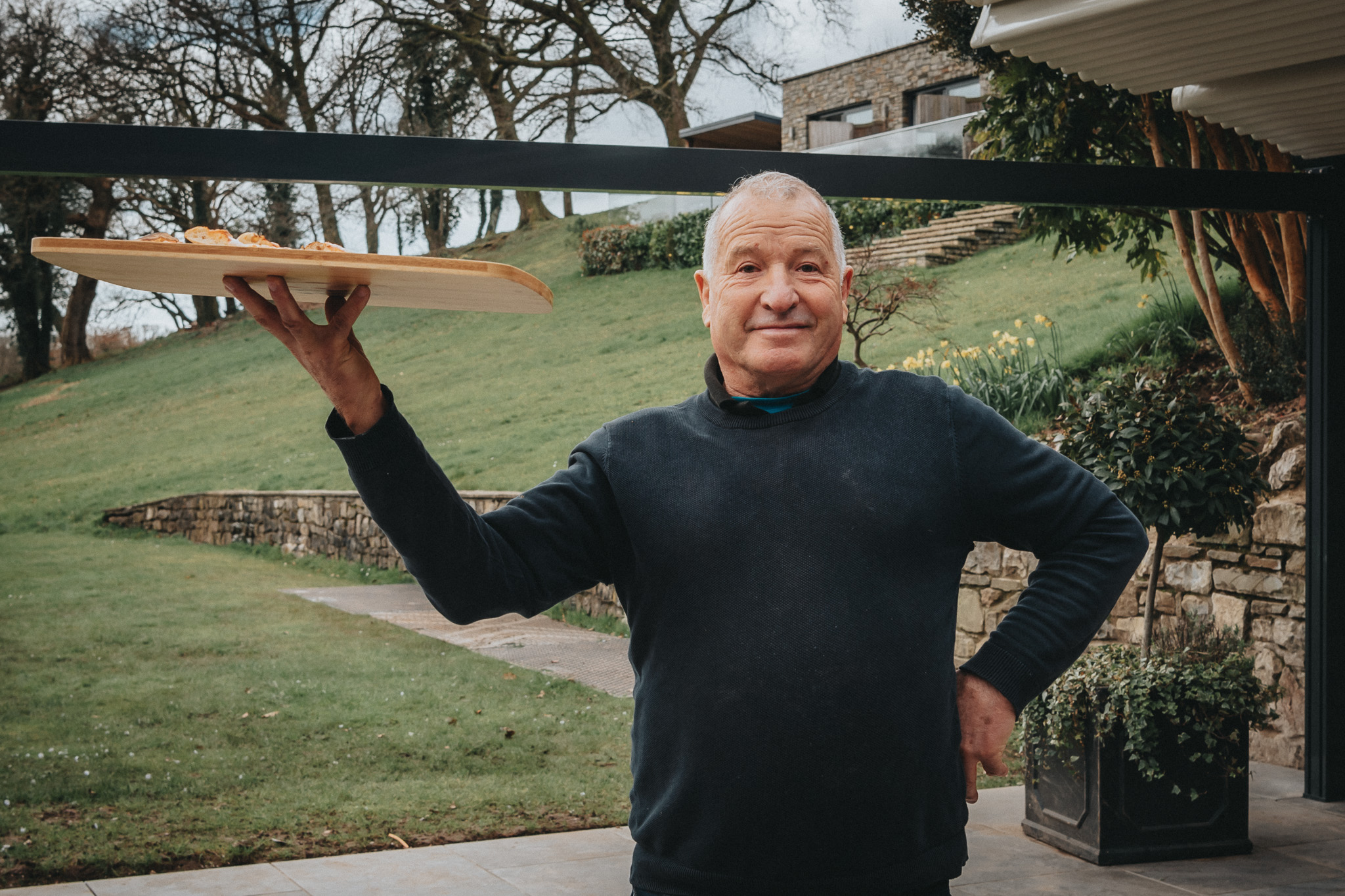
It is amazing you can walk out with your drink and relax for a moment or play games but still watching your party mates inside. And do not worry if the rain is pouring as there is nicely lighted canopy installed all over the patio area, which makes it perfect for any type of weather all year around. This also allows you to have your evening buffet be served over here. Their new wood-fire pizza oven, burgers hotdogs, hog roast and dessert station are perfect addition to your perfect wedding. Let’s try them all!!!

Conclusion

The one thing I can only add is enjoy your day, be silly, have fun make sure that the photos I will take during your wedding will make you smile!

Are you ready to have a chat? GET IN TOUCH